
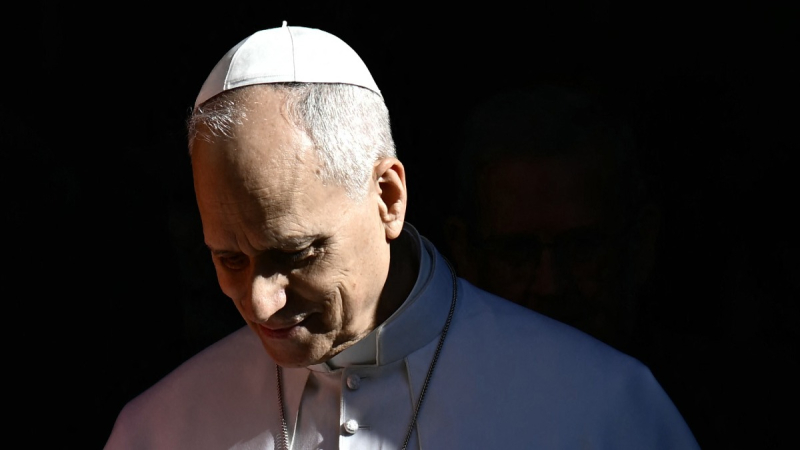
Pope Leo Briefed on Ongoing Review of Cádiz Bishop’s Conduct
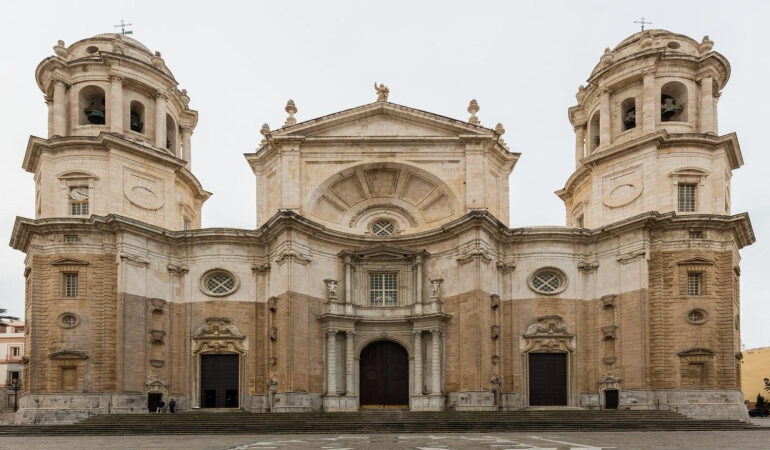

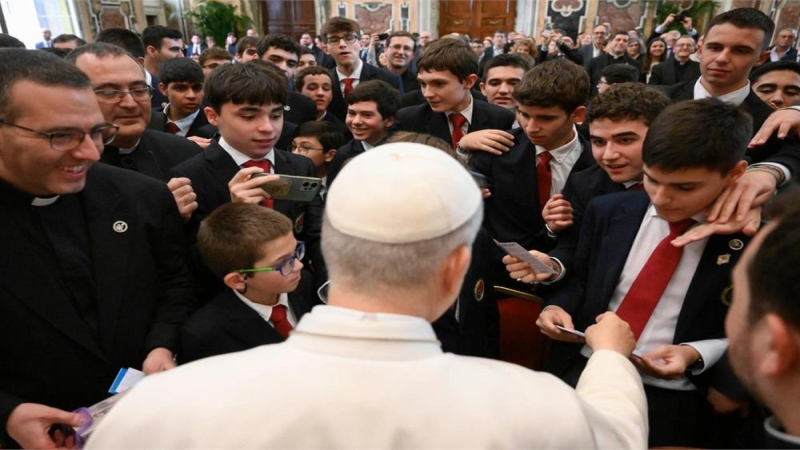
The Spanish Episcopal Conference has confirmed that Pope Leo has been fully updated on the ongoing canonical investigation concerning Bishop Rafael Zornoza of Cádiz and Ceuta, as Church authorities continue evaluating claims dating back to the 1990s. According to Archbishop Luis Argüello, who recently met the Holy Father in Rome with a delegation from the conference, the review remains active under Church law and is proceeding with attention to both the rights of the accuser and the presumption of innocence. The case involves allegations of misconduct during Bishop Zornoza’s time as a priest and seminary rector in the Diocese of Getafe, prompting a renewed examination of internal procedures and the broader role of episcopal accountability. While civil limitations mean no further action can be taken through state channels, the canonical process continues as part of the Church’s commitment to evaluating claims responsibly. Discussions in Rome also addressed the possibility that the bishop’s resignation may soon be formally accepted, a decision that rests solely with the Holy Father. These developments reflect ongoing efforts within the Church to strengthen credibility, transparency and pastoral leadership, especially as Spain navigates complex cultural and institutional shifts.
Alongside these updates, Archbishop Argüello highlighted encouraging developments in Spain’s ecclesial environment, suggesting that signs of renewed spiritual interest are emerging even within what he described as a “post secular” society. He reported a notable increase in seminarians over the past year and pointed to cultural expressions that indicate a broader resurgence of religious curiosity, particularly among younger generations. This includes recent artistic and academic contributions that place Christian imagery and themes back into public conversation, offering a countercurrent to assumptions of declining spirituality. These observations formed part of the archbishop’s broader reflections at the opening of the conference’s plenary assembly, where bishops are examining questions of pastoral orientation, social engagement and public witness at a time of shifting societal attitudes. By presenting these signs of renewal to Pope Leo, the conference sought to underscore the complexity of Spain’s religious landscape, where challenges coexist with emerging opportunities for evangelization and dialogue.
The archbishop also addressed national debates surrounding protections for unborn life, emphasizing concerns raised by proposed reforms to expand constitutional guarantees for abortion and disputes over conscientious objection in medical settings. Citing national statistics showing declines in natural population growth, he argued that legal and cultural inconsistencies risk undermining the dignity of vulnerable persons. His remarks also underscored the Church’s responsibility to approach these matters with both firmness and compassion, recognizing that genuine support must include attention to the social and economic factors shaping family decisions. The Spanish bishops have introduced a broader initiative aimed at encouraging a societal commitment to strengthening birth rates and supporting family life, presenting this as part of a comprehensive “alliance for hope.” As these discussions continue, the Church’s leadership remains focused on articulating a vision that integrates ethical convictions with sustained pastoral care, positioning its voice within a larger national conversation on life, responsibility and the future of Spain’s demographic and cultural fabric.