Pope Leo Calls for De-escalation as Iran Conflict Deepens Global Concerns
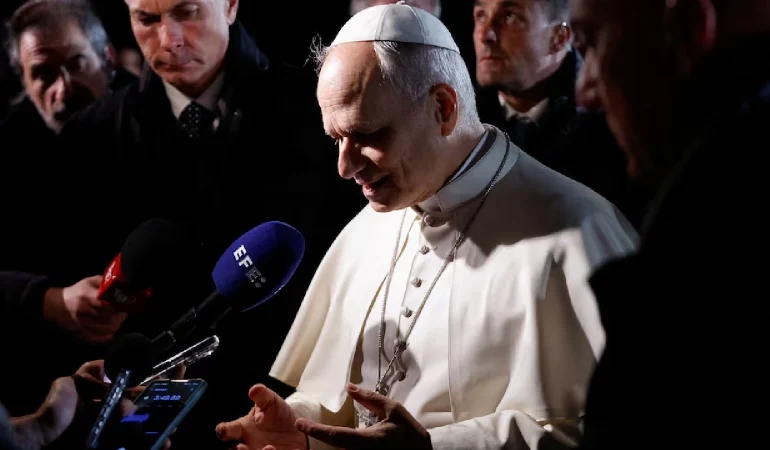

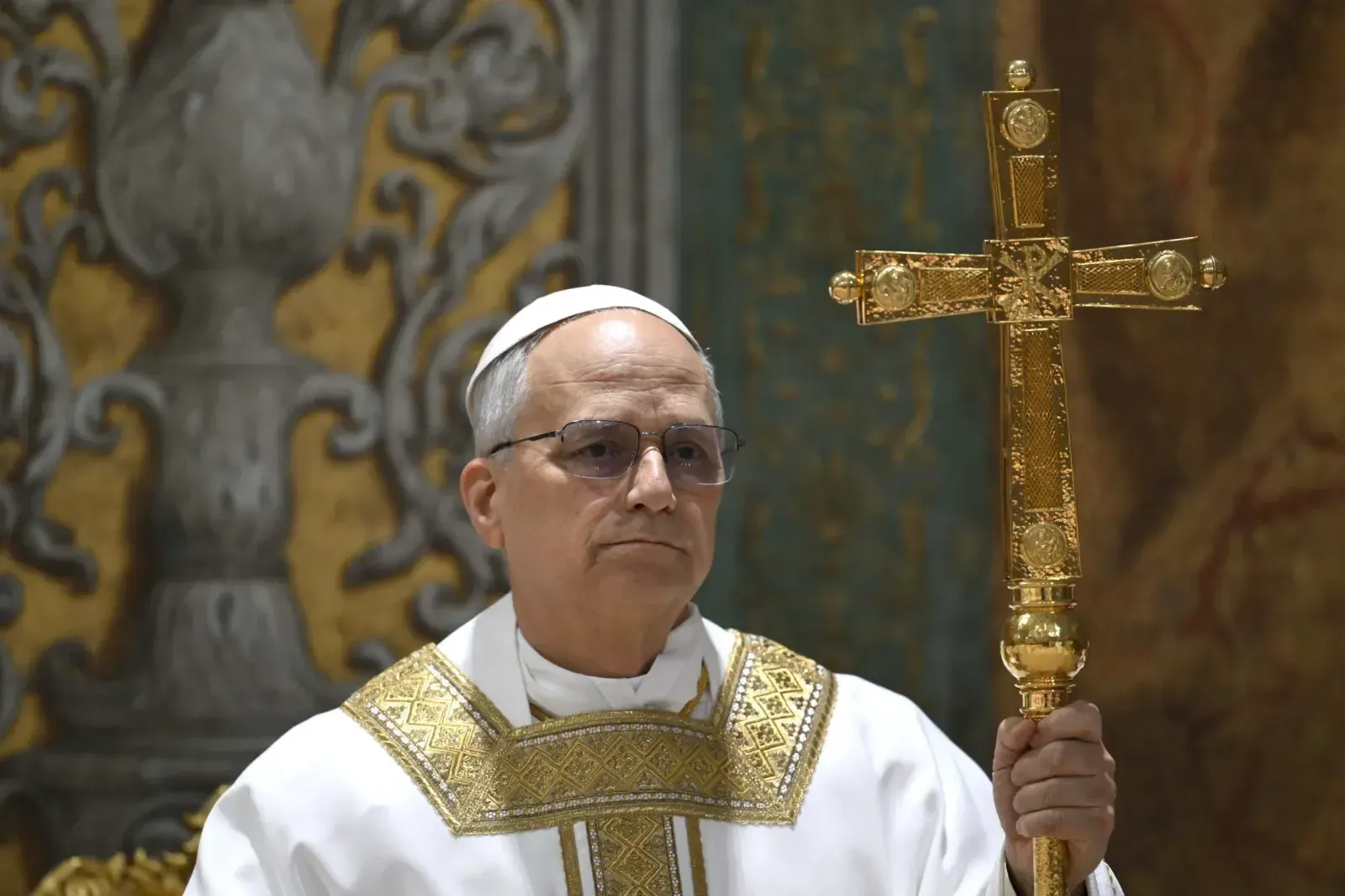
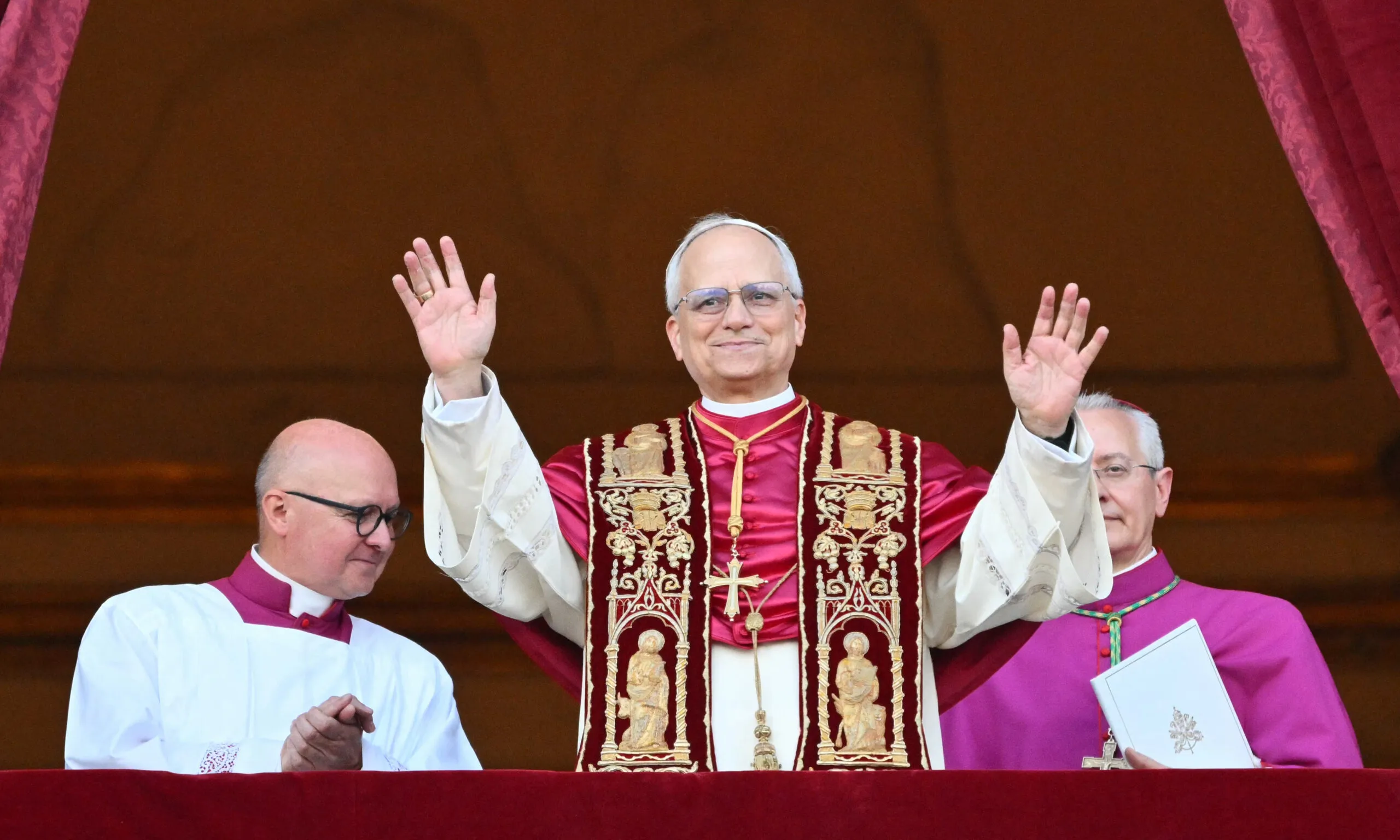
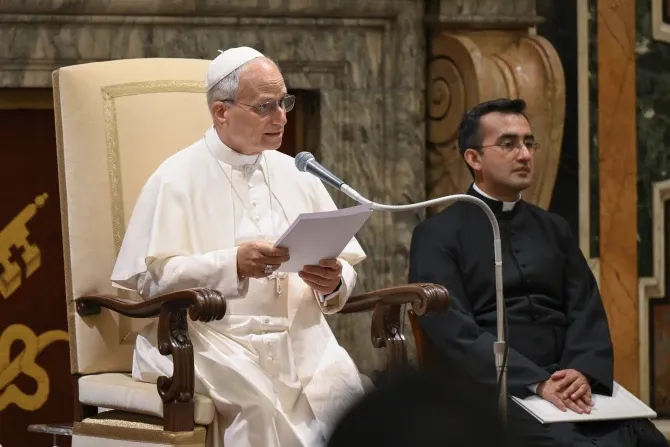
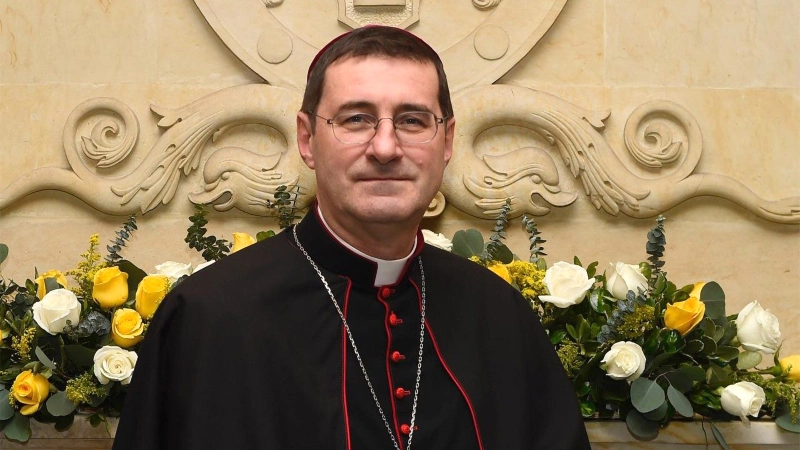
Pope Leo has made a rare and direct appeal to United States President Donald Trump, urging him to seek a path to de-escalate the ongoing Iran conflict as tensions continue to rise across the region. Speaking to journalists outside his residence in Castel Gandolfo, the pontiff expressed cautious hope that political leadership would prioritize ending the violence. He indicated that recent signals from Washington suggested a willingness to bring the conflict to a close, adding that such intentions must now translate into meaningful diplomatic action to reduce suffering and prevent further escalation.
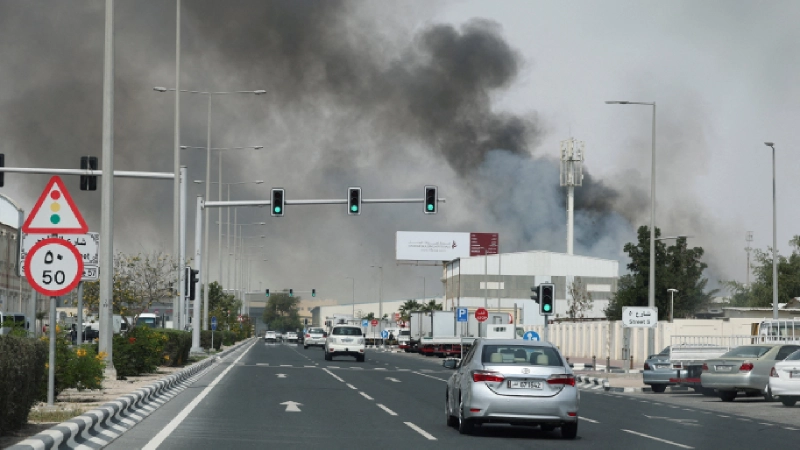
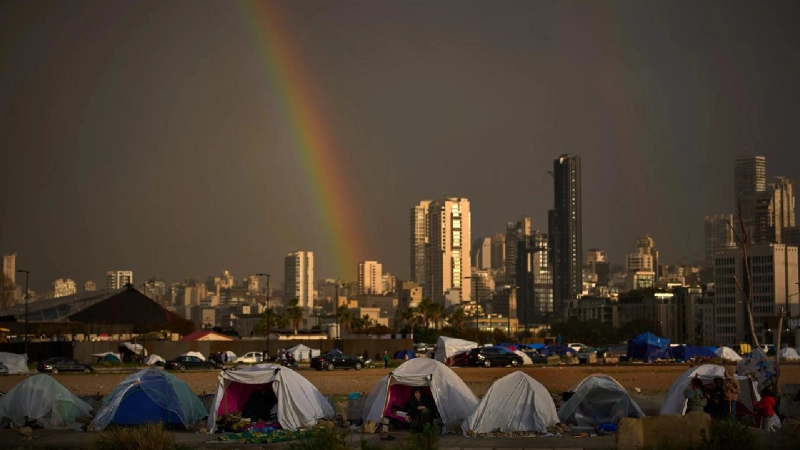
The pope’s remarks come at a time when the conflict, which began in late February following coordinated strikes involving the United States and Israel, has expanded beyond initial expectations. The situation has already resulted in significant casualties and widespread disruption across energy markets and regional infrastructure. Pope Leo emphasized the urgent humanitarian toll, pointing to the rising number of civilian deaths, including children. He underscored the moral responsibility of global leaders to act decisively, stressing that continued violence risks deepening instability not only in the Middle East but also across the global economy.
In recent days, Pope Leo has intensified his public messaging around the ethical dimensions of war, marking a noticeable shift in tone compared to his typically measured diplomatic approach. He has openly questioned the legitimacy of conflicts driven by power and strategy, stating that spiritual accountability cannot be separated from political decisions. The pontiff suggested that faith cannot coexist with actions that perpetuate destruction, reinforcing a long-standing Vatican position that prioritizes peace, dialogue and the protection of human dignity over geopolitical interests.
Addressing reporters, Pope Leo stated that he hopes efforts to end the conflict can gain momentum before the upcoming Easter period, a time traditionally associated with renewal and reconciliation within the Christian calendar. He highlighted the growing divide between those advocating for continued military engagement and those calling for restraint. According to the pope, the presence of voices promoting conflict remains a significant obstacle to peace, making it even more critical for influential leaders to demonstrate restraint and pursue diplomatic alternatives.
The Vatican has historically played a role in promoting peace during international crises, often acting as a moral authority rather than a direct political actor. Pope Leo’s intervention reflects this tradition while also signaling a more assertive stance in response to escalating global tensions. His comments align with broader concerns within the international community, where policymakers and analysts are increasingly warning that prolonged instability could disrupt global trade routes, fuel inflation and weaken already fragile economic conditions.
As the situation continues to evolve, global attention remains focused on whether diplomatic efforts can gain traction or whether the conflict will expand further. The pope’s appeal adds to mounting international pressure on key decision makers to reconsider their strategies and prioritize de-escalation. With humanitarian concerns intensifying and geopolitical risks rising, the coming days are likely to be critical in determining whether the conflict moves toward resolution or deeper confrontation.