
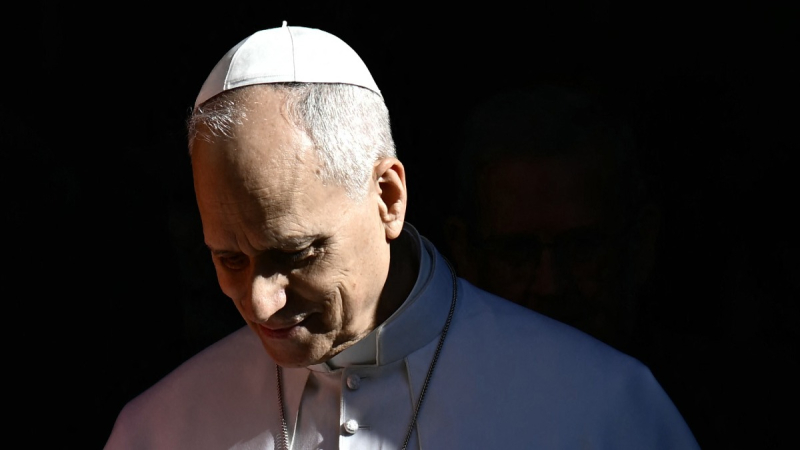
Pope Leo Calls for Immediate Halt to Border Violence in Southeast Asia
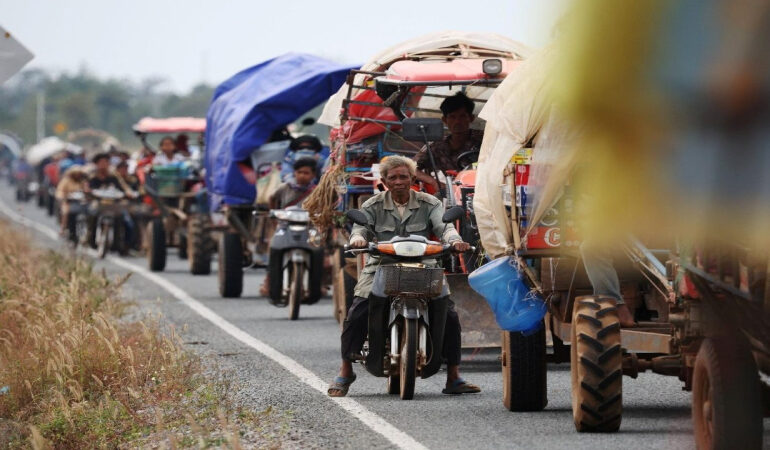

Pope Leo’s appeal for peace following renewed clashes along the Thai Cambodian border has placed global attention on a region where unresolved territorial disputes continue to endanger civilians and strain diplomatic ties. Speaking during his General Audience, he expressed sorrow over reports of casualties and displacement, emphasizing the human cost that accompanies each resurgence of violence. His remarks reflected concern not only for those directly affected but also for the broader instability created when fragile ceasefires collapse. The dispute, rooted in contested areas surrounding culturally significant temple sites, has resurfaced multiple times over recent decades, and each episode brings heightened vulnerability for communities living near the frontier. As thousands flee their homes to seek safety, the situation underscores how quickly local skirmishes can evolve into humanitarian emergencies, prompting renewed calls for structured dialogue rooted in mutual respect and regional responsibility. Pope Leo emphasized closeness in prayer to the people of both nations, urging that the suffering of families be recognized as a shared moral burden requiring collective action.
The Pope’s words resonated with ongoing concerns within international organizations monitoring border tensions in Southeast Asia, many of which have warned that intermittent clashes complicate long-term development and undermine confidence between neighboring states. His call for an immediate ceasefire aligns with previous Vatican positions encouraging nonviolent resolution as an essential component of regional stability. While the Holy See holds no direct role in territorial adjudication, its interventions often highlight the human dimension neglected in the technicalities of border negotiations. The appeal for renewed dialogue reflects a belief that sustainable peace depends on commitment from both sides to prioritize civilian protection and reestablish communication channels capable of supporting diplomatic progress. The involvement of religious leadership often offers a stabilizing moral perspective that can influence public consciousness even in regions where Catholicism is not the dominant faith. Pope Leo’s message acknowledged this reality, presenting peace as a universal obligation rather than a geopolitical strategy, encouraging leaders to consider the long-term consequences that continued escalation may impose on already fragile border communities.
Images emerging from affected provinces, including children navigating improvised shelters and bunkers, underscore the tangible disruption caused by the fighting. Such scenes highlight the particular vulnerability of younger populations whose daily routines are shaped by uncertainty rather than safety. The Pope’s remarks pointed to the cyclical nature of the conflict and the need for diplomatic engagement that avoids temporary fixes and instead seeks durable pathways to cooperation. His appeal contributes to a growing chorus of international voices urging restraint at a time when patterns of regional tension remain complex and influenced by historical grievances. By focusing attention on the people displaced and the instability that renewed violence introduces, the Vatican reinforces its broader commitment to justice, human dignity and the protection of communities facing the consequences of political impasses. The situation remains fluid, yet the Pope’s message invites renewed reflection on how regional actors might pursue lasting de-escalation grounded in responsibility, compassion and shared accountability.