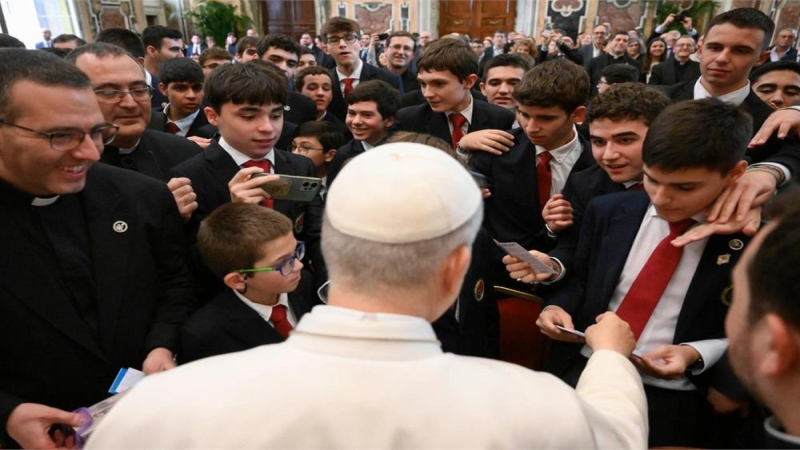
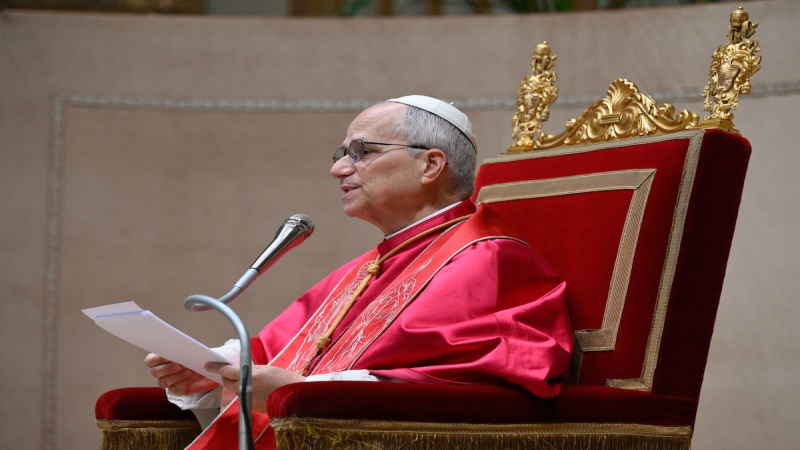

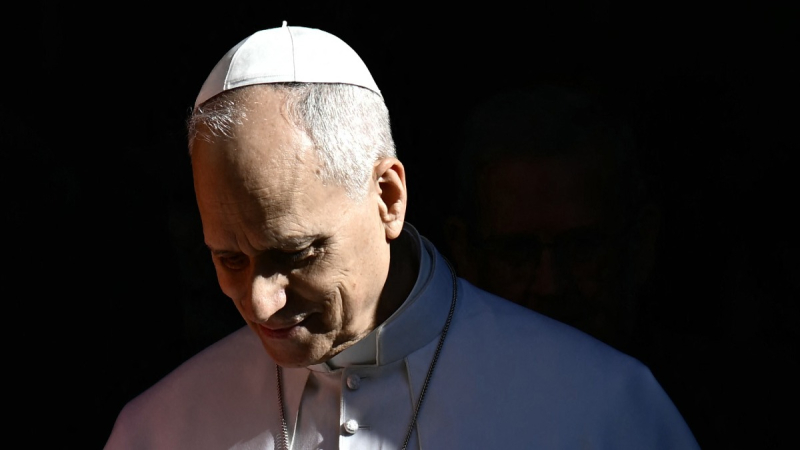
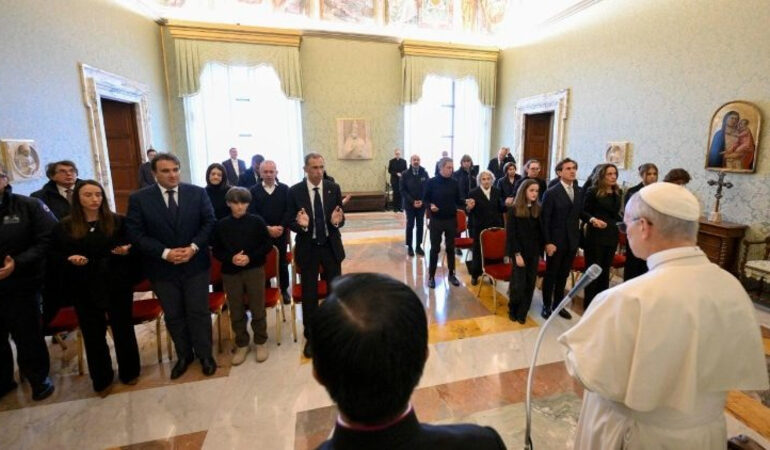

Pope Leo XIV welcomed relatives of those killed or injured in the New Year’s Day fire in the Swiss resort town of Crans Montana, offering words shaped by presence rather than explanation. Meeting the families at the Vatican, the Pope acknowledged the shock of a tragedy that unfolded during a moment meant for celebration and renewal, and spoke of the limits of language when confronted with sudden loss. He reflected on how faith is tested when life is broken by violence and uncertainty, noting that grief often brings questions no human answer can satisfy. Rather than attempting to resolve those questions, he emphasized the nearness of Christ to those who suffer, describing a God who does not observe pain from a distance but enters into it. The encounter was marked by stillness and prayer, underscoring a pastoral approach that centers accompaniment over answers, and attention to the human cost behind headlines and statistics.
The Pope returned repeatedly to the image of Christ on the Cross as a point of recognition for those facing loss, speaking of abandonment, silence, and waiting as shared experiences within Christian faith. He reminded those present that even the cry of Christ was met not with immediate resolution but with a passage through suffering toward resurrection. This framework, he suggested, does not erase pain or offer simple meaning, but affirms that hope is not empty even when circumstances appear irreparable. He spoke of the injured who continue to endure long recoveries and the families who accompany them, noting that endurance itself becomes a form of witness. In presenting resurrection not as a slogan but as a horizon, the Pope framed faith as something that sustains rather than explains, illuminating the darkest moments without denying their weight.
Throughout the meeting, emphasis remained on closeness, both divine and communal. The Pope assured families that the Church stands with them through prayer and shared sorrow, and that remembrance extends beyond public moments into ongoing concern. He invoked Mary as a figure of shared grief, pointing to her presence at the foot of the Cross as a sign that faith makes room for tears rather than suppressing them. By inviting those gathered to pray together, he reinforced the idea that solidarity is enacted through simple acts rather than statements. The encounter reflected a broader pattern in the pontificate, one that prioritizes attentiveness to suffering and insists that moral authority is expressed through listening. In moments like these, the Vatican’s role appears less institutional and more human, grounded in gestures that seek to honor loss without attempting to control its meaning.
The audience followed earlier expressions of concern from the Pope in the days after the fire, forming part of a sustained response rather than a single appearance. By receiving families privately, he signaled that tragedies are not confined to the moment they dominate public attention. The meeting also reflected a wider understanding of the Church’s responsibility in global crises, where presence and prayer are offered without conditions or commentary on causes. In a world accustomed to immediate interpretation and blame, the Pope’s words resisted that impulse, focusing instead on accompaniment and hope rooted in faith. The gathering closed without resolution or conclusion, mirroring the reality faced by those present. What remained was a reaffirmation that suffering is not faced alone, and that within the Church’s life there is space for grief that unfolds slowly, without pressure to move on.