




Pope Leo Receives Telemedicine System to Expand Pediatric Healthcare Access
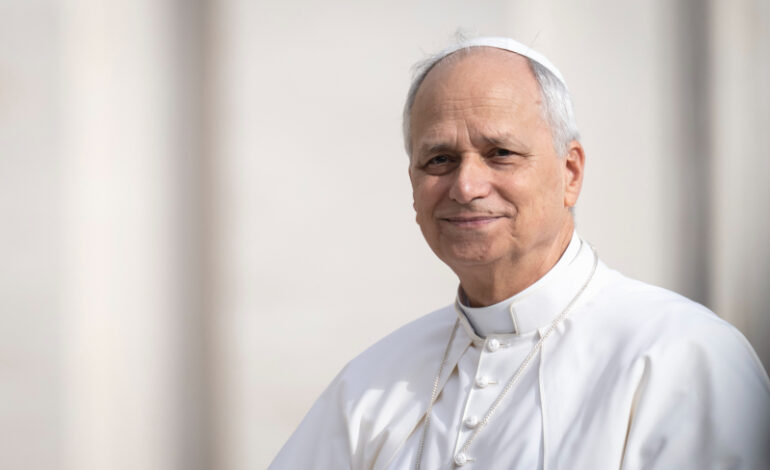

Pope Leo XIV has received a next generation telemedicine device designed to improve pediatric healthcare access for children in underserved regions around the world. The advanced system was presented during a meeting at the Vatican as part of a broader humanitarian initiative aimed at expanding medical support for young patients in areas where specialized care remains limited.
The device, known as the TELADOC LITE telehealth system, was donated by a delegation from the organization Patrons of the World’s Children Hospital. The group met with the Pope before the weekly General Audience in the Vatican’s Paul VI Hall, where the technology was formally introduced and demonstrated.
The telemedicine platform is designed to allow healthcare professionals to conduct remote consultations, diagnostic assessments, and collaborative treatment planning through connected digital medical devices. By enabling communication between patients and medical teams in different locations, the system aims to bridge critical healthcare gaps faced by children living in regions with limited pediatric services.
The initiative forms part of the Pope’s Global Alliance for the Health and Humanitarian Care of Children, an international network that brings together hospitals, medical specialists, and healthcare organizations committed to improving pediatric treatment worldwide. The alliance connects leading medical institutions from multiple countries, including the Vatican’s Bambino Gesù Children’s Hospital, which is widely recognized as one of Europe’s most advanced pediatric medical centers.
Through this international collaboration, the alliance seeks to support healthcare programs for children in developing countries or communities where access to specialized medical services is scarce. The network aims to assist roughly one million children by expanding remote medical consultations, improving diagnostic capabilities, and strengthening cooperation between hospitals and humanitarian organizations.
Representatives of the Patrons of the World’s Children Hospital emphasized that the project reflects a broader commitment to protecting the health and wellbeing of vulnerable children. The organization operates as a nonprofit corporation that coordinates funding and logistical support for global pediatric healthcare initiatives associated with the Vatican’s humanitarian mission.
During the presentation at the Vatican, the telemedicine system was used to establish a live remote connection with a medical location in Argentina. The demonstration illustrated how doctors can evaluate patients remotely and collaborate with specialists across international healthcare networks. Such capabilities are expected to help physicians provide faster diagnoses and treatment recommendations in areas where medical resources are limited.
Medical experts involved in the program note that telemedicine technology has become increasingly important in expanding healthcare access, especially in remote regions where hospitals and trained pediatric specialists are scarce. Digital health platforms allow medical teams to assess patient conditions, review diagnostic data, and provide guidance to local caregivers without requiring patients to travel long distances for consultations.
The Vatican’s participation in global health initiatives reflects its long standing commitment to humanitarian care and medical assistance for vulnerable populations. Catholic healthcare institutions already operate thousands of hospitals and clinics worldwide, many of which serve communities with limited public health infrastructure.
By integrating modern telemedicine tools into its humanitarian networks, the Vatican aims to strengthen international collaboration between doctors, hospitals, and aid organizations while expanding access to essential pediatric healthcare services for children who might otherwise go untreated.