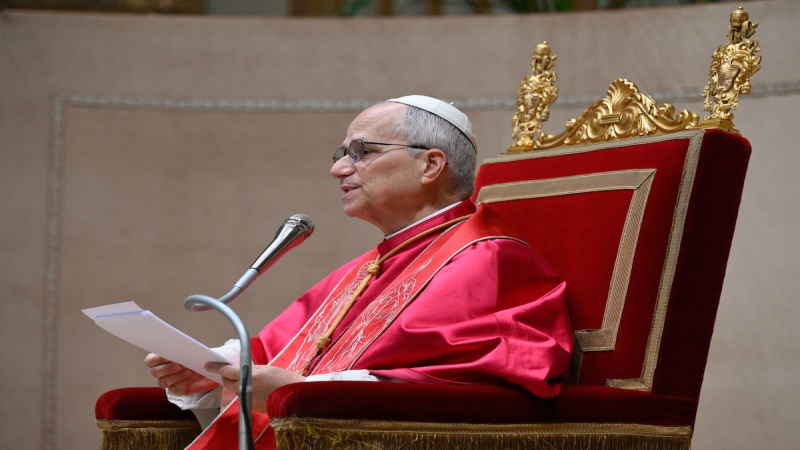

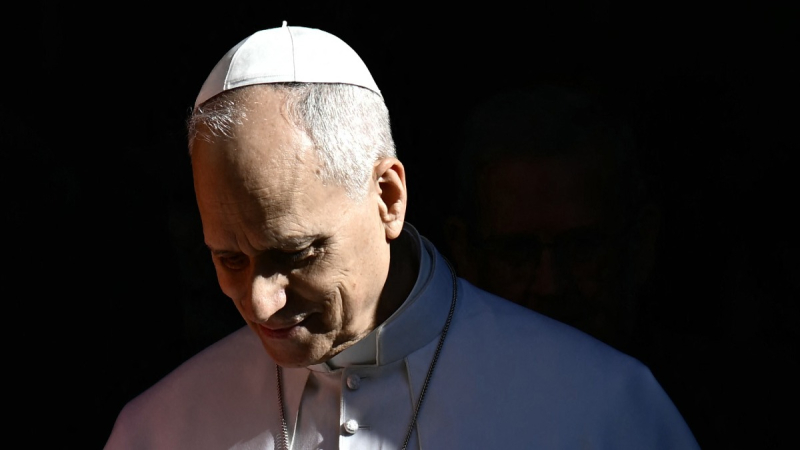
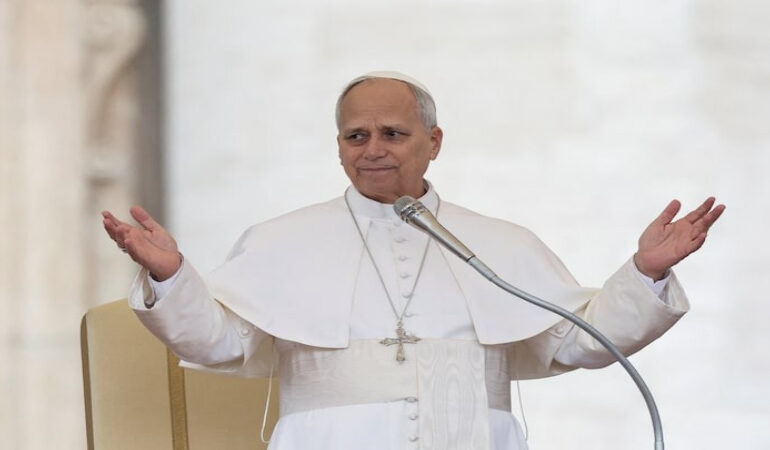

Pope Leo has issued a strong warning against political leaders who invoke religion to legitimize violence, nationalism, or armed conflict, describing such actions as a serious moral offense that distorts the meaning of faith. In a message released ahead of the Catholic Church’s World Day of Peace, the pope urged believers to resist attempts to manipulate religious language for political ends. Without naming specific countries or leaders, he said it has become increasingly common for faith to be drawn into political struggles and used to bless division or warfare. He stressed that religion should never be employed as a tool to promote hostility, adding that believers have a responsibility to counter these abuses through their personal conduct and public witness. The message reflects Leo’s early emphasis on safeguarding the spiritual integrity of religion in an era of heightened global polarization.
In his remarks, Pope Leo framed the misuse of faith in political conflicts as a form of blasphemy, arguing that it disrespects the sacred by subordinating it to power and ideology. He called on religious communities to reject narratives that merge belief with exclusionary nationalism or justify harm to others. According to the pope, authentic faith should encourage peace, responsibility, and respect for human dignity rather than deepen social or political divisions. He emphasized that the credibility of religious traditions depends not only on official teachings but also on how believers live out those values in public life. The pope’s message reinforces his broader pastoral approach, which has focused on dialogue, restraint, and moral clarity amid global tensions.
The pope also addressed the growing role of technology in modern warfare, expressing concern about the use of artificial intelligence in life and death decisions. He warned that delegating such responsibility to machines risks eroding the ethical foundations that underpin human civilization. According to Leo, the increasing reliance on automated systems in military contexts can allow political and military leaders to distance themselves from moral accountability. He described this trend as a betrayal of long standing principles of humanism that emphasize conscience, responsibility, and the protection of innocent life. The warning builds on his earlier statements about artificial intelligence, an issue he has highlighted repeatedly since his election earlier this year.
In the same message, Pope Leo lamented rising global military spending and a confrontational mindset that he said now dominates international politics. He warned that this logic fuels instability and unpredictability while diverting resources away from human development and peace building. The pope’s appeal aligns with his previous calls for restraint in global affairs and echoes themes he raised during his first foreign trip, when he urged religious leaders to firmly reject any use of faith to justify war or extremism. Together, the statements present a consistent vision of religion as a force for peace rather than division in an increasingly uncertain world.