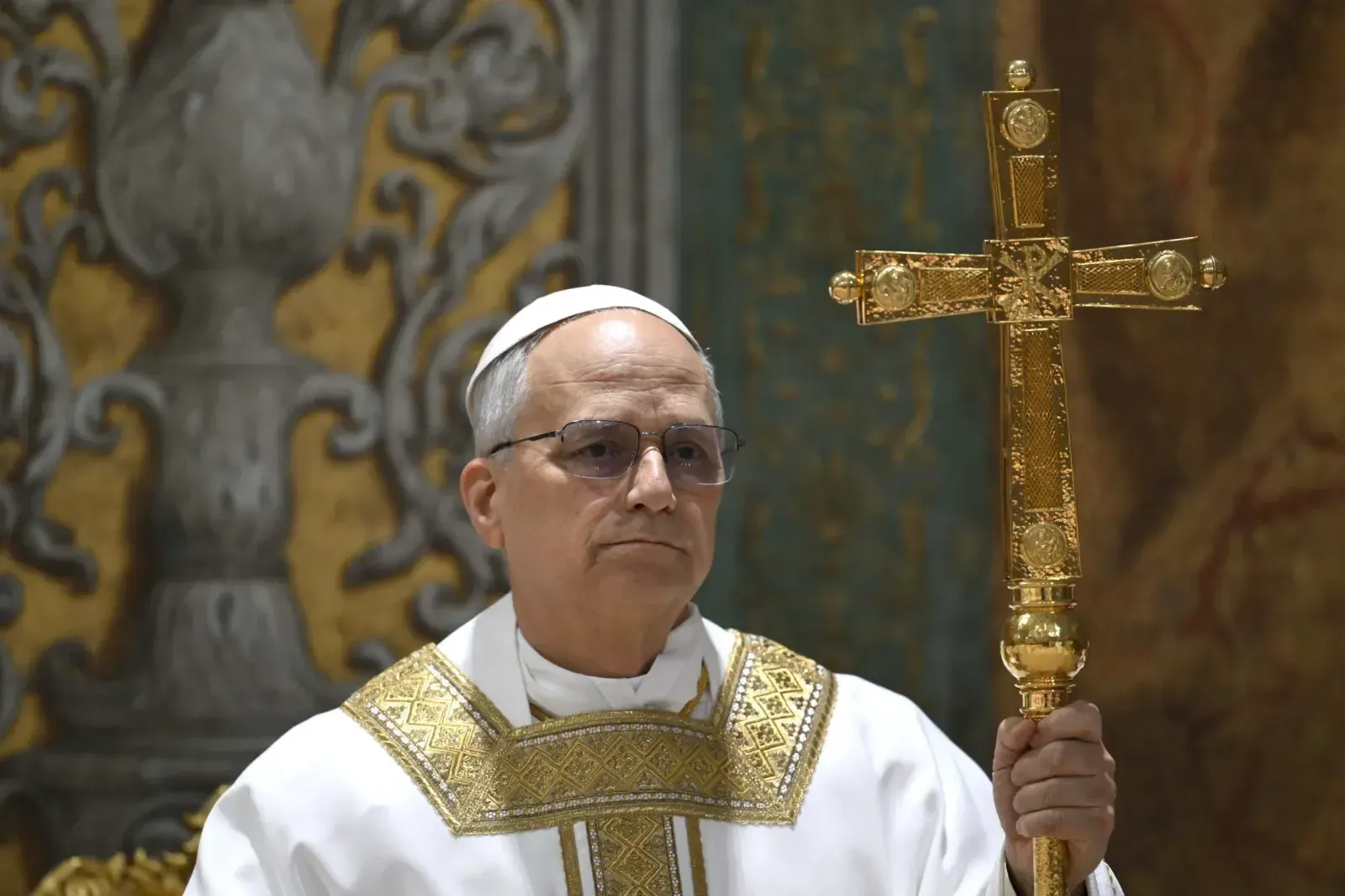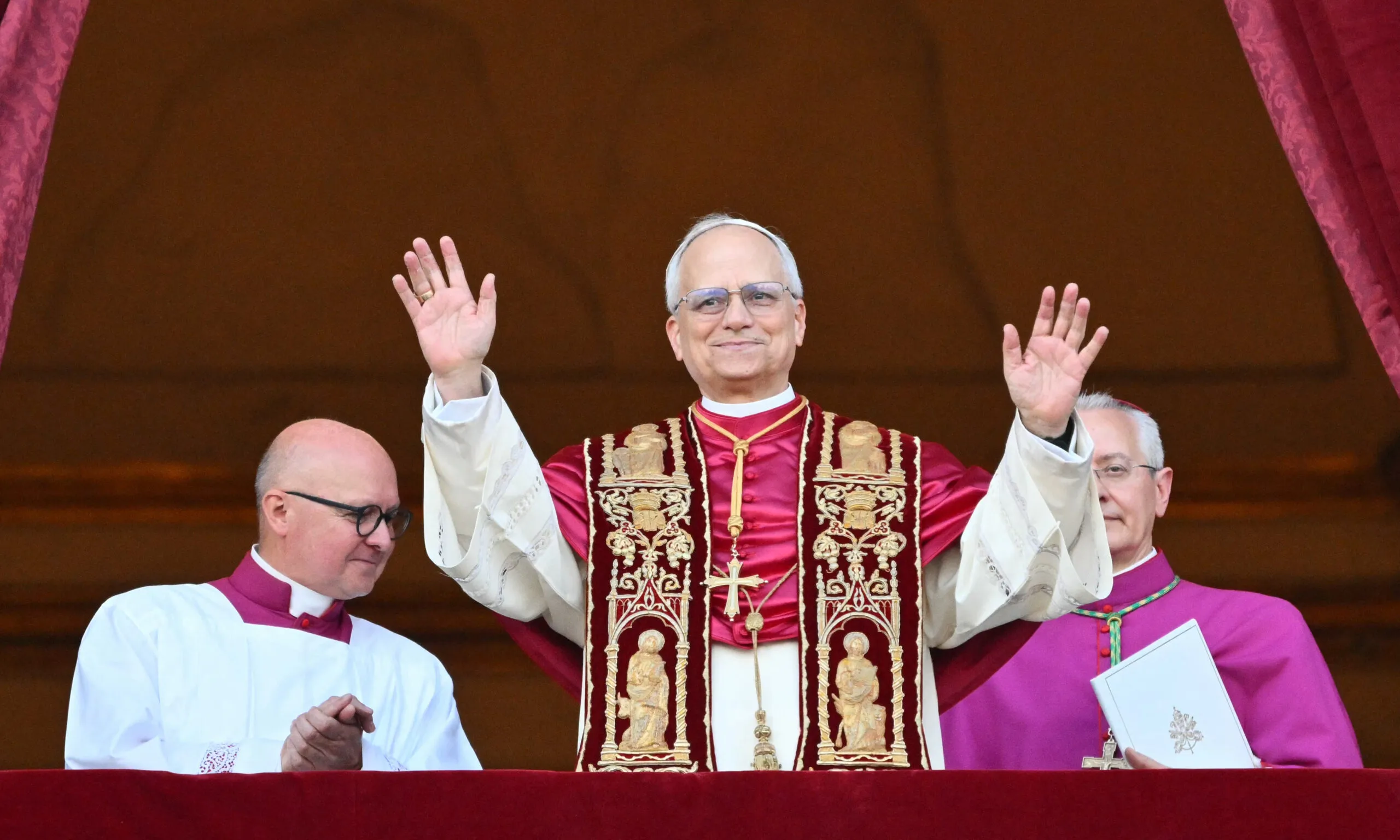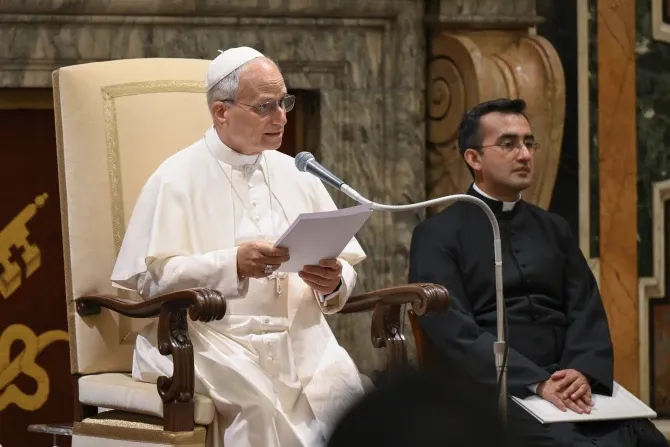
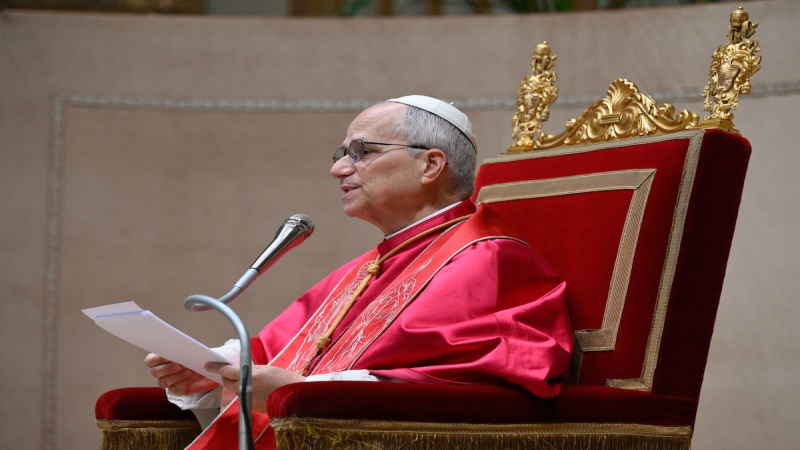


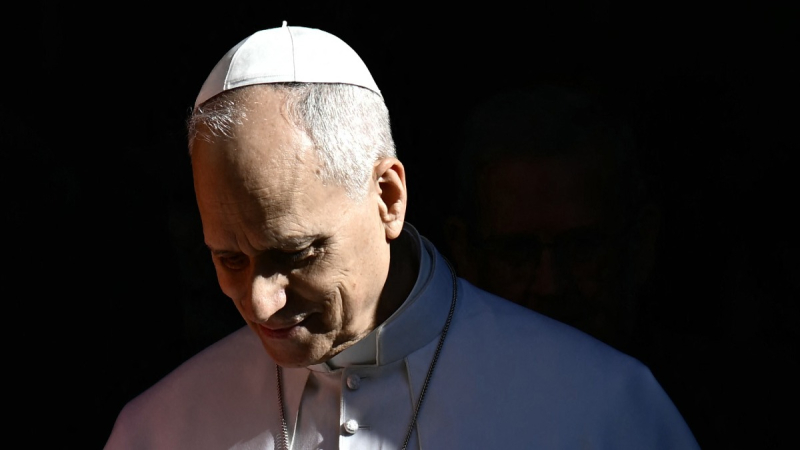
Pope Leo XIV and the Early Signals of a Governance Focused Papacy
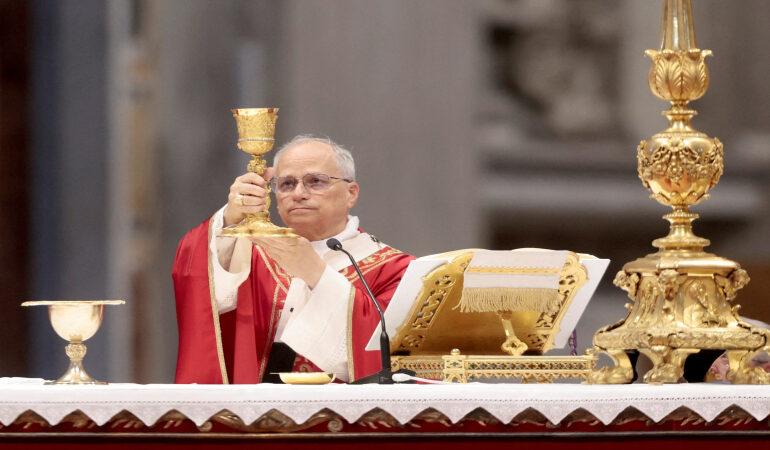

The election of Pope Leo XIV has marked the beginning of a papacy closely watched for its governing instincts rather than sweeping rhetorical shifts. From his earliest public gestures and internal decisions, the new pontiff has signaled a deliberate focus on structure, accountability, and institutional clarity. This approach reflects a Church emerging from years of administrative strain, global polarization, and heightened expectations for internal coherence.
Rather than emphasizing dramatic policy announcements, Pope Leo XIV appears intent on strengthening how the Church governs itself before expanding how it speaks to the world. His early weeks suggest a belief that credibility in doctrine, diplomacy, and moral leadership rests first on effective governance. For Vatican observers, this emphasis represents continuity with reform efforts already underway, but with a sharper managerial lens.
Governance as the Foundation of Papal Authority
At the center of Pope Leo XIV’s early papacy is a clear conviction that governance is not secondary to spiritual leadership. His initial addresses to Vatican officials have focused on responsibility, transparency, and service rather than ideology or factional alignment. By framing administration as a pastoral duty, he has reinforced the idea that effective governance directly affects the Church’s moral witness.
This focus has resonated within the Roman Curia, where clarity of roles and accountability have become recurring themes. Rather than introducing new structures immediately, Pope Leo XIV has emphasized disciplined execution of existing reforms. This signals a preference for consolidation over expansion, suggesting that he views stability as a prerequisite for renewal.
The tone of his governance also reflects restraint. Decisions have been communicated with precision and minimal flourish, reinforcing an image of steady leadership. For a global Church accustomed to uncertainty, this predictability may prove as influential as any doctrinal statement.
Early Appointments and Administrative Signals
One of the clearest indicators of a governance focused papacy lies in Pope Leo XIV’s early personnel decisions. His initial appointments have leaned toward experienced administrators with reputations for institutional competence rather than public visibility. This suggests a prioritization of operational effectiveness over symbolic gestures.
These choices point to an understanding of the Vatican as both a spiritual center and a complex global institution. By strengthening internal management, the pope appears intent on reducing friction between departments and improving coordination across continents. Such steps are particularly significant as the Church navigates legal, financial, and diplomatic challenges in multiple regions.
Importantly, these appointments have avoided abrupt departures from existing frameworks. Instead, they reflect incremental refinement, reinforcing continuity while subtly shifting emphasis toward performance and oversight.
Financial Oversight and Institutional Trust
Financial governance has emerged as another defining feature of Pope Leo XIV’s early direction. While not introducing headline reforms, he has consistently underscored the importance of transparency and stewardship. This approach aligns with broader efforts to rebuild trust following years of scrutiny over Vatican finances.
By reaffirming oversight mechanisms and reinforcing professional standards, the pope has framed financial discipline as a moral obligation rather than a technical necessity. This framing connects governance directly to credibility, particularly in regions where the Church’s social mission depends on public trust.
The emphasis on accountability also reflects a long term view. Rather than reacting to crises, Pope Leo XIV appears focused on embedding norms that reduce the likelihood of future failures. This steady approach may lack drama, but it strengthens institutional resilience.
A Measured Leadership Style for a Fragmented Church
Pope Leo XIV’s governance centered approach also shapes his broader leadership style. In a Church marked by theological diversity and cultural tension, his emphasis on order and process offers a stabilizing counterweight. By prioritizing how decisions are made rather than immediately redefining what decisions are made, he has lowered the temperature of internal debates.
This does not signal disengagement from doctrinal or social issues. Instead, it suggests a belief that durable outcomes require solid institutional foundations. His approach reflects an understanding that governance can either amplify or undermine the Church’s voice, depending on its integrity.
For many Catholics, this style may feel understated. Yet its strength lies in its capacity to unify through structure rather than persuasion alone.
Conclusion
Pope Leo XIV’s early papacy reveals a clear signal that governance matters. By focusing on administration, accountability, and institutional discipline, he has positioned effective leadership as the cornerstone of the Church’s mission. While long term outcomes remain to be seen, his measured approach suggests a papacy intent on strengthening the Church from within before expanding its influence outward.