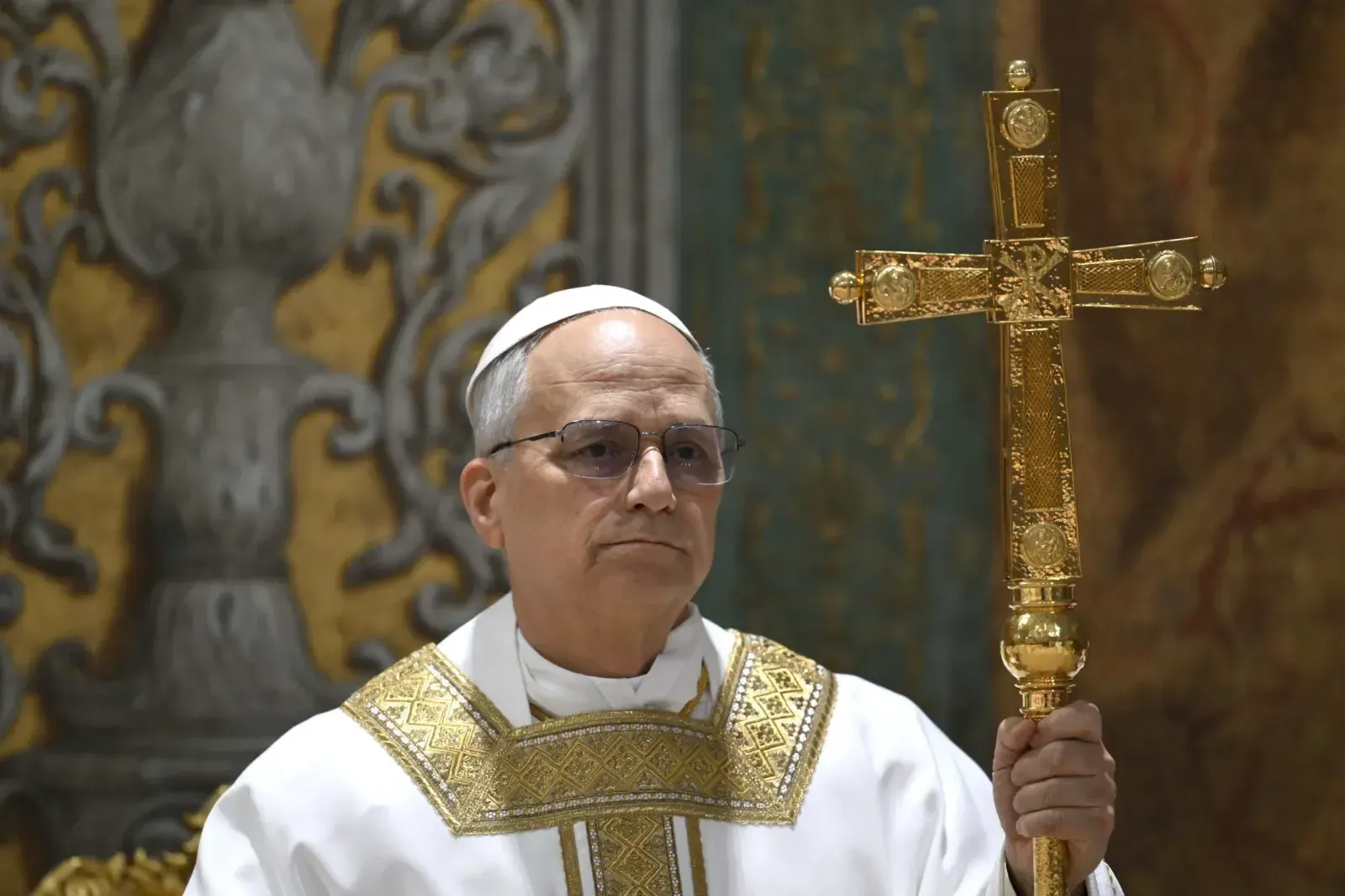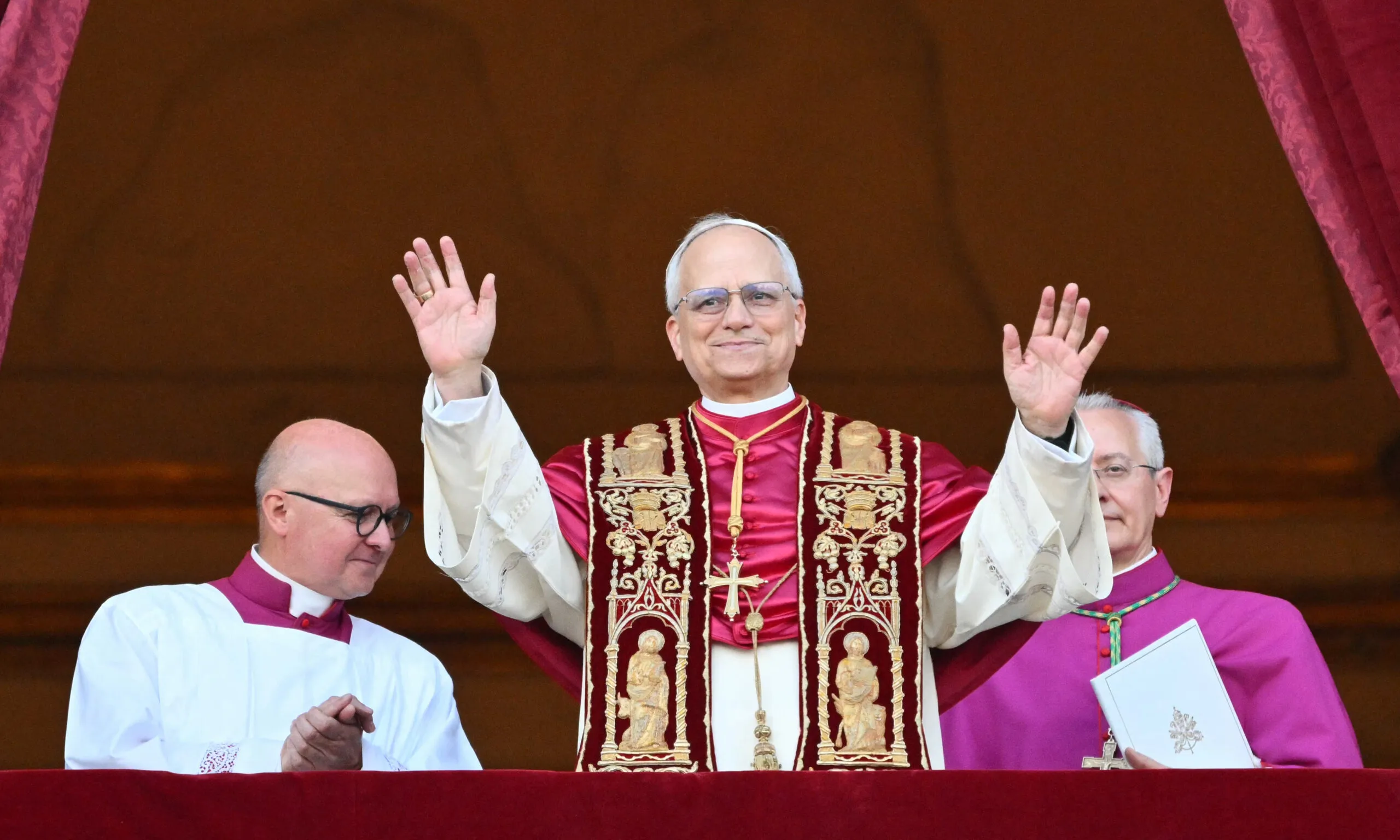
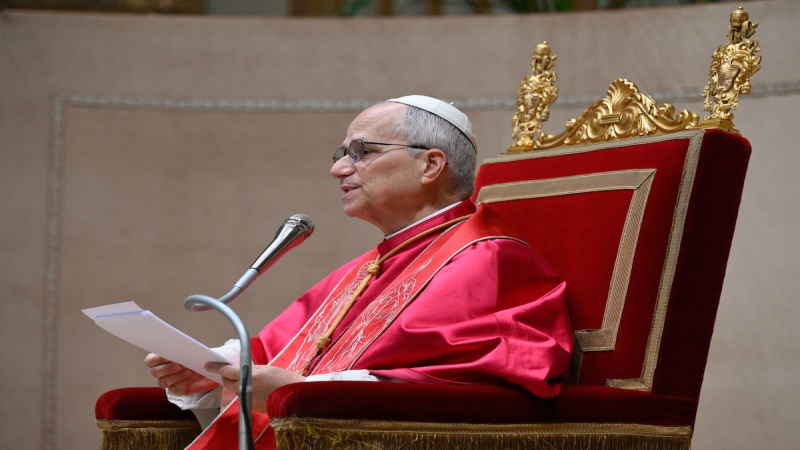


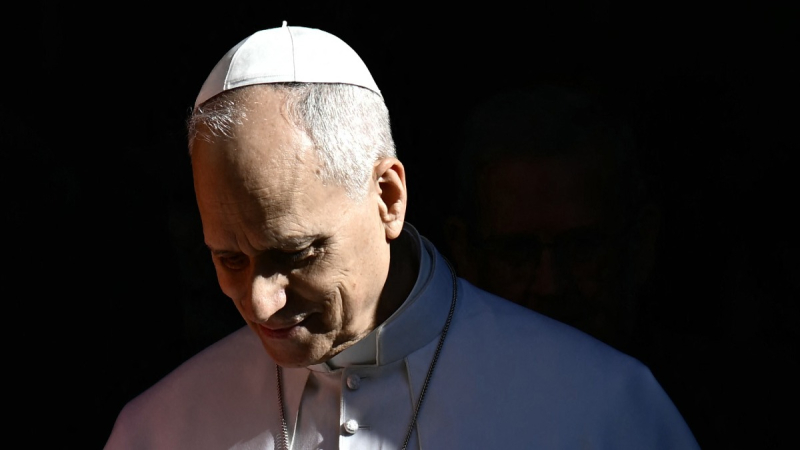
Pope Leo XIV and the Quiet Reassertion of Papal Moral Authority
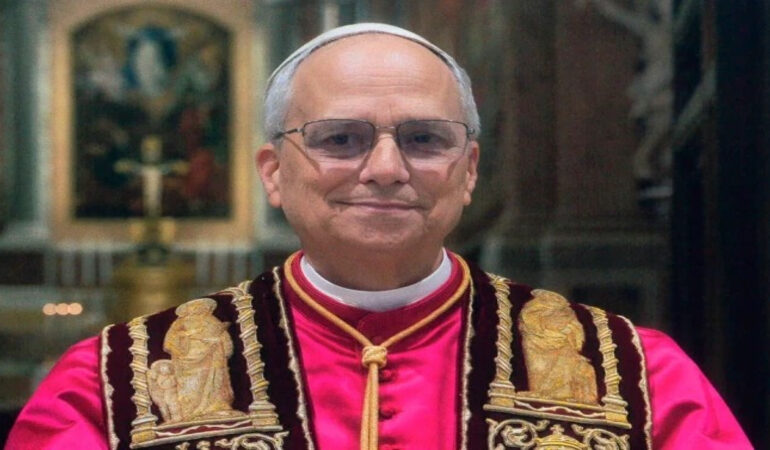

In recent years, moral authority has become increasingly difficult for institutions to sustain. Public trust has weakened across political, cultural, and religious spheres, and the Church has not been immune to this challenge. Against this backdrop, the early leadership of Pope Leo XIV reflects a notable shift in how papal moral authority is expressed and understood.
Rather than asserting authority through forceful declarations or symbolic gestures, Pope Leo XIV appears to be restoring credibility through restraint, coherence, and pastoral consistency. His approach suggests an understanding that moral authority today must be earned through trust rather than assumed through position. This quiet reassertion marks a significant moment for the papacy in a divided global landscape.
Moral Authority Rooted in Consistency
One of the clearest ways Pope Leo XIV reasserts moral authority is through consistency in message and tone. His public statements emphasize enduring principles rather than reactive commentary. This consistency reinforces the idea that moral leadership is grounded in continuity rather than novelty.
By avoiding frequent shifts in emphasis, Pope Leo XIV allows the Church’s moral voice to regain stability. This steadiness signals reliability to believers and observers alike. When leadership is predictable in its values, it becomes easier for communities to trust its guidance.
Consistency also strengthens the connection between teaching and action. Pope Leo XIV’s measured tone suggests an effort to align moral instruction with lived practice. This alignment enhances credibility and allows authority to emerge naturally rather than through insistence.
Authority Expressed Through Pastoral Presence
Pope Leo XIV’s leadership reflects a pastoral understanding of authority. Instead of positioning himself primarily as a figure of correction, he emphasizes accompaniment and discernment. This pastoral posture allows moral authority to be exercised through relationship rather than distance.
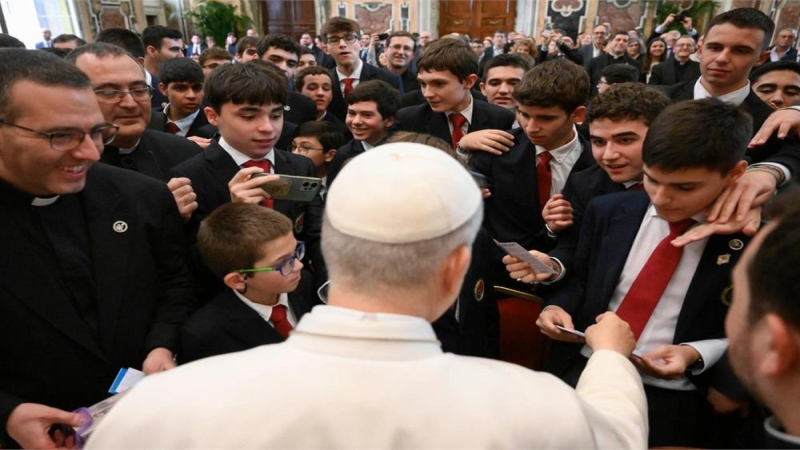
By focusing on listening and engagement, the papacy becomes more accessible without losing its depth. Pope Leo XIV’s approach suggests that authority grows when people feel seen and understood. This strengthens the Church’s ability to speak to complex moral realities without alienation.
Pastoral authority also acknowledges the challenges people face. Rather than simplifying moral questions, Pope Leo XIV appears attentive to the lived experiences of individuals and communities. This sensitivity reinforces trust and affirms the Church’s commitment to human dignity.
Moral Clarity Without Confrontation
Another defining feature of Pope Leo XIV’s leadership is his ability to communicate moral clarity without adopting a confrontational stance. His language avoids polarizing rhetoric and instead emphasizes reflection and conscience. This approach allows moral teaching to remain firm while reducing resistance.
In a polarized environment, confrontational language often undermines credibility. Pope Leo XIV’s restraint demonstrates confidence in the strength of the Church’s moral tradition. By avoiding unnecessary conflict, the papacy preserves its capacity to speak across ideological boundaries.
This balance also protects the universality of the Church’s moral voice. By not aligning moral authority with political or cultural factions, Pope Leo XIV reinforces the Church’s role as a global moral reference rather than a partisan actor.
Rebuilding Trust Through Institutional Humility
Institutional humility plays a central role in Pope Leo XIV’s reassertion of moral authority. His leadership reflects an awareness that authority weakened by mistrust cannot be restored through assertion alone. Instead, humility creates space for renewal.
By acknowledging the need for accountability and integrity, Pope Leo XIV signals a commitment to credibility over image. This humility does not diminish authority but strengthens it by grounding leadership in truthfulness.
Institutional humility also invites shared responsibility. Moral authority becomes a collective witness rather than a singular voice. This approach encourages the entire Church to participate in restoring trust through ethical conduct and faithful service.
Conclusion
Pope Leo XIV’s reassertion of papal moral authority is marked by restraint, consistency, and pastoral sensitivity. Rather than relying on spectacle or confrontation, he strengthens credibility through coherence and humility. In a world where authority is often questioned, this quiet leadership offers a model rooted in trust, clarity, and enduring moral purpose.