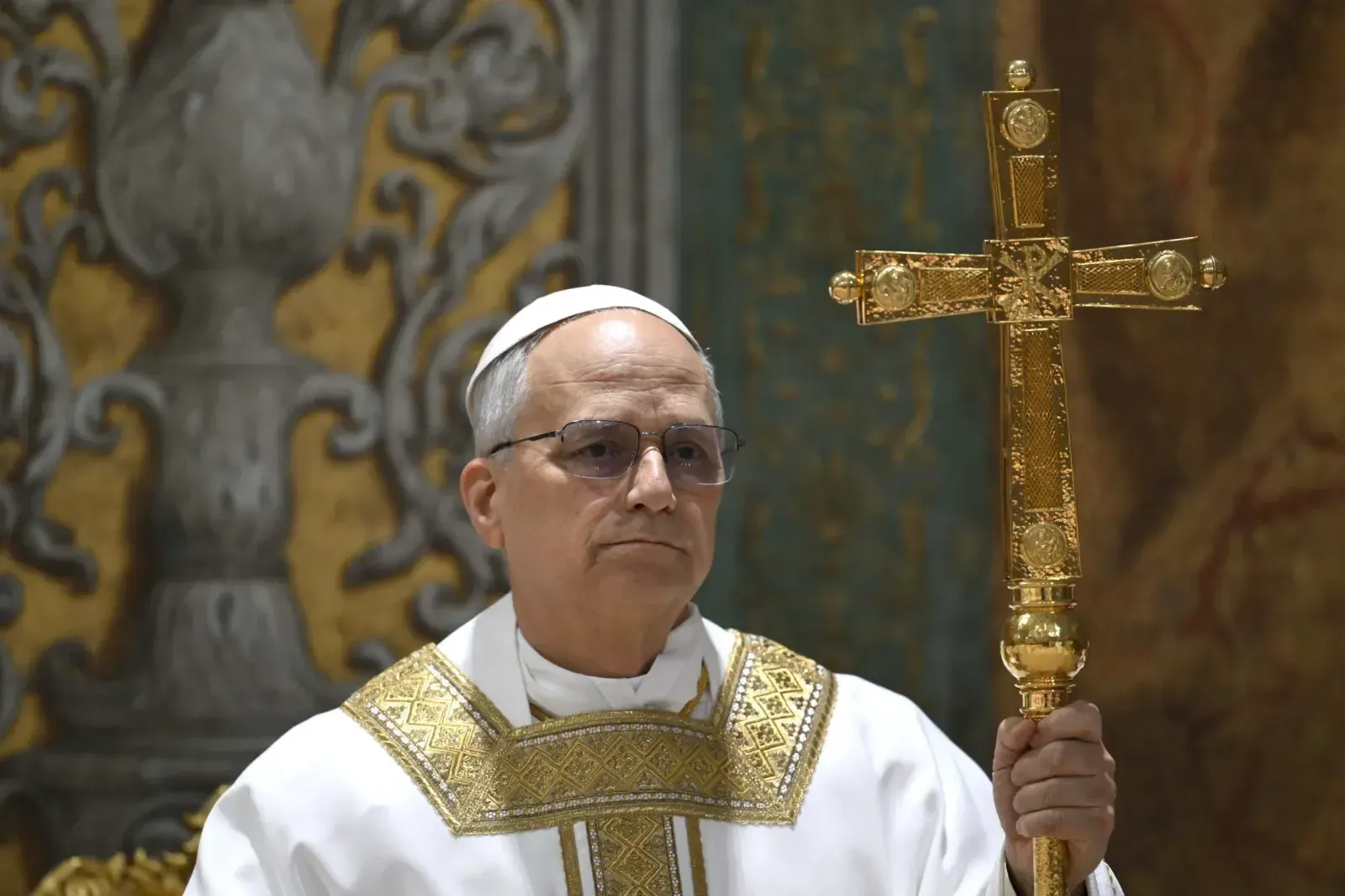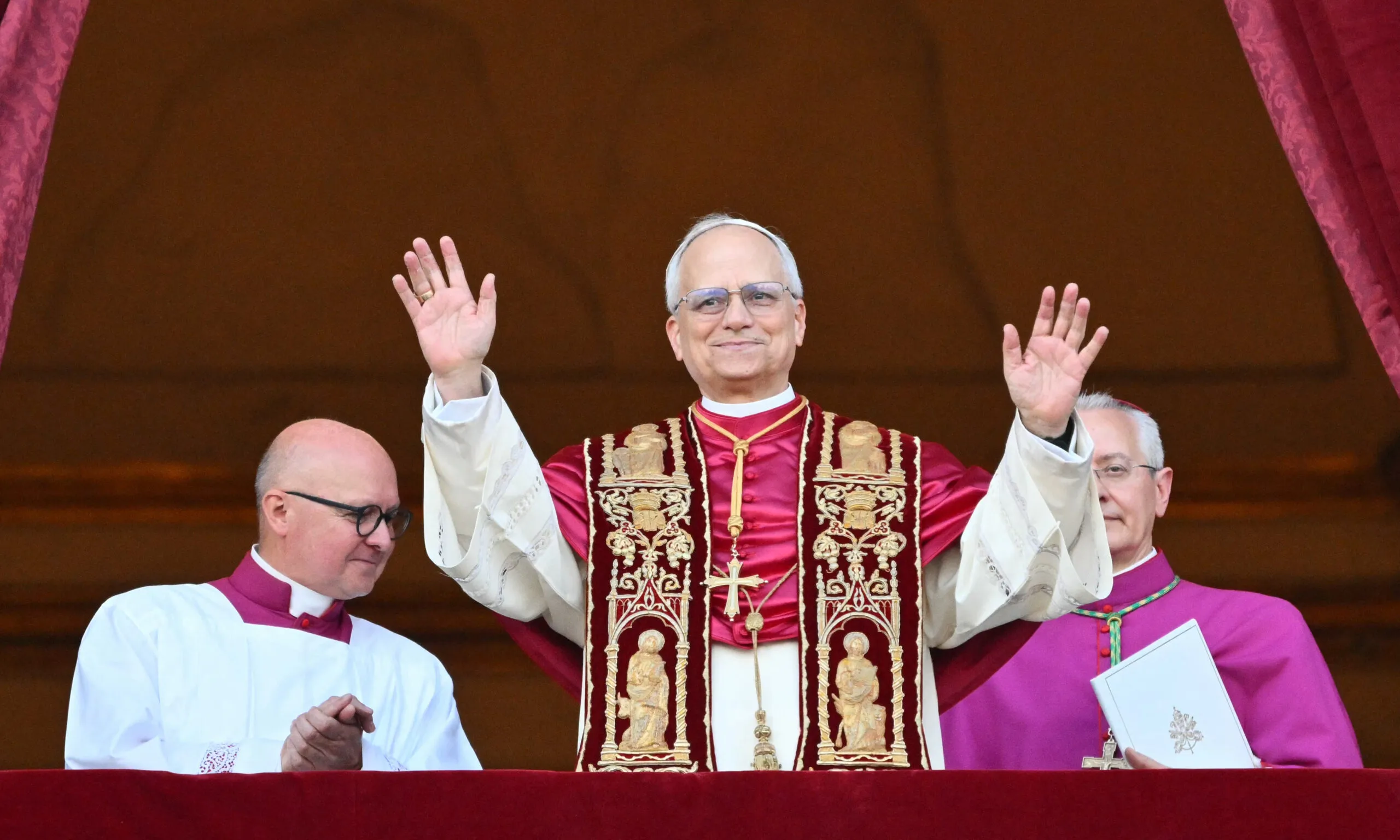


Pope Leo XIV and the Quiet Rebalancing of Moral Authority in a Fragmented World
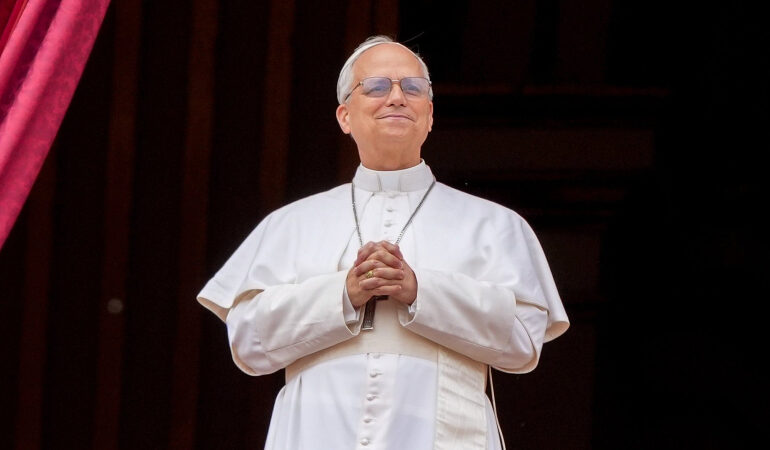

Pope Leo XIV steps into the papacy at a time when moral authority is under strain across institutions, cultures, and political systems. Public trust in leadership has eroded in many societies, while ethical debates are increasingly shaped by speed, polarization, and digital amplification. Against this backdrop, the early tone emerging from the Vatican suggests restraint rather than spectacle, and reflection rather than rhetoric.
Rather than attempting to command attention, Pope Leo XIV appears focused on restoring coherence between belief, conduct, and governance. This approach reflects an understanding that moral leadership today is measured less by declarations and more by consistency. For a global Church navigating internal diversity and external skepticism, this shift carries both symbolic and practical significance.
Moral Authority Through Consistency
The central challenge facing the modern papacy is not visibility but credibility. Pope Leo XIV inherits a world in which authority is often questioned before it is heard. His early emphasis on internal discipline, ethical alignment, and pastoral clarity signals an effort to rebuild trust from within rather than assert influence outwardly.
This focus reflects a broader reality confronting religious institutions. Moral authority now depends on coherence between teaching and action. When leadership is steady and predictable, it creates space for moral reflection rather than reaction. The Vatican’s posture under Leo XIV suggests a recognition that the Church must first embody the values it seeks to articulate.
In this context, restraint becomes a form of leadership. By avoiding dramatic gestures or constant commentary, the papacy positions itself as a stable reference point. This quiet consistency allows moral authority to emerge over time rather than being demanded in moments of crisis.
A Papacy Shaped by a Fragmented World
Navigating Polarization and Digital Culture
The global environment Pope Leo XIV faces is defined by fragmentation. Political polarization, cultural division, and digital acceleration have reshaped how ideas spread and how authority is perceived. In such a landscape, moral statements can quickly be reduced to slogans or misinterpreted through ideological filters.
Rather than competing in this environment, the papacy appears to be choosing distance from it. By emphasizing depth over immediacy, Leo XIV’s leadership style suggests caution toward reactive engagement. This approach allows the Church to speak with deliberation, reducing the risk of moral teaching being absorbed into transient cultural disputes.
Reframing the Role of the Vatican
Another notable aspect of this early posture is the Vatican’s apparent shift away from acting as a competing power center. Instead, the papacy is being framed as a moral institution whose influence lies in guidance rather than governance over others. This distinction matters in a world wary of centralized authority.
By reinforcing internal standards and governance practices, the Vatican strengthens its moral standing without seeking dominance. This reframing allows the Church to engage global issues from a position of ethical credibility rather than institutional ambition.
Implications for the Global Church
For Catholics worldwide, this leadership style invites a renewed focus on lived faith rather than symbolic alignment. Moral authority, in this vision, is distributed through communities that reflect consistency and accountability. The papacy’s role becomes one of orientation rather than control.
This has practical implications for how the Church addresses social questions, pastoral challenges, and internal reform. A steady papacy encourages local responsibility while maintaining doctrinal clarity. Over time, this balance can strengthen the Church’s global coherence without enforcing uniformity.
Conclusion
Pope Leo XIV’s early approach suggests a deliberate rebalancing of moral authority grounded in restraint, coherence, and internal credibility. In a fragmented world saturated with competing voices, the papacy is positioning itself as a steady moral reference rather than a dominant actor. This quiet recalibration reflects an understanding that enduring authority is earned through consistency, not volume, and that relevance flows from integrity rather than attention.