
Pope Leo XIV and the Quiet Reordering of Papal Authority
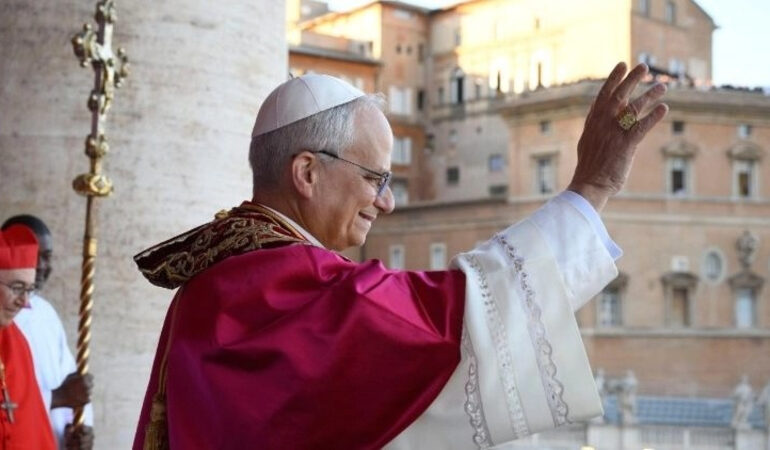

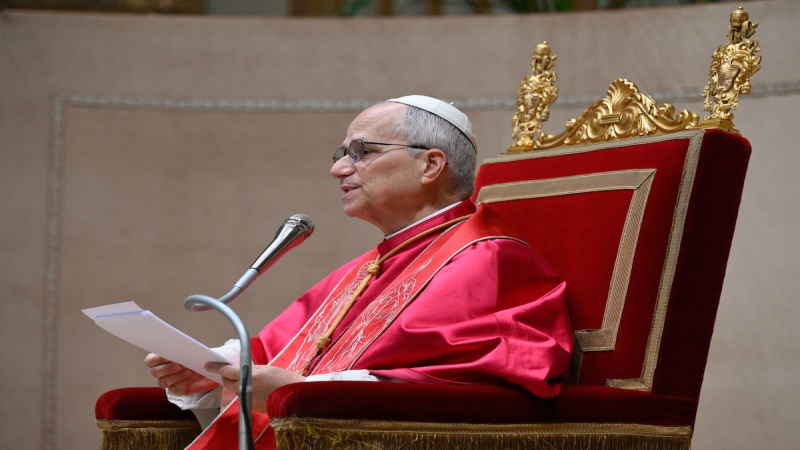
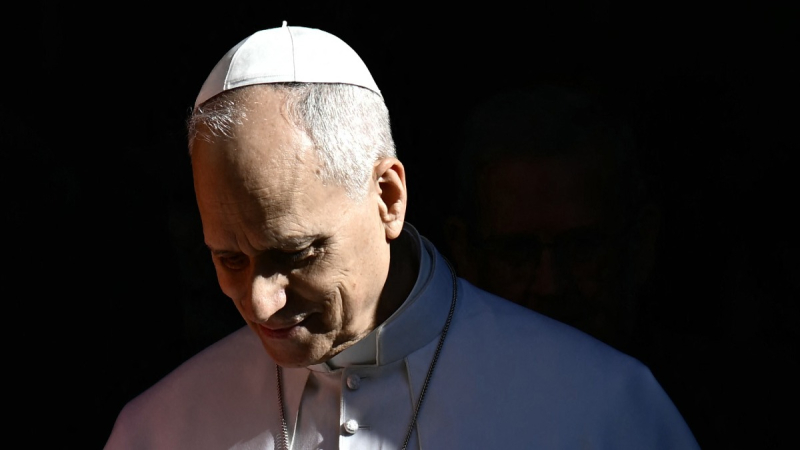
The election of Pope Leo XIV marked a significant moment for the Catholic Church, not because of dramatic gestures or sweeping declarations, but because of a noticeable change in how authority is being exercised from Rome. From the earliest weeks of his pontificate, Leo XIV has shown a preference for restraint, clarity, and internal coherence rather than visibility-driven leadership. This quieter style has prompted careful observation across the global Church.
Rather than framing his papacy through public symbolism, Pope Leo XIV appears focused on recalibrating how decisions are made, communicated, and implemented. This approach suggests a reordering of papal authority that values institutional stability, shared responsibility, and disciplined governance at a time when the Church faces cultural fragmentation and political pressure worldwide.
A Shift From Personal Centrality to Institutional Authority
One of the most notable features of Pope Leo XIV’s leadership is his deliberate move away from a personality-centered papacy. While the office of the pope remains central to Catholic unity, Leo XIV has emphasized the strength of institutions over individual presence. This shift reflects a belief that enduring authority is best sustained through systems rather than constant personal intervention.
By reinforcing the role of established Vatican bodies and emphasizing collective discernment, the pope has quietly redirected attention toward the structures that support governance. This does not diminish papal authority, but rather anchors it more firmly within the Church’s long-standing administrative and theological frameworks. The result is a papacy that governs steadily without appearing reactive or overly personalized.
Rebalancing the Role of the Roman Curia
Pope Leo XIV has also signaled a renewed trust in the Roman Curia as a governing instrument. Instead of bypassing departments or relying on informal channels, his early decisions suggest an effort to restore procedural clarity. This includes respecting internal processes and encouraging collaboration among dicasteries.
Such an approach reduces uncertainty within the Vatican and strengthens accountability. It also allows local bishops and Church leaders to engage Rome with clearer expectations. Over time, this may rebuild confidence in how decisions are formed and communicated, especially after years of rapid change and adaptation.
Authority Through Consistency Rather Than Constant Intervention
Another defining feature of this papacy is the pope’s selective use of direct intervention. Pope Leo XIV has spoken less frequently in public forums, choosing instead to let actions and appointments convey direction. This consistency reinforces authority without constant commentary.
In a global environment saturated with opinion and instant reaction, this restraint stands out. It signals that authority does not require constant visibility to remain effective. For many within the Church, this steadiness offers reassurance and reduces the sense of volatility that can accompany frequent shifts in tone or emphasis.
Implications for the Global Church
The quiet reordering of papal authority has meaningful implications beyond Rome. Bishops and Church leaders across regions are likely to experience greater responsibility in governance, paired with clearer alignment to central guidance. This balance encourages local initiative while maintaining unity.
For Catholics navigating complex social and political realities, this model reinforces the Church’s capacity to remain grounded. Authority exercised through stability and coherence can strengthen trust at a time when institutions are often questioned. Pope Leo XIV’s approach may therefore shape not only Vatican governance, but also how the Church presents itself to the world.
Conclusion
Pope Leo XIV’s papacy reflects a deliberate recalibration of how authority functions at the heart of the Catholic Church. By prioritizing institutional strength, procedural clarity, and measured leadership, he is quietly reshaping expectations of the papal role. This reordering does not weaken authority, but situates it within a framework designed for endurance, unity, and thoughtful governance in a changing global landscape.