Pope Leo XIV Appeals for Humanitarian Access in Conflict Zones During Sunday Angelus Address
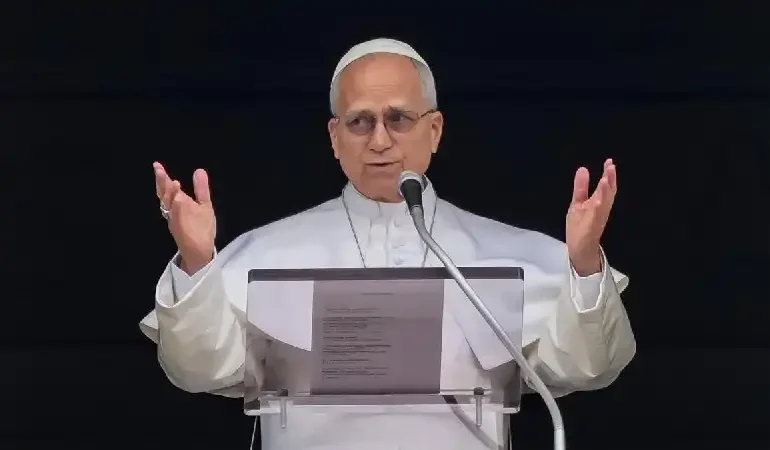

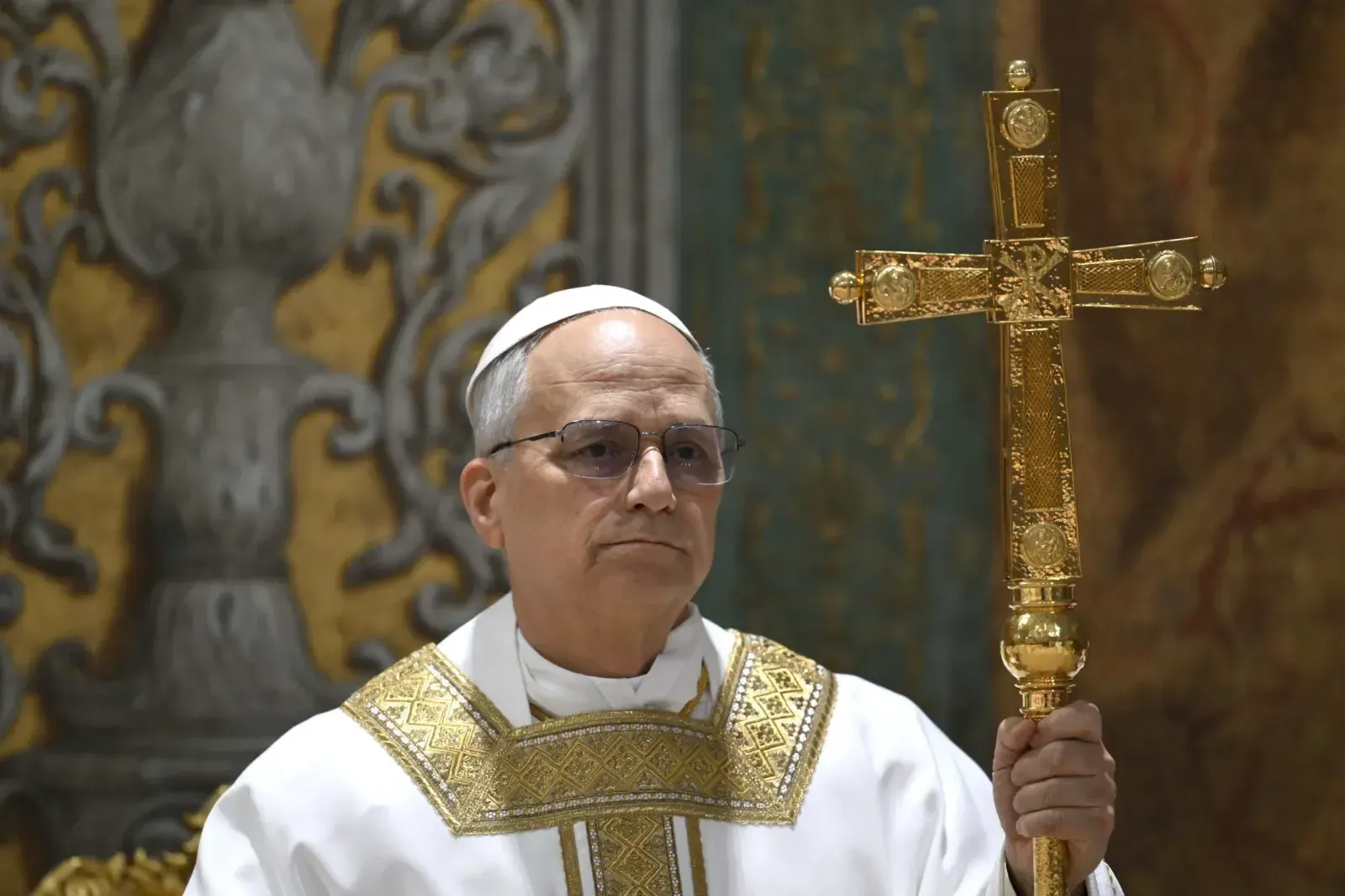
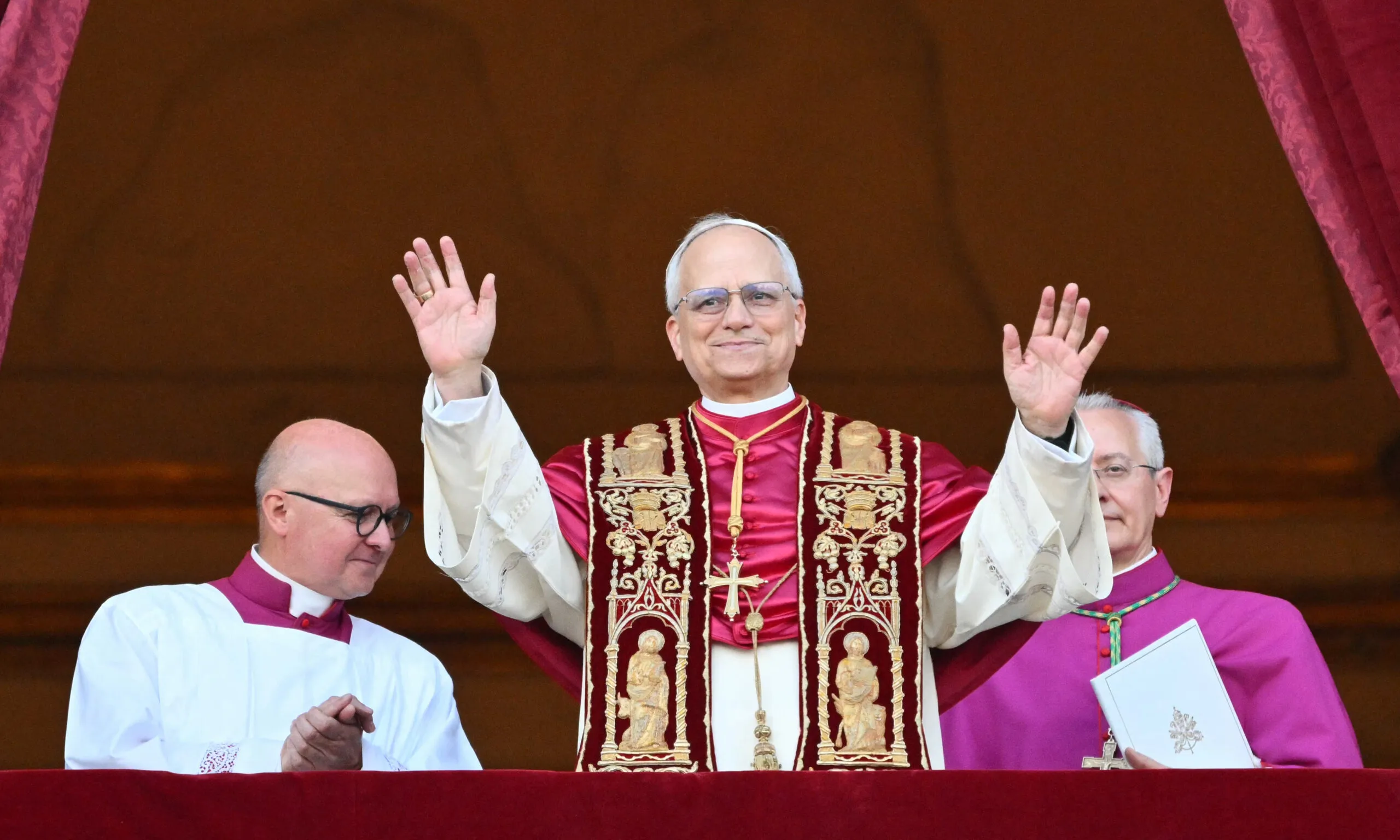
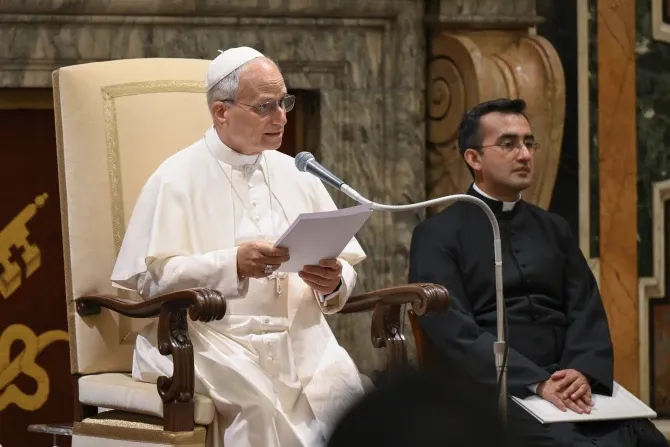
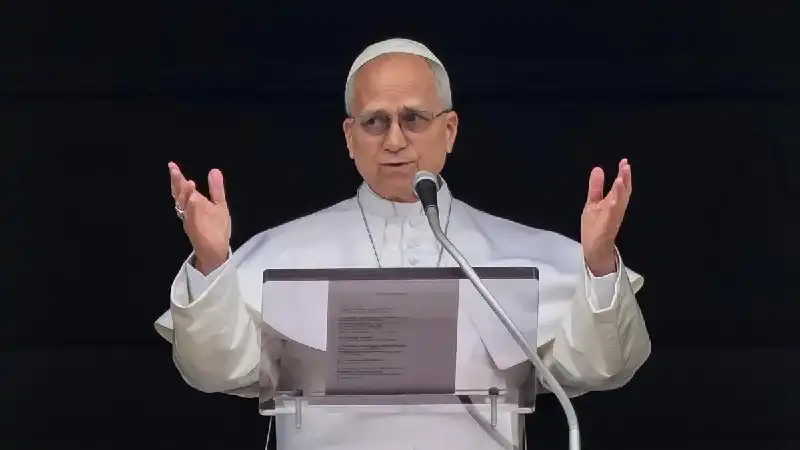
Humanitarian access in areas affected by armed conflict has become one of the most urgent concerns in global diplomacy. During the Sunday Angelus address in 2026, Pope Leo XIV called on political leaders and international institutions to ensure that humanitarian organizations can reach civilians trapped in conflict zones. The Pope emphasized that war often prevents essential supplies such as food, medicine and clean water from reaching vulnerable communities. His remarks reflected the Vatican’s long standing concern that humanitarian aid must remain protected from political and military obstacles. Ensuring safe access for humanitarian workers remains essential for preserving human dignity during periods of crisis.
Protecting Civilians During Armed Conflict
Armed conflicts often place civilian populations in extremely fragile conditions. When transportation networks collapse or supply routes are blocked, communities may lose access to basic necessities needed for survival. Pope Leo XIV stressed that protecting civilians must remain a central priority for governments and international organizations. Humanitarian corridors allow aid workers to deliver medical supplies and emergency food assistance to affected areas. Without these corridors, entire communities can face severe shortages that worsen humanitarian crises. The Pope therefore urged decision makers to prioritize the protection of humanitarian operations and ensure that aid delivery remains free from political obstruction.
The Role of International Cooperation
Effective humanitarian access requires cooperation between governments, international organizations and humanitarian agencies. Conflicts frequently involve multiple actors whose decisions influence the ability of aid groups to operate safely. Pope Leo XIV emphasized that international cooperation is essential for establishing secure pathways for humanitarian assistance. Diplomatic engagement can help coordinate ceasefire arrangements that allow aid convoys to reach civilians. When governments work together to facilitate humanitarian access, relief efforts become more efficient and reliable. Cooperation therefore plays a crucial role in reducing the human cost of armed conflicts.
Moral Responsibility in Global Leadership
The Pope also highlighted the moral responsibility carried by political leaders during periods of conflict. Decisions made by governments influence whether humanitarian workers can safely deliver assistance to affected populations. Ethical leadership requires recognition that civilian protection is not only a legal obligation but also a moral duty. Pope Leo XIV encouraged leaders to consider the human consequences of conflict when shaping military and diplomatic strategies. Protecting humanitarian access reflects a commitment to human dignity and international solidarity.
Humanitarian Aid and Social Stability
Humanitarian assistance also contributes to long term social stability in regions affected by violence. When aid reaches vulnerable populations, communities are better able to maintain basic health and social structures despite ongoing instability. Food security programs, medical care and educational support can prevent deeper humanitarian disasters from emerging. Pope Leo XIV emphasized that the international community must view humanitarian access not as a temporary response but as part of a broader commitment to peace and human development.
The Vatican’s Diplomatic Advocacy
The Vatican has historically played a diplomatic role in advocating for humanitarian principles in international conflicts. Through dialogue with governments and global institutions, the Holy See encourages policies that prioritize civilian protection and humanitarian access. Pope Leo XIV’s appeal during the Angelus address reflects this tradition of moral diplomacy. By speaking publicly about humanitarian responsibilities, the Pope seeks to remind world leaders that protecting vulnerable populations remains a shared international obligation.
Conclusion
Pope Leo XIV’s call for humanitarian access highlights the importance of protecting civilians during armed conflicts. Ensuring that aid organizations can reach vulnerable communities is essential for preserving human dignity and reducing suffering. By encouraging international cooperation and ethical leadership, the Pope reinforces the global responsibility to safeguard humanitarian assistance in times of crisis.