
Pope Leo’s Message to Journalists
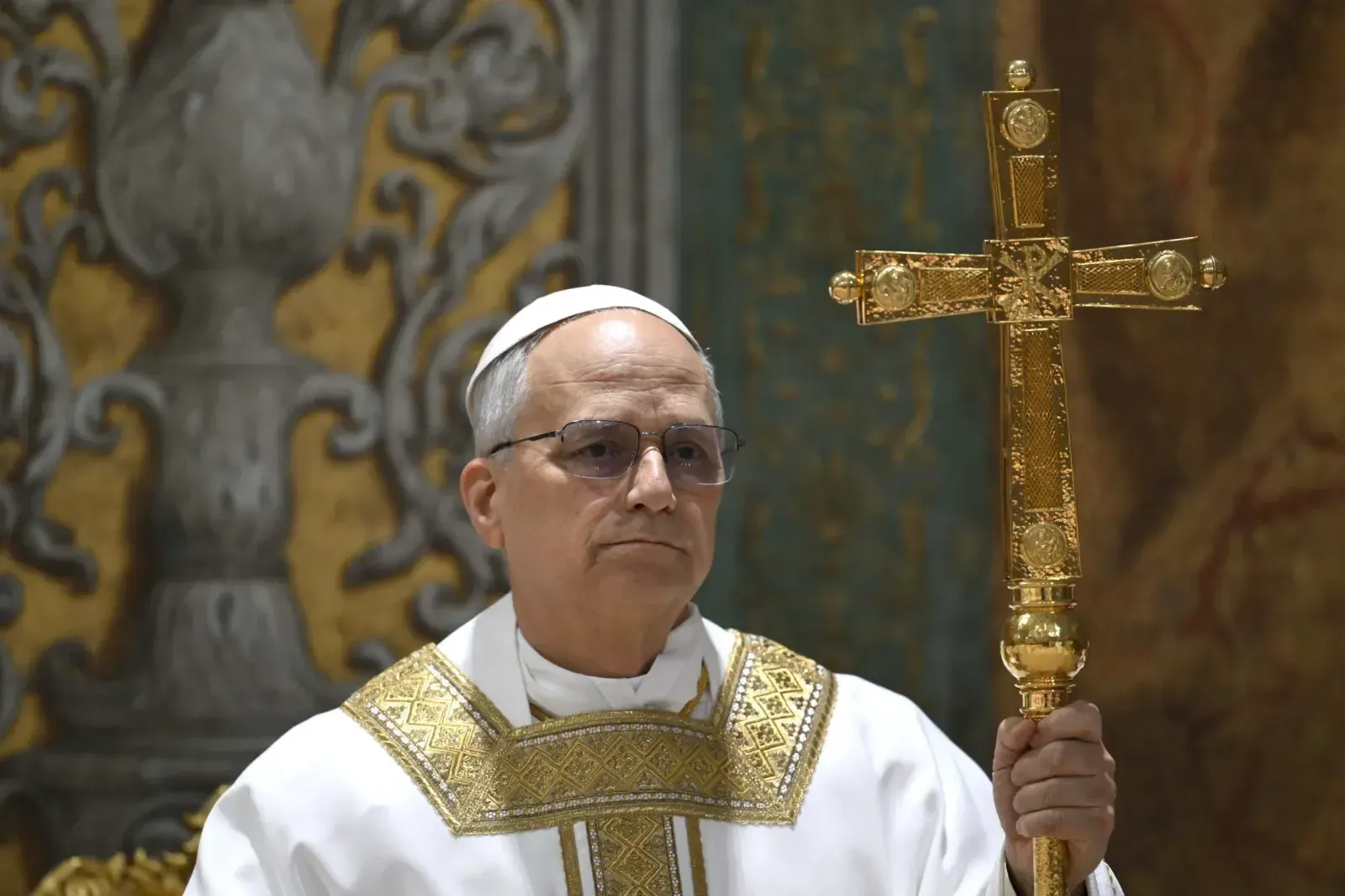
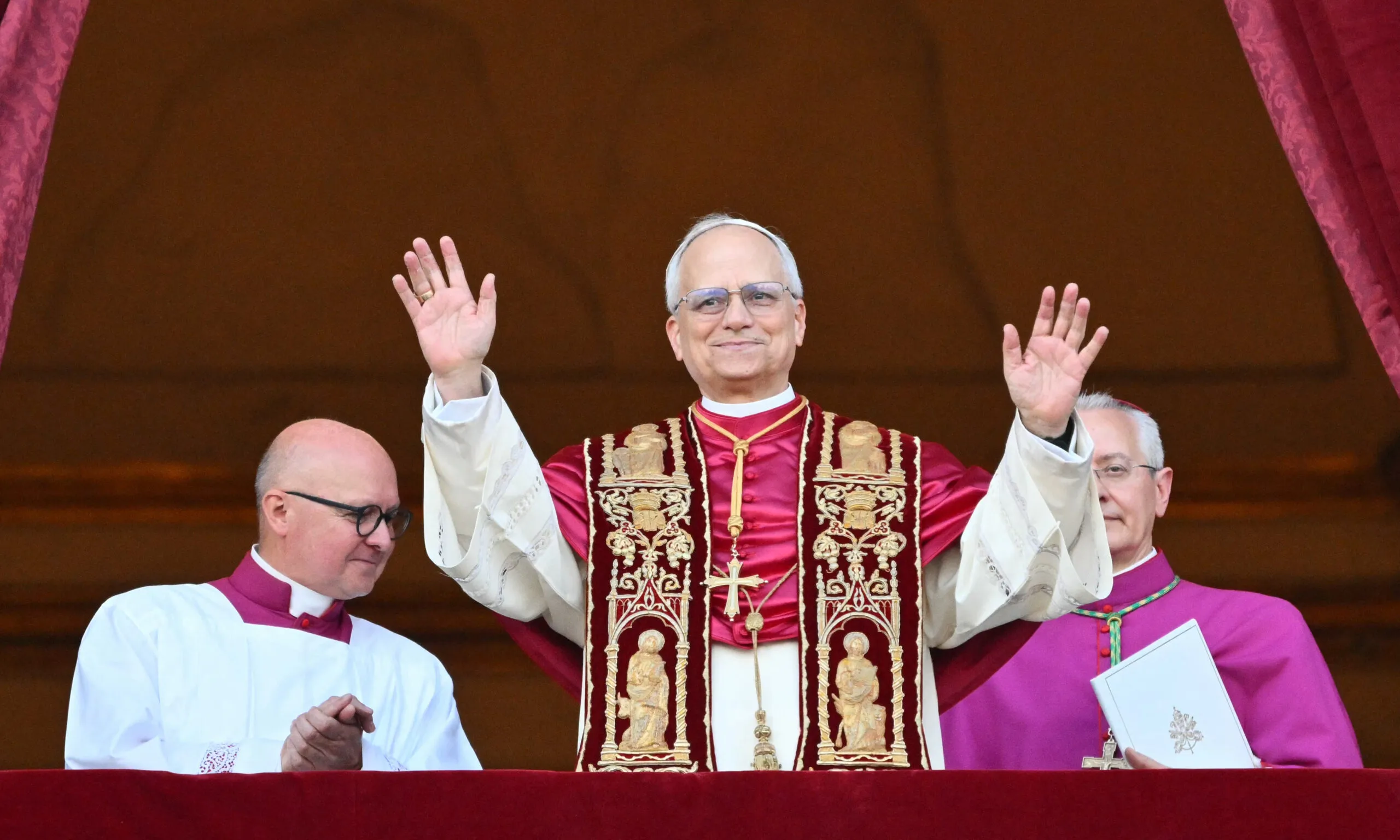
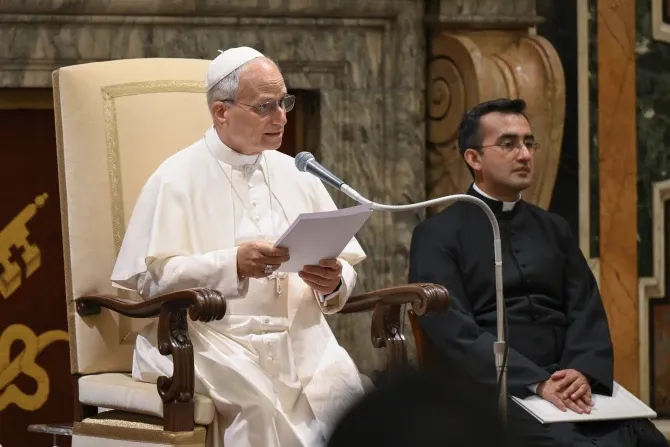
Pope Leo XIV addressed journalists with a blunt warning that language and tactics placing an entire nation under suspicion cannot be tolerated, framing the Iran conflict as a test of political responsibility rather than a contest of endurance. Today, he urged reporters to keep the focus on verifiable harm and the protection of noncombatants, arguing that public debate becomes dangerous when it normalises collective punishment. Live coverage, he said, should avoid amplifying claims that turn fear into policy, because such framing makes restraint harder for decision makers and fuels retaliation. He reiterated that the threat against the entire Iranian people is unacceptable, and he asked media outlets to measure their words against the reality faced by families trying to function under pressure.
Call for Peaceful Negotiations
In the same exchange, the Pope pressed for peace negotiations that begin with clear humanitarian guardrails and credible communication channels, rather than maximalist demands that collapse at the first disagreement. He argued that an Update in diplomacy is overdue, because stalled talks often translate into expanded targeting and shrinking space for mediation. For context on how headlines can pull audiences toward conflict narratives, he referenced wider news cycles while noting that even unrelated reporting can shape public appetite for escalation, as seen in recent European match coverage that dominates attention while crises deepen elsewhere. Today, he appealed for negotiators to pursue incremental deals that protect civilians first, then address wider security questions. He also signalled that neutral intermediaries should be empowered to verify commitments and prevent miscalculation.
Condemnation of Infrastructure Attacks
The Pope’s criticism sharpened when he turned to strikes and sabotage affecting civilian infrastructure, saying that attacks on power, water, hospitals, ports, and transport corridors inevitably punish people with no role in decision making. Live reporting from conflict zones, he noted, often captures the aftermath rather than the intent, yet moral evaluation should begin with foreseeable consequences. He emphasised that civilian infrastructure is not a bargaining chip, because disabling it erodes public health and accelerates displacement, creating new vulnerabilities that outlast any military advantage. He framed this as a baseline principle of international humanitarian law and urged states and armed actors to align operations with protection standards that can be monitored. His comments echoed concerns raised in coverage by Reuters reporting on regional escalation about the cascading effects of infrastructure disruption.
Impact on Iranian Civilians
Focusing on daily life, the Pope described how Iranian civilians bear the immediate cost when basic services falter, with shortages and insecurity tightening the margins for households that were already under strain. He called for an Update that moves beyond casualty counts to document service interruptions, medical access, and the burdens placed on children and older people. He warned that even short periods of instability can have long tails, from missed schooling to chronic illness when clinics cannot operate reliably. He also stressed that humanitarian corridors and deconfliction mechanisms must be protected in practice, not only announced, because paper guarantees collapse when communications fail. To underline the Church’s attention to the human dimension, he pointed readers to a recent message from Tehran’s Catholic leadership describing endurance amid hardship, without turning suffering into spectacle.
Historical Context of Papal Appeals
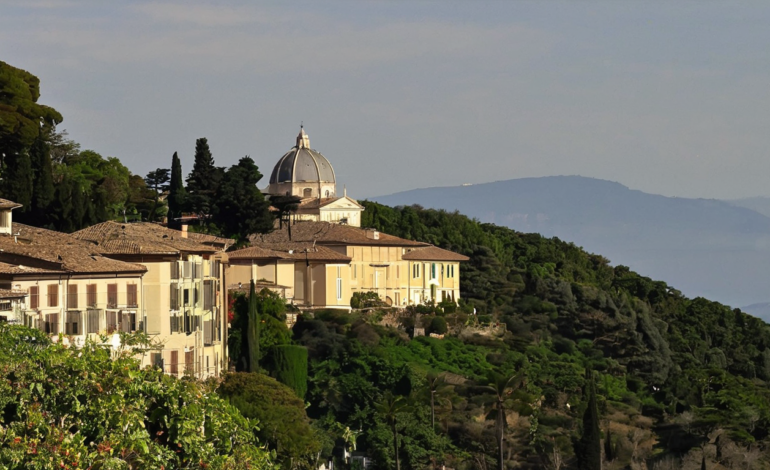
Placing his remarks within the tradition of papal diplomacy, he presented this intervention as consistent with decades of Vatican appeals that prioritise restraint, dialogue, and the protection of innocents during regional crises. Live diplomacy, he suggested, is often misunderstood as passive, yet the Holy See’s method has been to keep lines open when others sever them, and to insist that humanitarian law is a minimum, not a preference. He cited the recurring papal pattern of addressing journalists directly to shape how conflict is narrated, because narratives influence political room for compromise. He linked his current stance to his broader calls from Castel Gandolfo, reflected in his recent peace appeal, while stressing that each crisis requires tailored steps. He also pointed to the official account of the encounter on Vatican News to avoid distortion.
In closing, he returned to first principles, insisting that the threshold for acceptable risk must be set by the lives of ordinary people rather than by abstract strategic goals. Today, he argued, leaders should treat negotiations as the primary arena and military pressure as a last resort bound by enforceable limits, because cycles of escalation are easier to start than to stop. He called for an Update measured by concrete protections, fewer strikes near population centres, reliable utilities, and access for humanitarian actors, rather than by rhetorical victories. Live scrutiny from journalists and civil society, he said, can strengthen accountability when it avoids sensationalism and checks claims against facts on the ground. His final message was disciplined and narrow: protect civilians, preserve essential services, and pursue talks that lower the temperature before they attempt to settle every dispute.