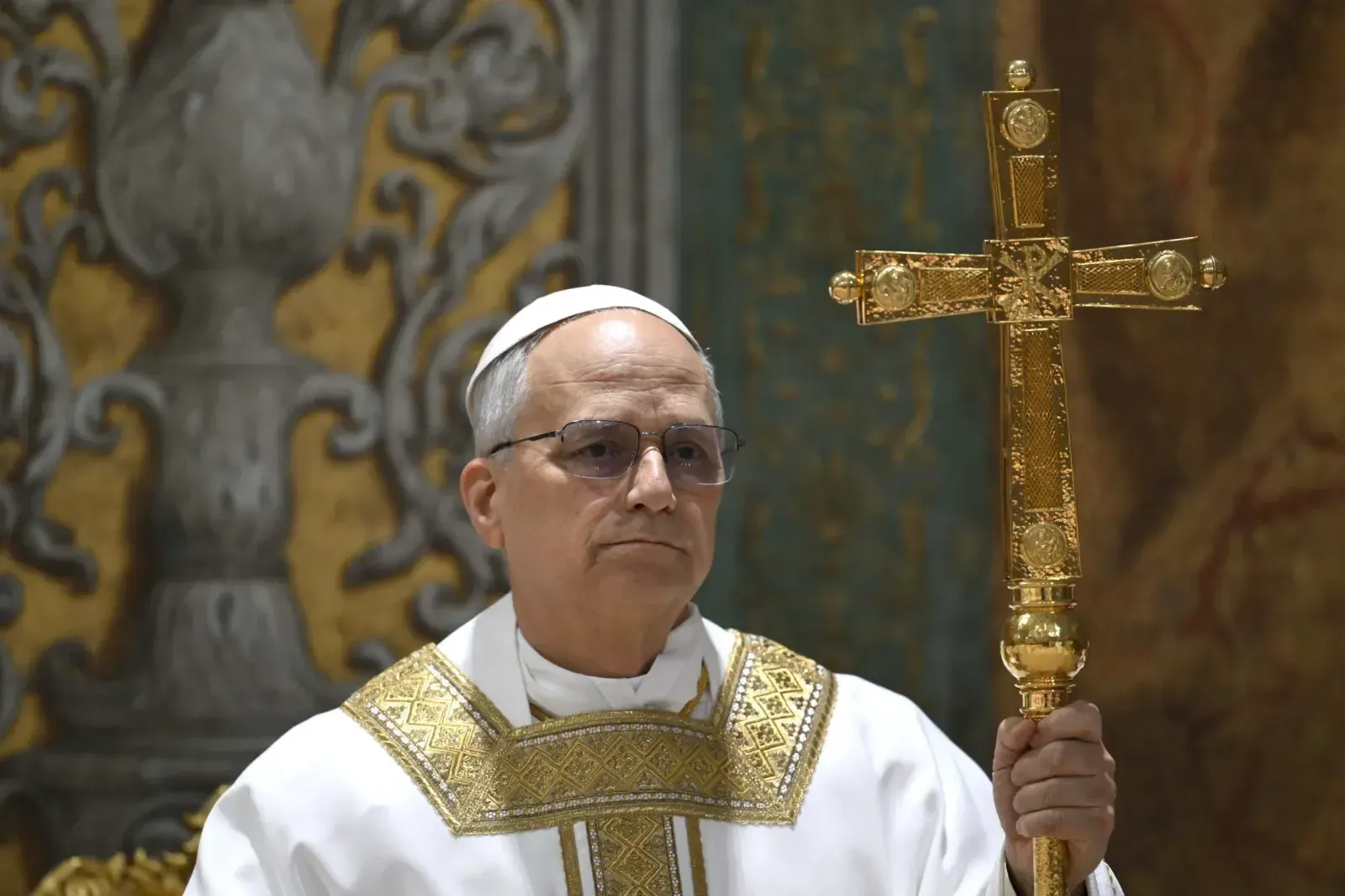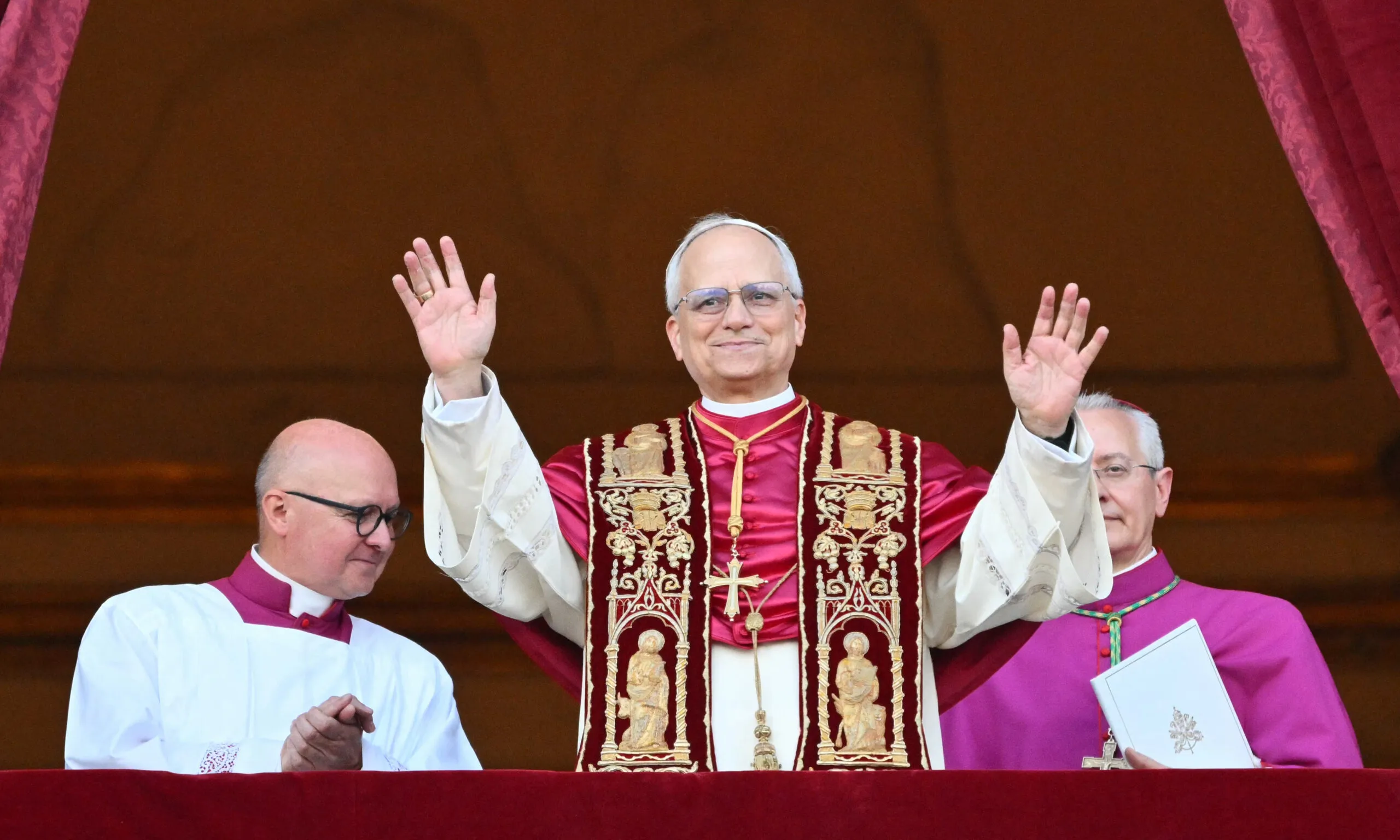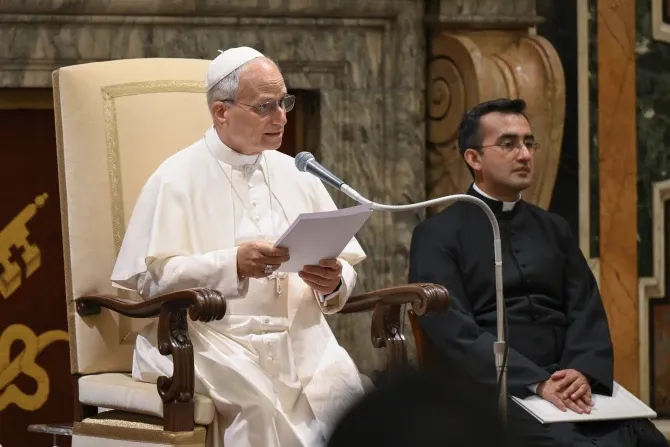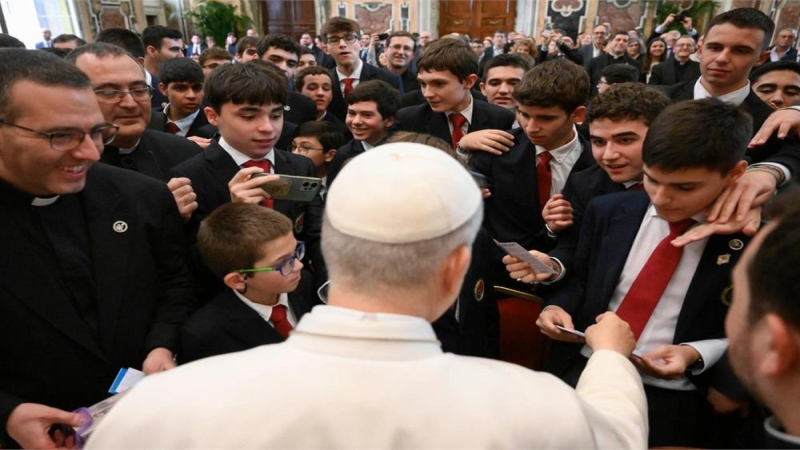


Pope Leo XIV Begins His Pontificate With a Focus on Unity and Moral Repair
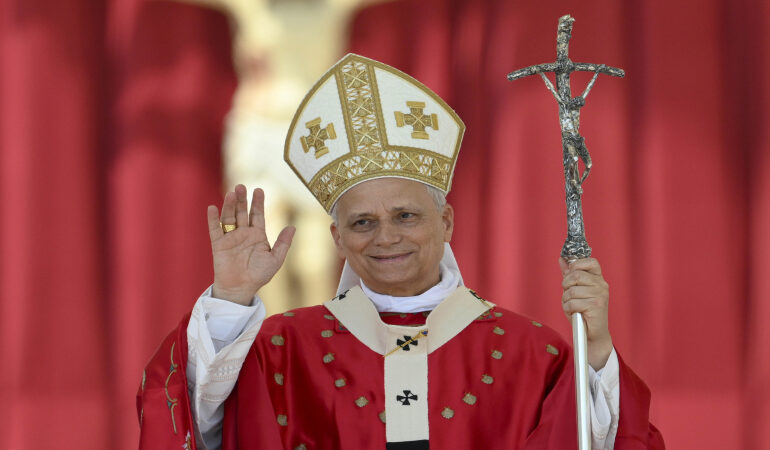

The beginning of Pope Leo XIV’s pontificate arrives at a moment of profound reflection for the Catholic Church. Across continents, communities face social fragmentation, declining trust in institutions, and growing moral uncertainty. Against this backdrop, the new pope’s early messages have stood out for their restraint, clarity, and pastoral tone. Rather than seeking attention through sweeping reforms, Pope Leo XIV has emphasized restoration, dialogue, and ethical responsibility as central to his leadership.
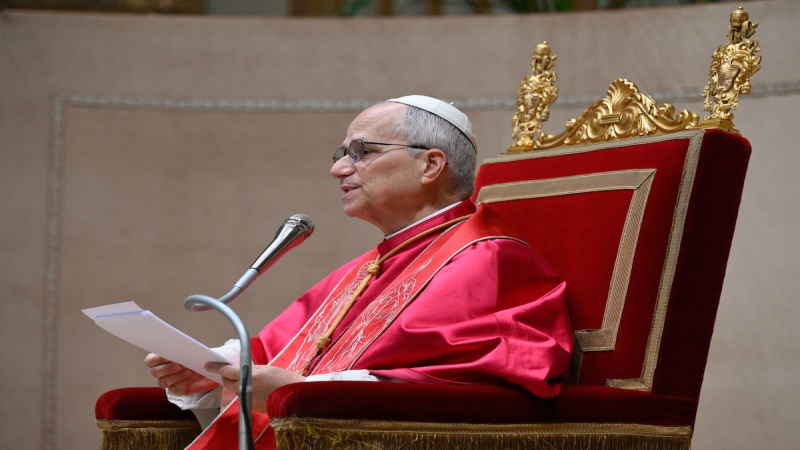
From his first public appearances, Pope Leo XIV has framed his role as one of service and reconciliation. His language reflects an understanding that the Church’s credibility depends not only on doctrinal clarity but also on moral consistency. This approach has resonated with many Catholics who view the present era as a test of the Church’s ability to heal internal wounds while remaining a steady moral voice in the world.
A Call for Unity in a Divided Church
Unity has emerged as the defining theme of Pope Leo XIV’s early pontificate. In his addresses, he has repeatedly spoken about the dangers of division within the Church and the wider world. He has encouraged Catholics to resist ideological labels and instead focus on shared faith, prayer, and mission. This emphasis reflects a recognition that polarization weakens the Church’s ability to witness to the Gospel.
Importantly, Pope Leo XIV has presented unity as an active process rather than a passive ideal. He has called for patience, listening, and humility among clergy and laity alike. By promoting dialogue over confrontation, he signals a leadership style aimed at strengthening communion without suppressing diversity within the global Church.
Moral Repair as a Pastoral Responsibility
Alongside unity, moral repair has been placed at the center of Pope Leo XIV’s vision. He has acknowledged that trust in the Church has been damaged in various regions due to past failures and institutional shortcomings. His response has focused on the need for sincerity, accountability, and a renewed commitment to ethical conduct at every level of Church life.
This emphasis on moral repair is framed as a pastoral duty rather than a political strategy. Pope Leo XIV has spoken about the importance of personal conversion, reminding Church leaders that credibility flows from integrity. By grounding reform in moral responsibility, he seeks to address wounds without undermining the spiritual foundations of the Church.
Continuity With Catholic Tradition
While addressing contemporary challenges, Pope Leo XIV has made clear that his pontificate remains firmly rooted in Catholic tradition. His early homilies reaffirm core teachings on human dignity, solidarity, and the Church’s role as a moral guide. This continuity has reassured those concerned about instability or doctrinal confusion during periods of leadership change.
At the same time, Pope Leo XIV has encouraged thoughtful engagement with modern realities. He has emphasized that tradition is meant to be lived and applied, not merely preserved. This perspective allows the Church to address new ethical questions while remaining faithful to its enduring principles.
A Global Vision for the Church’s Mission
Pope Leo XIV has consistently highlighted the global nature of the Catholic Church. He has drawn attention to regions where faith communities face poverty, conflict, and social change, particularly in Africa, Latin America, and parts of Asia. By doing so, he underscores that the Church’s future is shaped by diverse experiences and challenges.
This global vision is closely tied to the Church’s social mission. Pope Leo XIV has emphasized care for the poor, the displaced, and the marginalized as essential expressions of faith. His approach links moral teaching with concrete action, reinforcing the Church’s responsibility to serve humanity in all its complexity.
Conclusion
Pope Leo XIV’s early leadership points toward a pontificate defined by careful renewal rather than dramatic upheaval. By prioritizing unity and moral repair, he seeks to strengthen the Church’s credibility and restore trust among the faithful. His emphasis on integrity, dialogue, and pastoral responsibility reflects a steady vision for guiding the Church through contemporary challenges with moral clarity and humility.