


Pope Leo XIV’s Key Messages
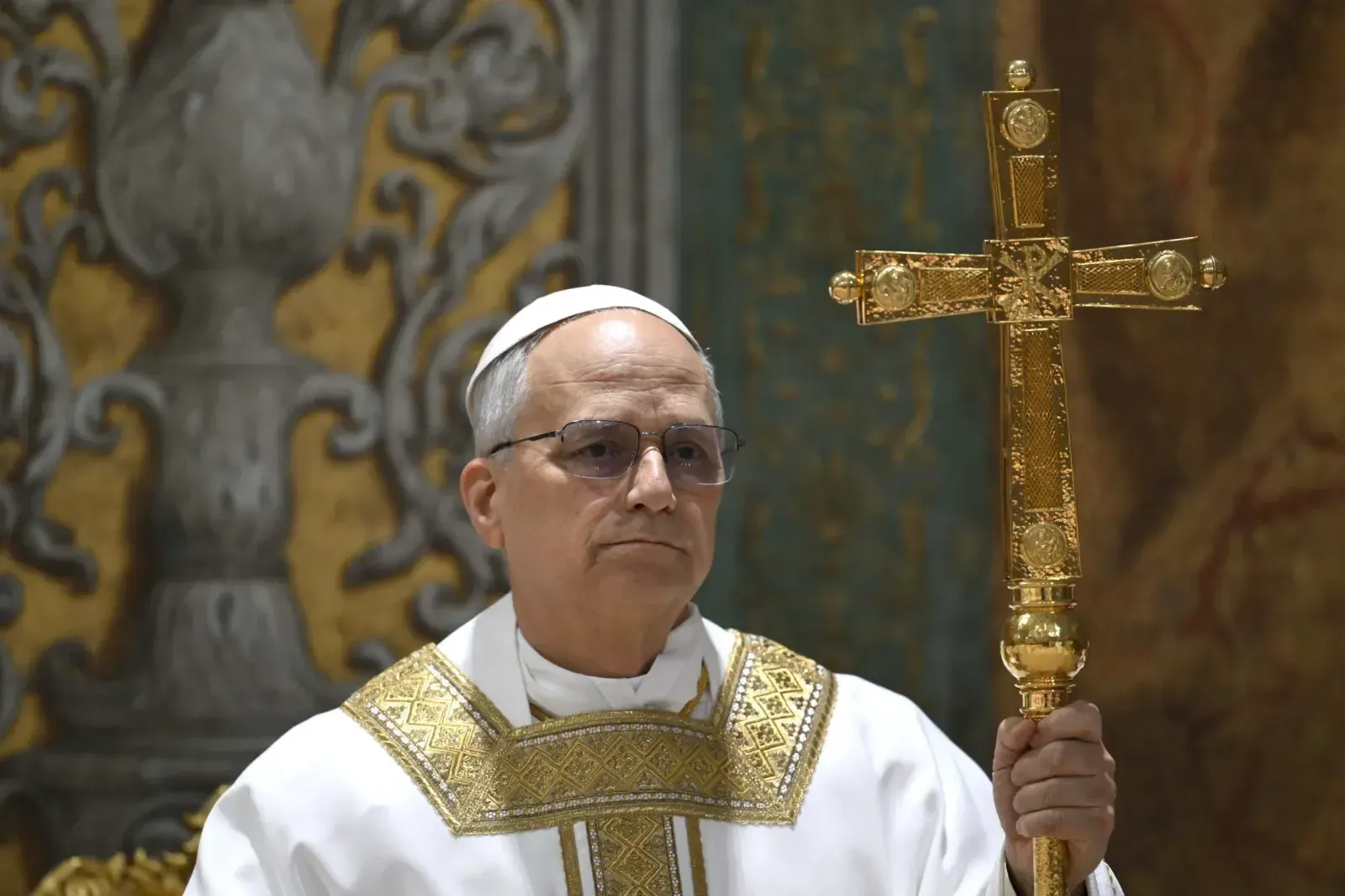
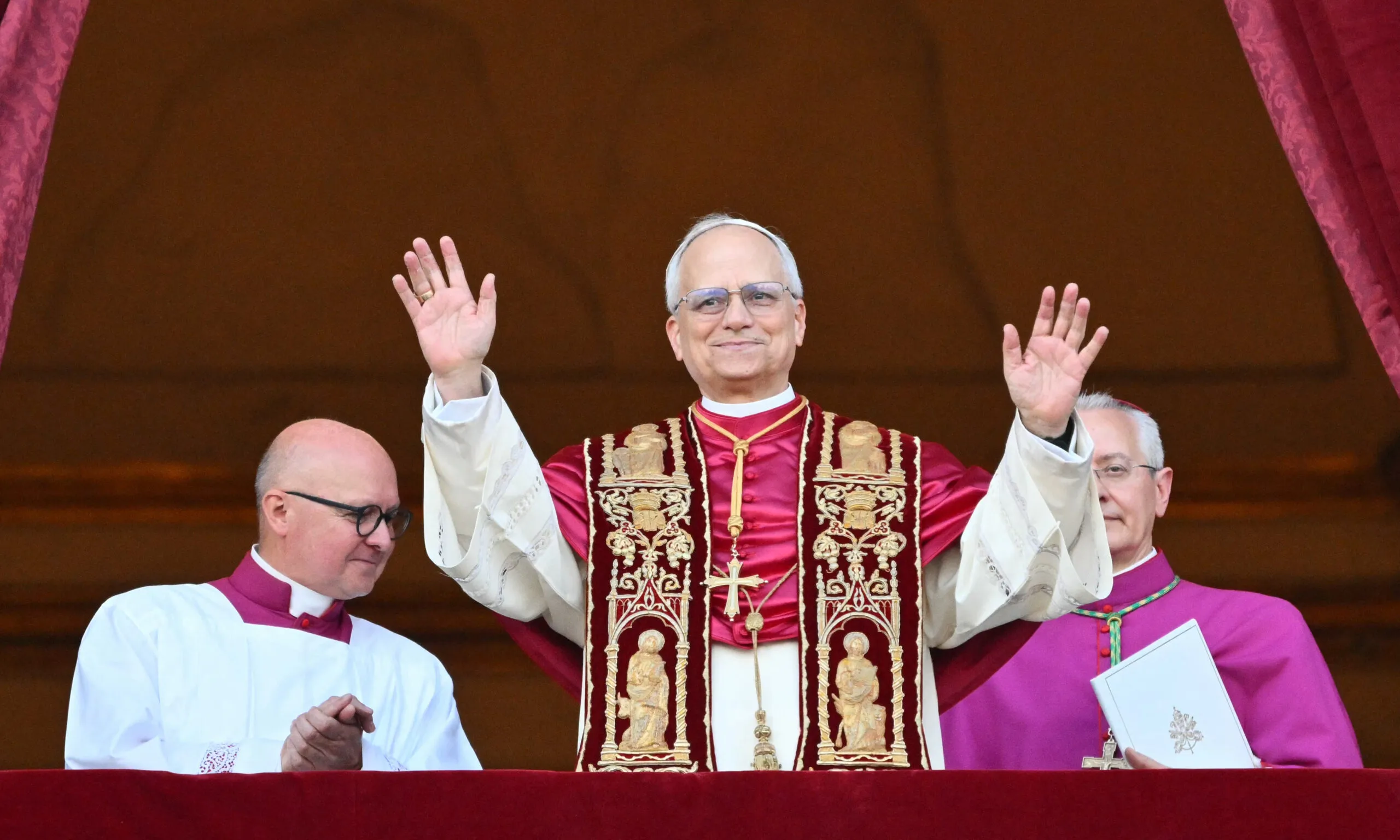
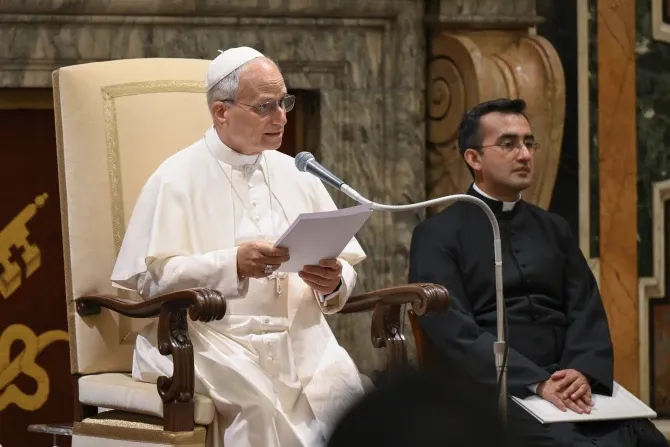
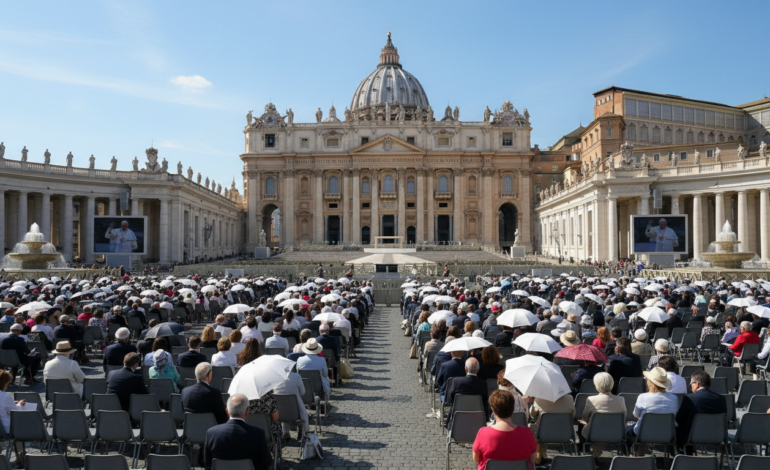
Pope Leo XIV used his audience to press one central point, holiness is not reserved for a spiritual elite, but belongs to every baptized person in the Catholic Church. He framed sanctity as a practical vocation, not an abstract label, and insisted that ordinary fidelity can be extraordinary in God’s sight. Today he linked the call to holiness with daily choices that form character, including prayer that steadies the heart, work done honestly, and patient attention to people who depend on us. His language avoided triumphalism and instead emphasized humility, responsibility, and a clear Gospel horizon. For readers following the audience Live, the message landed as a direct correction to the idea that holiness is for specialists rather than for families, workers, students, and elders.
Understanding ‘Lumen Gentium’
Turning to Lumen Gentium, Pope Leo XIV presented the constitution’s teaching on universal holiness as a guide for pastoral life rather than a museum text. He highlighted how its ecclesiology places sanctity at the center of the Church’s identity, not as an optional devotion, and he treated its logic as relevant to parish routines and diocesan priorities. The Vatican’s own summary of the address offers a useful reference point in the ongoing Update cycle, and readers can consult Vatican News coverage of the audience and its Lumen Gentium focus for the key lines and context. In a separate example of how headlines can pull attention elsewhere, a popular portal piece on European football qualification shows how quickly news cycles shift, which made the Pope’s steady insistence on sanctity feel deliberately countercultural.
Holiness in Everyday Life
On the ground, the Pope’s argument translates into measurable expectations, holiness grows in hidden consistency, and it is tested by deadlines, fatigue, and relationships, not only by dramatic moments. He stressed that sanctity is compatible with imperfect circumstances, and he treated family life, professional obligations, and civic responsibility as arenas where grace can be welcomed or refused. In this approach, universal holiness is not a slogan but a discipline, expressed through truthful speech, clean hands in business, reconciliation after conflict, and a refusal to dehumanize opponents. For communities seeking to keep a Live sense of the audience’s impact, the practical takeaway is pastoral, clergy should preach conversion in ways that connect to real schedules, real temptations, and real anxieties, rather than only to rarefied spiritual ideals. That emphasis reinforces how the Catholic Church evaluates discipleship, by sustained charity over time.
Historical Context of Church Teachings
Pope Leo XIV situated the teaching within the Church’s doctrinal memory without turning the address into a lecture, using history as clarification rather than nostalgia. By returning to Lumen Gentium, he echoed the Council’s move to articulate the Church as a pilgrim people, where sanctity is the shared horizon and not the possession of one class. His tone suggested continuity with earlier spiritual traditions while sharpening the postconciliar emphasis that the laity are not second tier participants in holiness. Today that clarification matters because modern Catholics often receive mixed signals from media, politics, and even internal Church debates about what counts as serious faith. The Pope’s framing answered with a simple yardstick, holiness is measured in communion with Christ and visible love of neighbor, not in prestige or platform. It also implicitly challenged clericalism by locating spiritual dignity first in baptism.
Global Implications for the Faithful
As the audience message travels, its global implications are concrete, it changes how local churches set priorities and how believers judge success. A parish formed by universal holiness invests in formation, confession, Scripture, and works of mercy, but also in ethical coherence in public life, because sanctity cannot be sealed off from social duties. This line of thought aligns with the Pope’s broader insistence that Christians must remain credible witnesses amid conflict and polarization, a theme reflected in his call for Christian witness in war where moral clarity is tested. It also intersects with the fragile conditions faced by schools and charities, as seen in reporting on Jerusalem Christian schools under permit pressure and the quiet endurance of humanitarian partners in aid efforts in southern Lebanon. The broader Update from Rome is that holiness is not an escape from the world, it is the Church’s way of serving it with integrity.