
Pope Leo XIV Calls for Ethical AI Governance in Address to Global Tech Leaders
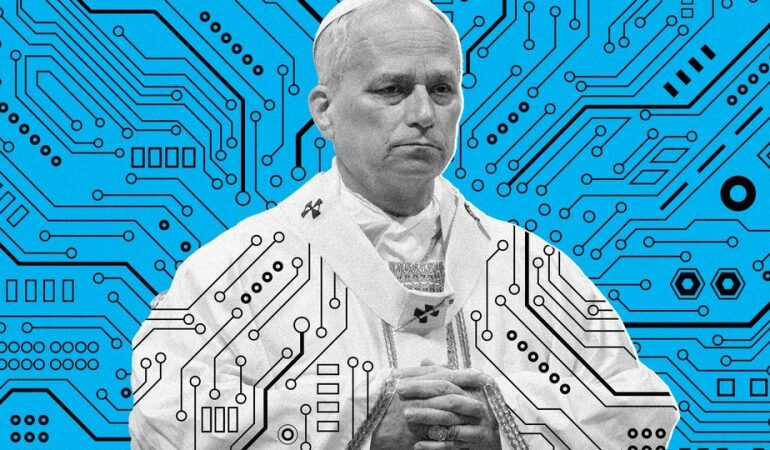

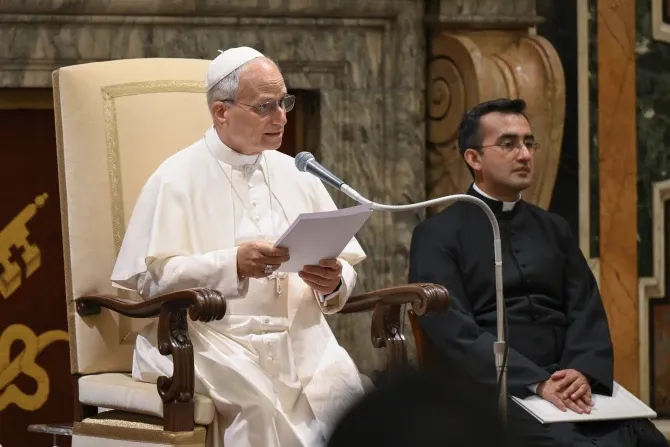
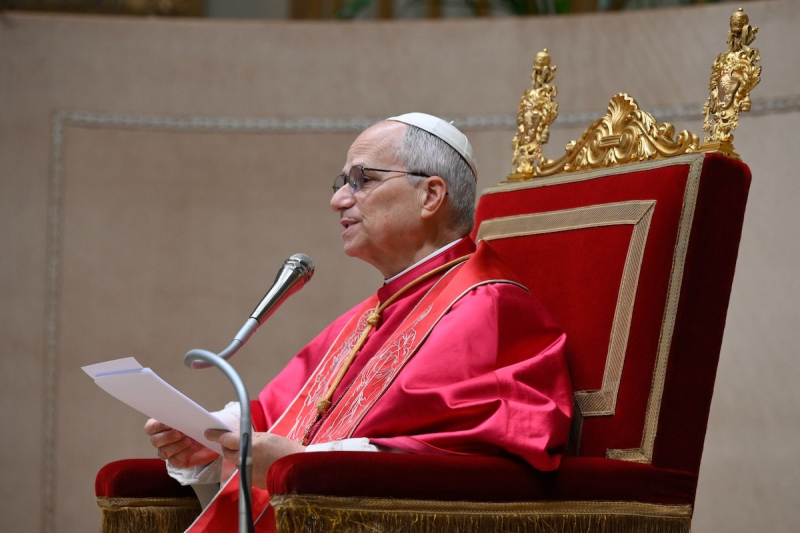
In a rapidly evolving technological landscape, Pope Leo XIV has placed artificial intelligence at the center of his moral and diplomatic agenda. In a recent address to technology executives, policy makers and academic researchers, the Pope emphasized that innovation must remain anchored in human dignity. The speech did not reject technological advancement. Instead, it urged governance structures that ensure artificial intelligence serves humanity rather than destabilizes social cohesion. For observers of Church leadership, the address reflects continuity with Vatican engagement on digital ethics while signaling renewed urgency under Pope Leo XIV.
Artificial Intelligence and Human Dignity
The Vatican’s approach to technology is rooted in the conviction that every human person possesses intrinsic dignity. Pope Leo XIV framed artificial intelligence as a powerful instrument whose ethical direction depends on those who design and regulate it. He warned against reducing individuals to data profiles or economic variables. According to summaries distributed by Vatican News, the Pope called for transparent algorithmic systems and accountability in decision making processes that affect employment, education and healthcare. The concern is not abstract. Automated systems increasingly influence credit access, job recruitment and public information flows. Without safeguards, such systems risk entrenching bias or eroding privacy.
Governance Beyond Innovation
Pope Leo XIV’s message stressed that innovation without governance can magnify inequality. He encouraged collaboration between governments, private firms and civil society to develop clear regulatory frameworks. Ethical review boards, human oversight mechanisms and cross border cooperation were highlighted as essential components of responsible AI deployment. The Vatican’s diplomatic engagement in international forums has consistently advocated for multilateral dialogue on emerging technologies. In this address, the Pope reiterated that technological power should not outpace moral reflection. He urged leaders to ensure that artificial intelligence enhances work rather than displaces human creativity without social support.
Economic and Social Implications
Artificial intelligence carries economic implications that extend beyond efficiency gains. Automation reshapes labor markets and influences capital allocation. The Pope acknowledged potential productivity benefits but emphasized the need for social safeguards. Job transitions require training, and displaced workers require structured support. By linking AI governance to social justice, Pope Leo XIV positioned technological policy within a broader ethical framework. This approach resonates with Catholic social teaching, which emphasizes solidarity and the protection of vulnerable communities. For financial observers, the message underscores the growing intersection between technological infrastructure and macroeconomic stability.
International Cooperation and Peace
The Pope also connected AI governance to global stability. Emerging technologies can be used constructively in healthcare and climate monitoring, yet they also carry risks when integrated into military systems or misinformation campaigns. Ethical standards therefore contribute not only to economic fairness but also to peace. By encouraging international agreements on responsible AI development, Pope Leo XIV reinforced the Vatican’s longstanding commitment to diplomacy and conflict prevention. The call reflects recognition that technological systems operate across borders and require coordinated oversight.
Institutional Consistency
The Vatican has previously hosted conferences on digital ethics and supported initiatives promoting human centered technology. Pope Leo XIV’s address builds upon this foundation while emphasizing implementation. Ethical declarations must translate into regulatory practice. Clear communication from the Holy See strengthens its moral authority in global discussions. The speech signals that technological governance will remain a priority theme in papal diplomacy.
Conclusion
Pope Leo XIV’s call for ethical AI governance highlights the Church’s insistence that technological progress remain subordinate to human dignity and social responsibility. By advocating transparency, accountability and international cooperation, the Pope situates artificial intelligence within a moral and diplomatic framework aimed at safeguarding both economic justice and global stability.