


Pope Leo XIV Calls for Ethical Use of Technology in Society During Meeting With Academic Leaders


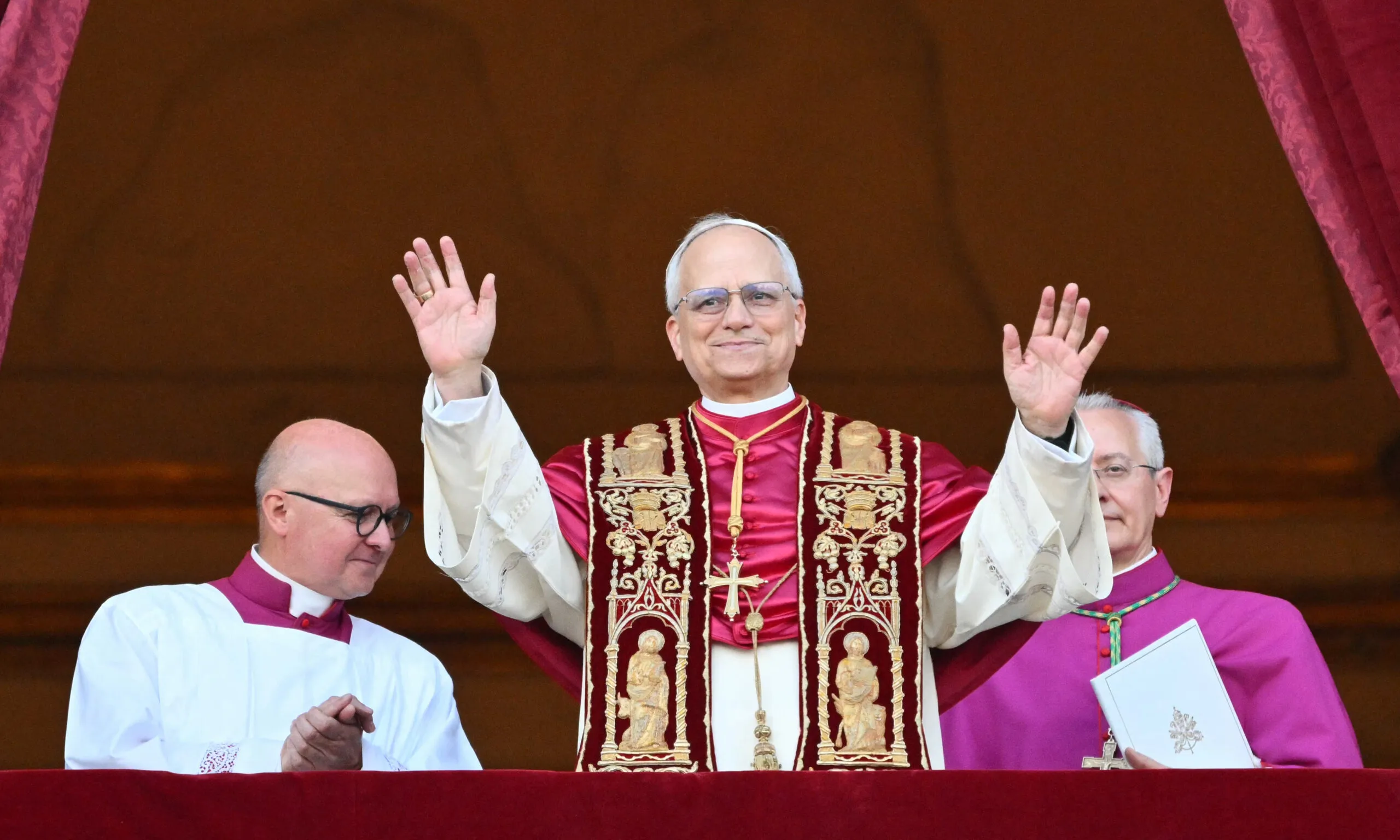
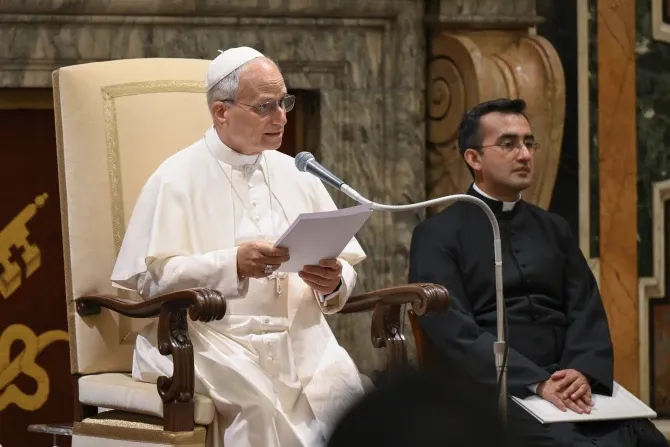
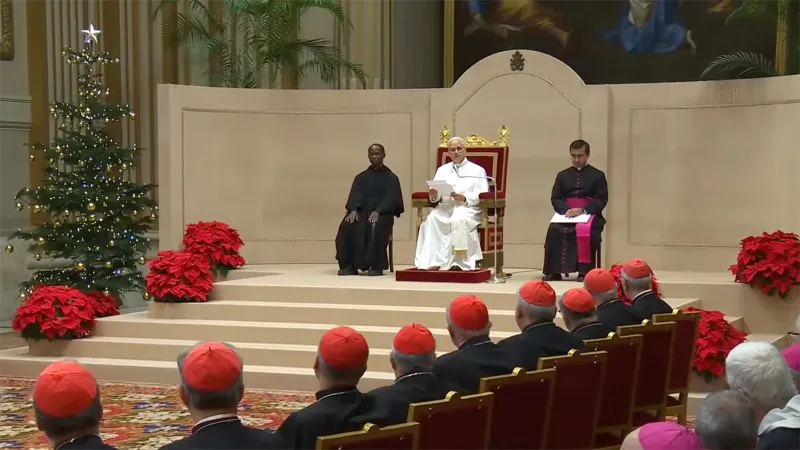
Technological innovation continues to reshape modern society, influencing economic systems, communication networks and cultural life across the globe. During a recent meeting at the Vatican with a delegation of international academic leaders, Pope Leo XIV emphasized the importance of ensuring that technological development remains guided by ethical responsibility. Addressing scholars from universities and research institutions, the Pope highlighted the growing influence of digital technologies and artificial intelligence while warning that innovation must not advance without moral reflection. For the Vatican, the intersection of technology and ethics has become an increasingly significant topic in global dialogue.
Technology and the Moral Responsibility of Innovation
In his remarks, Pope Leo XIV argued that technology must serve human dignity and social well being. Developments in artificial intelligence, data systems and digital communication have introduced unprecedented capabilities, yet these tools also carry risks when applied without ethical consideration. Reports summarized through Vatican News indicate that the Pope encouraged universities to integrate ethical reflection into research programs and technological development. Academic institutions play a critical role in shaping how new technologies are designed and deployed. According to the Pope, innovation should not be evaluated solely by technical efficiency or commercial success but also by its contribution to the common good.
Academic Institutions and Ethical Dialogue
Universities have historically served as centers of intellectual debate where scientific discovery and philosophical reflection interact. Pope Leo XIV reminded academic leaders that education systems must prepare future researchers to consider the social consequences of technological progress. Ethical dialogue within academic communities helps identify potential risks associated with emerging technologies, including data misuse, digital inequality and automation’s impact on employment. By fostering interdisciplinary collaboration between scientists, economists and ethicists, universities can ensure that technological innovation remains grounded in human values.
Artificial Intelligence and Social Responsibility
Artificial intelligence has become a focal point of ethical discussion within the global technology sector. Automated systems increasingly influence financial markets, healthcare decisions and public administration. Pope Leo XIV stressed that the design of such systems must respect human autonomy and accountability. Algorithms should not replace ethical judgment or undermine democratic processes. The Pope encouraged policymakers and technology companies to develop regulatory frameworks that ensure transparency in digital systems. Responsible governance of artificial intelligence can prevent technological advances from eroding social trust.
Digital Inequality and Global Development
Another concern raised during the meeting involved the growing divide between societies that benefit from advanced technology and those lacking access to digital infrastructure. Unequal technological development can deepen economic disparities and limit educational opportunities. The Vatican’s diplomatic engagement through the Holy See has frequently emphasized the importance of inclusive technological development. Pope Leo XIV urged academic institutions and international organizations to support initiatives that expand digital education and infrastructure in underserved regions. Such initiatives contribute to economic opportunity and social inclusion.
Technology and the Common Good
The Pope’s message ultimately focused on the concept of the common good, a principle deeply rooted in Catholic social teaching. Technological progress should contribute to social stability, environmental sustainability and human flourishing. When innovation is guided by ethical principles, technology becomes a tool for advancing justice and solidarity. Conversely, when economic incentives dominate decision making, technological systems can unintentionally harm vulnerable communities. Pope Leo XIV encouraged continued dialogue between scholars, policymakers and faith leaders to ensure that technological transformation benefits society as a whole.
Conclusion
Pope Leo XIV’s call for ethical use of technology highlights the Vatican’s commitment to guiding global innovation through moral reflection and social responsibility. By encouraging academic institutions and policymakers to prioritize human dignity and the common good, the Pope reinforces the importance of ensuring that technological progress remains aligned with ethical principles in an increasingly digital world.