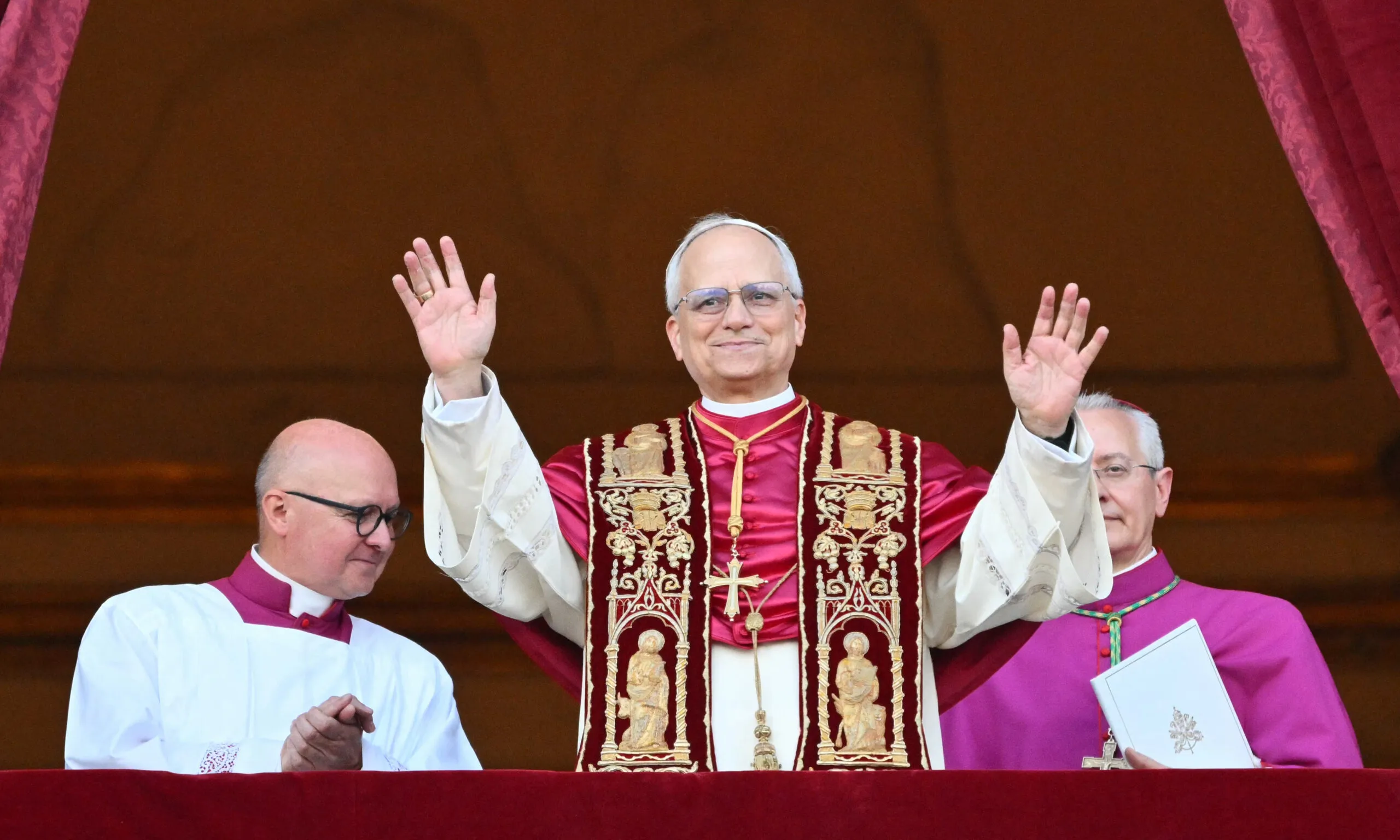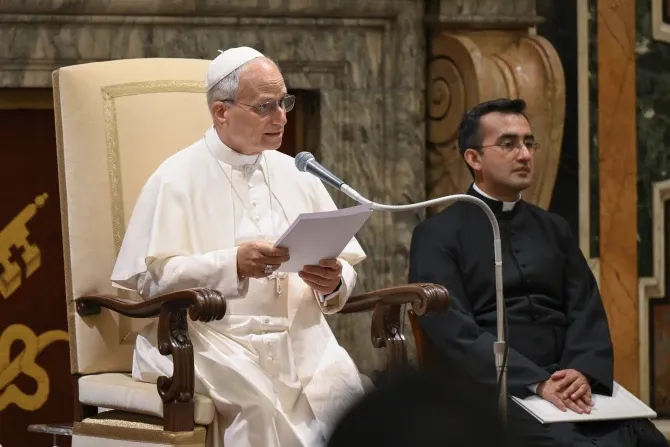
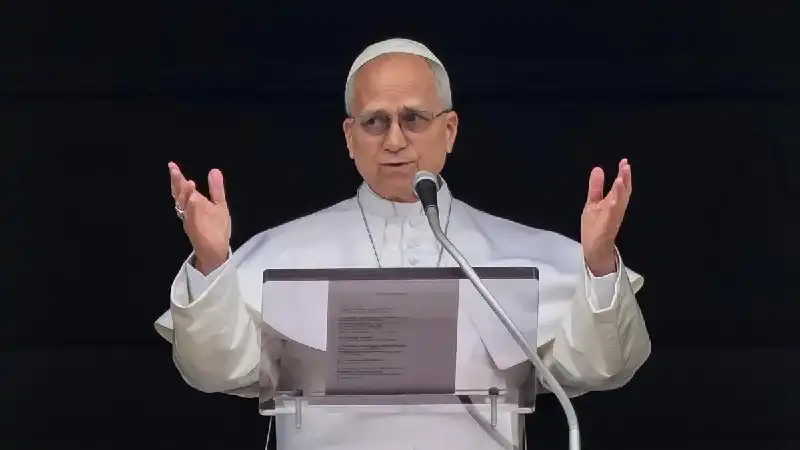



Pope Leo XIV Calls for Responsible Artificial Intelligence Governance During Vatican Technology Forum
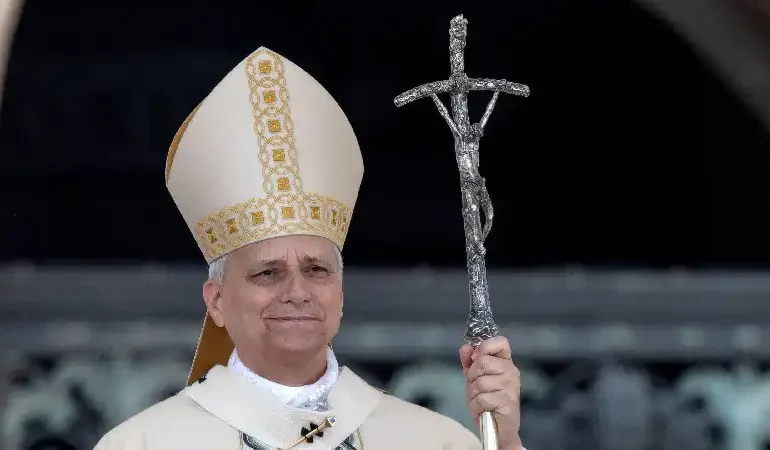

Artificial intelligence has become one of the most influential technologies shaping economic systems, public administration and social life. During a Vatican technology forum in 2026, Pope Leo XIV emphasized the importance of guiding artificial intelligence through ethical responsibility and human centered governance. The Pope noted that rapid technological innovation offers enormous opportunities for development but also introduces new risks for social stability. As digital systems increasingly influence economic and political decisions, institutions must ensure that technological progress remains aligned with human dignity. His remarks highlight the Vatican’s growing engagement with debates surrounding the governance of emerging technologies.
Artificial Intelligence and Human Responsibility
The rapid development of artificial intelligence has raised important questions about how technology should serve society. Systems capable of analyzing large volumes of data are now used in financial markets, healthcare planning and public policy decisions. Pope Leo XIV stressed that such capabilities must always remain subject to human oversight. Technology should assist decision making rather than replace ethical judgment. Responsible governance requires clear rules that define accountability when automated systems influence social outcomes. The Pope encouraged policymakers, researchers and technology companies to collaborate in establishing safeguards that protect human dignity while supporting responsible innovation.
Ethical Frameworks for Digital Technology
Developing ethical frameworks for artificial intelligence has become a priority for many institutions worldwide. These frameworks seek to ensure that technological development respects transparency, fairness and accountability. Pope Leo XIV emphasized that ethical reflection must accompany scientific progress. Universities, research institutions and technology companies all play a role in shaping how artificial intelligence is designed and deployed. Ethical guidelines can help prevent systems from reinforcing discrimination or undermining democratic processes. By encouraging dialogue between engineers and ethicists, institutions can create technologies that support both innovation and social responsibility.
Economic Impact of Artificial Intelligence
Artificial intelligence is also transforming economic systems and labor markets. Automated technologies can increase efficiency and productivity across industries. At the same time, they raise concerns about employment stability and workforce adaptation. Pope Leo XIV noted that economic progress must not ignore the social consequences of technological change. Policies supporting education and workforce development are essential for ensuring that technological transformation benefits society as a whole. When innovation is combined with inclusive economic planning, artificial intelligence can contribute to sustainable development rather than social disruption.
Technology and the Common Good
The concept of the common good remains central to evaluating technological progress. According to Catholic social teaching, economic and technological systems should promote human dignity and social cooperation. Artificial intelligence must therefore be developed with consideration for its broader impact on communities and institutions. The Pope encouraged leaders in technology and public policy to ensure that digital systems serve humanity rather than narrow economic interests. When innovation reflects ethical responsibility, technology becomes a powerful instrument for improving education, healthcare and global communication.
Dialogue Between Institutions and Technology Leaders
Addressing the challenges associated with artificial intelligence requires cooperation between governments, academic institutions and technology companies. Pope Leo XIV highlighted the importance of dialogue among these actors in shaping responsible digital governance. International collaboration can help establish shared standards for transparency, accountability and ethical oversight. By promoting open discussion about the risks and opportunities of artificial intelligence, global institutions can guide technological development toward outcomes that support social stability and economic progress.
Conclusion
Pope Leo XIV’s call for responsible artificial intelligence governance reflects the Vatican’s broader commitment to ensuring that technological progress respects human dignity and ethical responsibility. By encouraging cooperation between policymakers, researchers and technology leaders, the Pope highlights the importance of guiding innovation toward outcomes that benefit society as a whole.