

Pope Leo XIV Declares Father Flanagan Venerable, Advancing Cause for Sainthood

Pope Leo XIV has declared Father Edward Flanagan, founder of Boys Town, venerable, marking a significant step in his path toward sainthood and recognizing a life shaped by service to vulnerable children. The decree was approved during a Vatican meeting with Cardinal Marcello Semeraro, Prefect of the Dicastery for the Causes of Saints, and affirms the priest’s heroic virtues. With this recognition, Father Flanagan now holds the title of Venerable, and his cause will proceed through further stages that require verified miracles before beatification and canonization. The announcement highlights the Church’s continued effort to identify figures whose lives embody enduring Christian values.
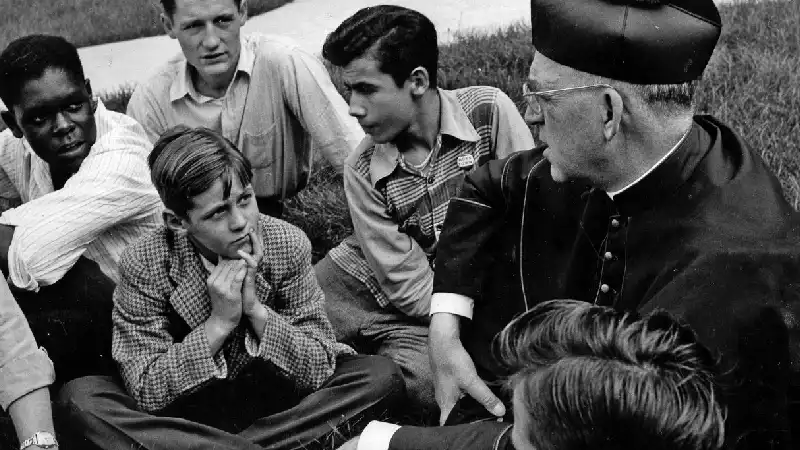
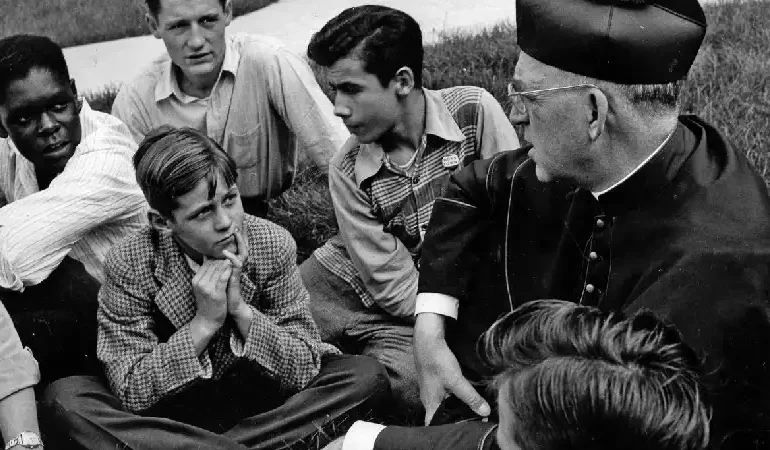
Born in Ireland in 1886, Flanagan emigrated to the United States as a young man and later founded Boys Town in Nebraska, beginning with a small group of boys in need of care and guidance. His vision centered on the belief that every child deserved dignity, education and opportunity, regardless of their background. Over time, what started as a modest initiative developed into a structured community offering housing, schooling and support services for youth facing hardship. His work gained national and international recognition, reflecting a model of care rooted in compassion and responsibility.
Church leaders have emphasized that Flanagan’s legacy extends beyond the institution he created, pointing to his commitment to transforming the lives of children through a philosophy grounded in hope rather than punishment. His approach challenged prevailing attitudes of the time, promoting the idea that social conditions, rather than inherent character, shaped behavior. This perspective influenced broader conversations about child welfare and rehabilitation, aligning closely with Catholic social teaching on human dignity and care for the vulnerable. His work continues to serve as a reference point for faith based and social initiatives focused on youth development.
Flanagan’s influence also reached beyond the United States, as he was invited to advise on child welfare in regions affected by war, including parts of Europe and Asia. His advocacy for humane treatment of children in institutional settings gained recognition over time, particularly as later findings confirmed concerns he had raised decades earlier. These efforts contributed to his reputation as a figure of moral conviction and practical action, reinforcing the significance of his mission within both religious and social contexts.
The recognition of his heroic virtues reflects a broader understanding of sanctity that includes dedication to social service and the transformation of communities through faith driven action. As the Church continues to examine his life and legacy, the advancement of his cause serves as an example of how commitment to justice, compassion and human dignity can be understood as expressions of spiritual witness. The next stages of the process will focus on verifying miracles attributed to his intercession, as his path toward sainthood continues within the Church’s discernment framework.