





Pope Leo XIV’s Easter Peace Message
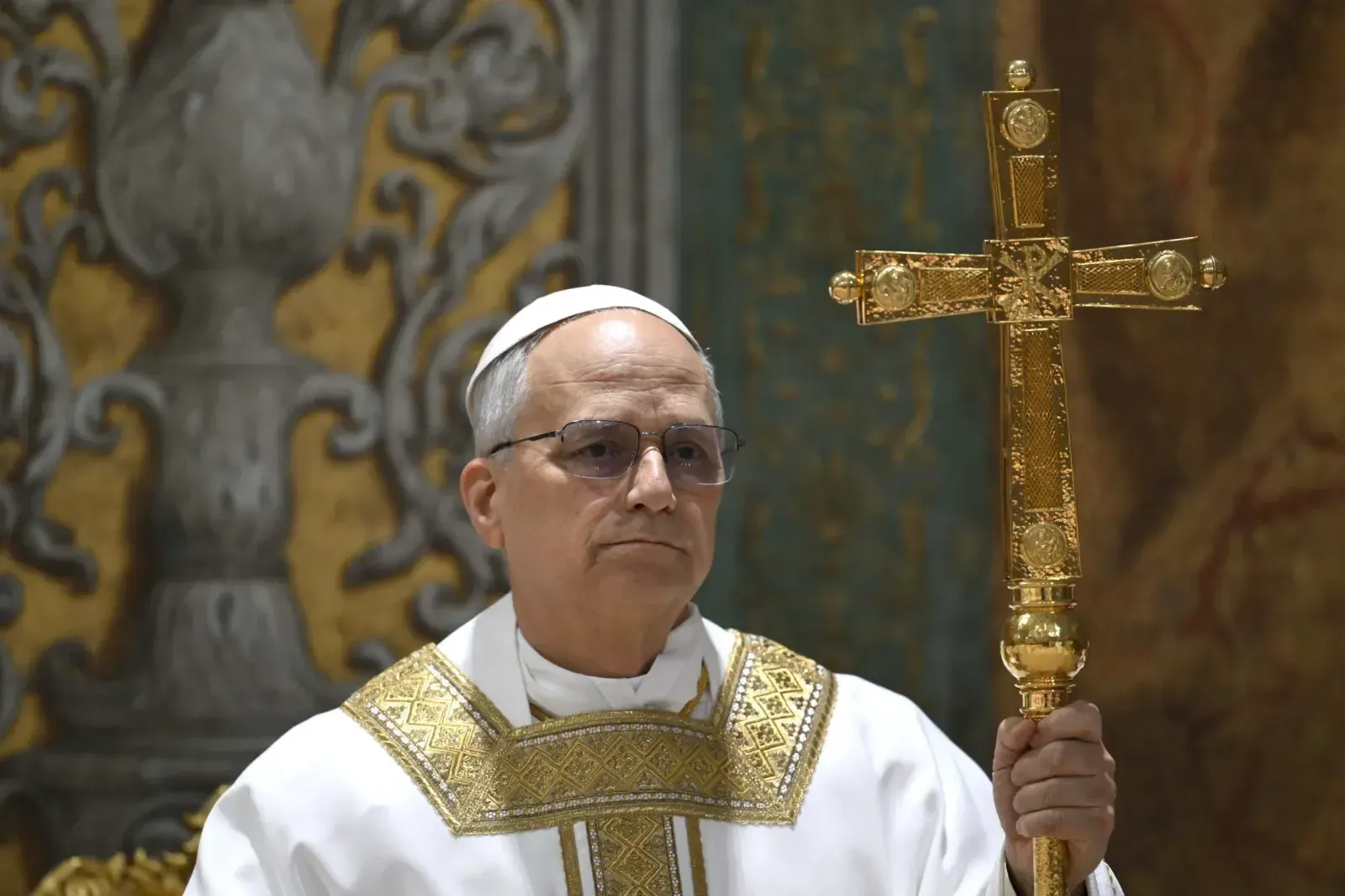
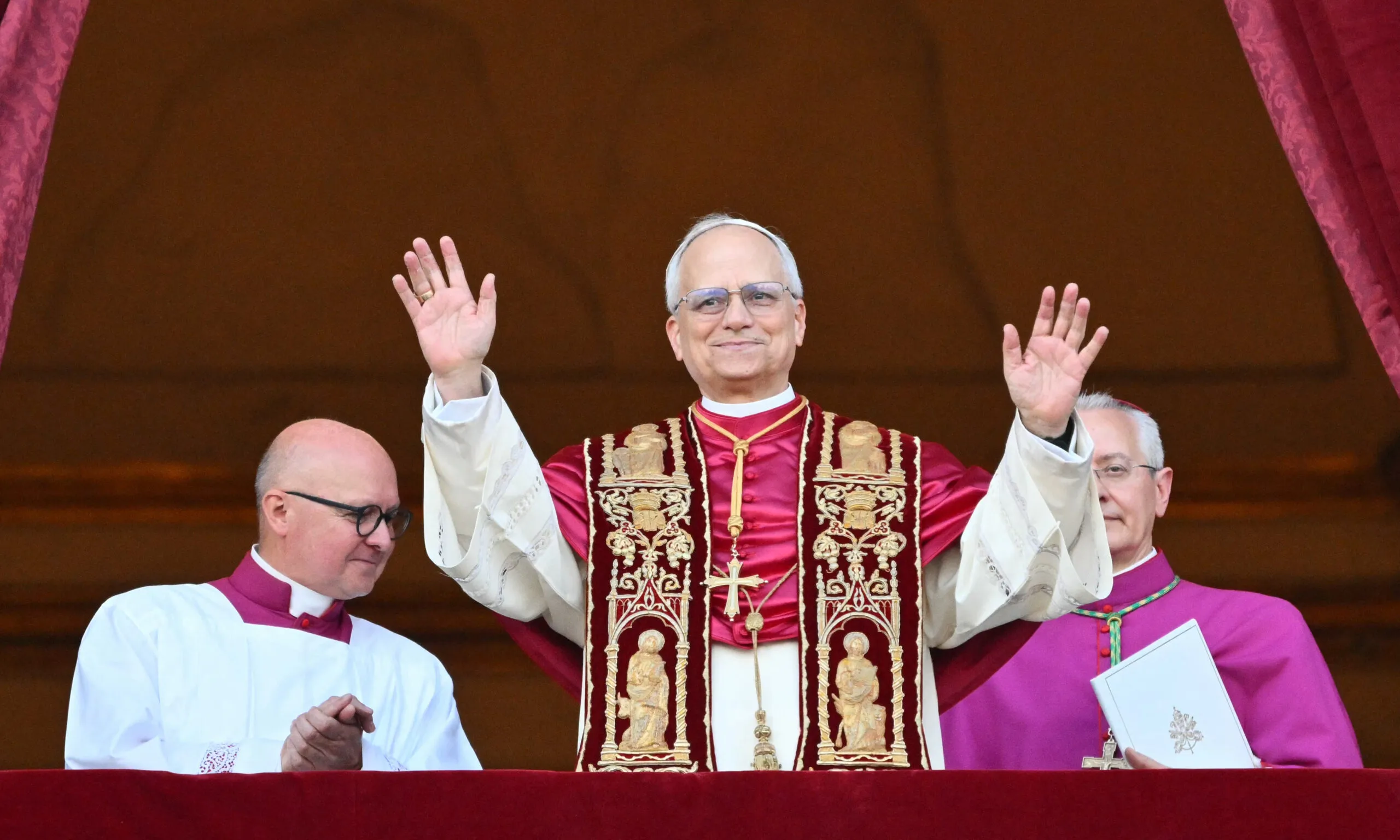
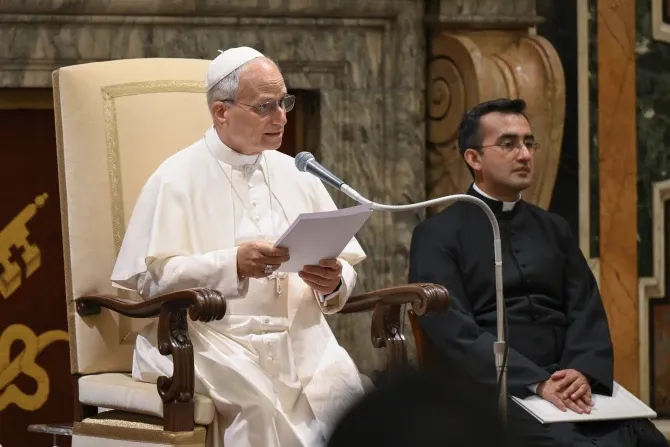
Pope Leo XIV’s Easter message set an unambiguous tone, peace is not framed as a slogan but as a demand for immediate restraint, humanitarian corridors, and credible dialogue. The Pope’s wording treated war’s victims as the primary measure of politics, insisting that the dignity of civilians must outweigh military advantage. Today, his appeal was carried as a headline across Church channels and quickly echoed in diplomatic reporting, because it tied prayer to practical obligations, access for aid, protection for the displaced, and an end to collective punishment. Rather than offering distant consolation, he spoke in active verbs, calling decision makers to stop targeting noncombatants and to reopen negotiations with verifiable commitments. The speech’s cadence also underlined accountability, urging leaders to choose mercy over escalation.
The Importance of Non-Violence in Easter
In the Holy Week message that followed, the emphasis on non-violence was presented as a strategic moral force, not passive withdrawal. He argued that Easter’s “non-violent” power is visible when communities reject revenge narratives and insist on lawful, monitored steps that reduce harm. This Easter peace appeal also stressed that public language matters, leaders should dehumanize no one, and media should resist war-as-sport framing. Vatican peace initiatives were described as steady work, behind-the-scenes facilitation, outreach to religious actors, and pressure for humane treatment of prisoners. In Live coverage of the Vatican’s liturgies, the same thread returned, non-violence is measured by outcomes, safer streets, protected sanctuaries, and opened routes for medicine. The Pope’s approach kept the focus on preventing new atrocities, not debating past grievances.
Global Responses to the Pope’s Appeal
Reactions to the Pope’s appeal were swift, with officials and civil society groups seizing on his insistence that humanitarian law be treated as a baseline, not a bargaining chip. The Vatican’s communications highlighted diplomatic contacts and charitable mobilization, while international desks treated the message as part of a rolling moral barometer on multiple fronts. The clearest institutional reference point remained the detailed reporting at Vatican News coverage of the Pope’s Easter and Holy Week peace appeals, which laid out the central demands and the contexts he cited. In one illustrative example of how news cycles can collide, even unrelated sports coverage such as a Champions League semifinal report appeared alongside wider world briefings that referenced the papal intervention. Today, several faith-based NGOs said the wording helps them press for access and safer evacuations.
Historical Context of Papal Peace Appeals
Papal peace appeals carry weight when they translate doctrine into repeatable diplomatic language, and Leo XIV’s framing fit that pattern by pairing moral clarity with actionable priorities. The historical continuity is visible in the insistence on protecting innocents, condemning indiscriminate violence, and calling for negotiations that can be verified. What stands out in this cycle is the tight linkage between liturgical time and policy time, with Easter used as a forcing mechanism for ceasefire discussions and aid logistics. The Pope avoided vague generalities, opting for lines that can be quoted at negotiating tables, such as the primacy of life and the rejection of retaliation as a political program. An Update circulated through Catholic media also connected the appeal to ongoing Vatican contacts, reinforcing that the Holy See sees patient mediation as a long game rather than a one-day statement.
The Role of Faith in Promoting Global Peace
The Pope’s argument ultimately treated faith as a public resource for de-escalation, capable of shaping conscience, strengthening civic courage, and sustaining long negotiations when headlines move on. He pressed bishops, parish networks, and Catholic charities to align prayer with measurable acts, funding emergency relief, supporting trauma care, and maintaining channels for dialogue at local levels. The role of witnesses, he suggested, is to refuse the easy rhetoric of winners and losers, and to insist on reconciliation practices that rebuild trust. An internal Church reading of the Pope Leo XIV Easter message has been consolidated in Vatican Threads analysis of hope and peace themes, while a separate report on regional tensions in coverage of appeals amid the Iran conflict shows how the Vatican applies the same standards across crises. Live observances closed with the same non-violent insistence, and a second Update reiterated that peace requires institutions, not only emotion.