

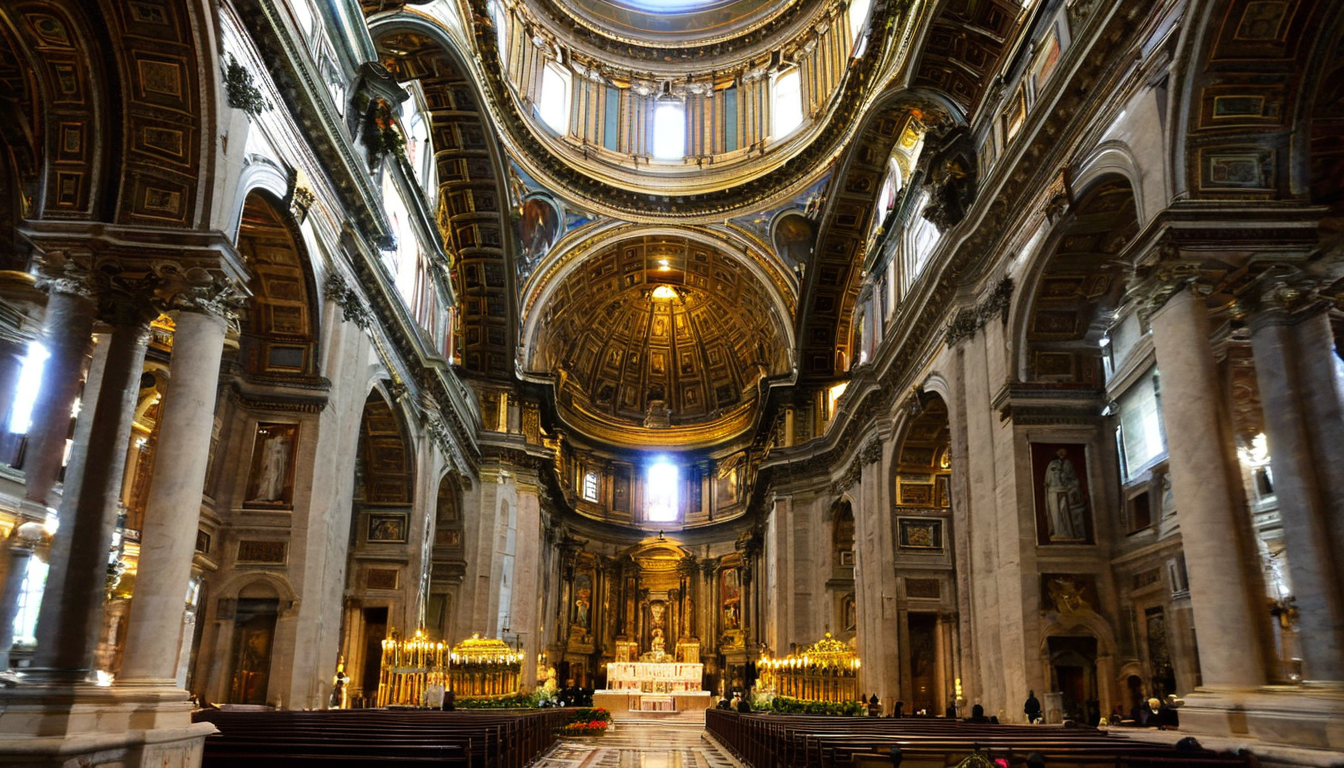

Easter’s Significance in Pope Leo’s Message
Pope Leo XIV’s Easter message placed peace and hope at the center of his proclamation, treating the Resurrection not as a seasonal slogan but as a decisive turn in the Church’s public voice. He anchored the day’s meaning in the claim that fear does not get the final word, then connected that theological core to concrete responsibilities, refusing to separate worship from the moral demands of public life. Today his language was direct and sober, presenting Easter as a force that reopens horizons for communities worn down by violence and distrust. In the same breath, he insisted that reconciliation is not sentimental, it is a disciplined choice that begins with truth, mercy, and patience.
The Theme of Hope in Easter Celebrations
In the Easter hope he described, Pope Leo framed Christian confidence as something tested in adversity, not a mood that depends on favorable headlines. He emphasized that the Resurrection changes the calculation of despair, because it offers a horizon that does not collapse when institutions fail or when relationships fracture. That theme was reinforced by his insistence that prayer must mature into a readiness to listen, to forgive, and to protect the vulnerable, especially where conflict has normalized cruelty. For readers following the Vatican’s wider coverage of current events, the contrast between moral urgency and public distraction was sharp, even in a Live news environment where attention shifts quickly. Related context on recent Vatican commentary can be read at Pope Easter message underscores hope amid tensions, which tracks how hope is presented as duty rather than escape.
Pope Leo’s Address: Impact and Reactions
Reaction to the Papal address showed how quickly the message traveled beyond St Peter’s Square into diplomatic and pastoral conversations, where its tone of firmness and restraint landed with unusual clarity. The Pope’s appeal for peace was received as an attempt to steady the Church’s moral compass, especially in places where social cohesion is under stress and religious language is exploited for division. The most widely cited lines echoed the Vatican’s official coverage, with many outlets pointing readers to Vatican News reporting on Pope Leo’s Easter message for the full text and context. An Update in several diocesan statements highlighted how the Pope’s words are being used in homilies and aid coordination, while a separate unrelated sports storyline circulated via Barcelona power past Real Madrid into UCL semis, illustrating how the Easter appeal competed with the day’s loudest global feeds.
Comparative Analysis: Easter Messages from Past Popes
Placed alongside Easter messages from past popes, Pope Leo’s approach stood out for how tightly he welded the Resurrection claim to the daily mechanics of peacemaking. Where earlier pontificates often expanded the panorama with sweeping historical references, Leo’s rhetoric was leaner, favoring actionable moral language over broad diagnosis. He did not abandon the tradition of naming suffering and praying for those trapped by war, but he pressed harder on personal and communal responsibility, stressing that peace begins in the conversion of habits, speech, and priorities. That emphasis aligns with recent Vatican communications that frame dialogue as a skill to be practiced, not a slogan to be repeated, such as Pope’s Easter message calls for peace and dialogue. Today, the comparison suggests continuity in doctrine but a sharper insistence on accountability in public life.
Future Directions: The Vatican’s Role in Promoting Peace
Looking ahead, the message implies a Vatican posture that blends spiritual authority with persistent mediation, insisting on humanitarian access, protection of civilians, and the dignity of every person as non negotiables. Pope Leo’s Easter language does not promise quick breakthroughs, but it sets a standard for Catholic institutions, from dioceses to charities, to act coherently in crises and in quiet local disputes. The call also reinforces the Holy See’s preference for sustained engagement that outlasts the news cycle, even when Live coverage rewards short bursts of outrage rather than patient repair. An Update many observers will watch is how bishops’ conferences translate the Pope’s emphasis on reconciliation into programs for trauma care, interreligious cooperation, and support for displaced families. Further reporting on the Pope’s recent peace appeals can be followed at Pope Leo XIV appeals for peace amid Iran conflict, which shows the continuity of this Easter directive across multiple flashpoints.