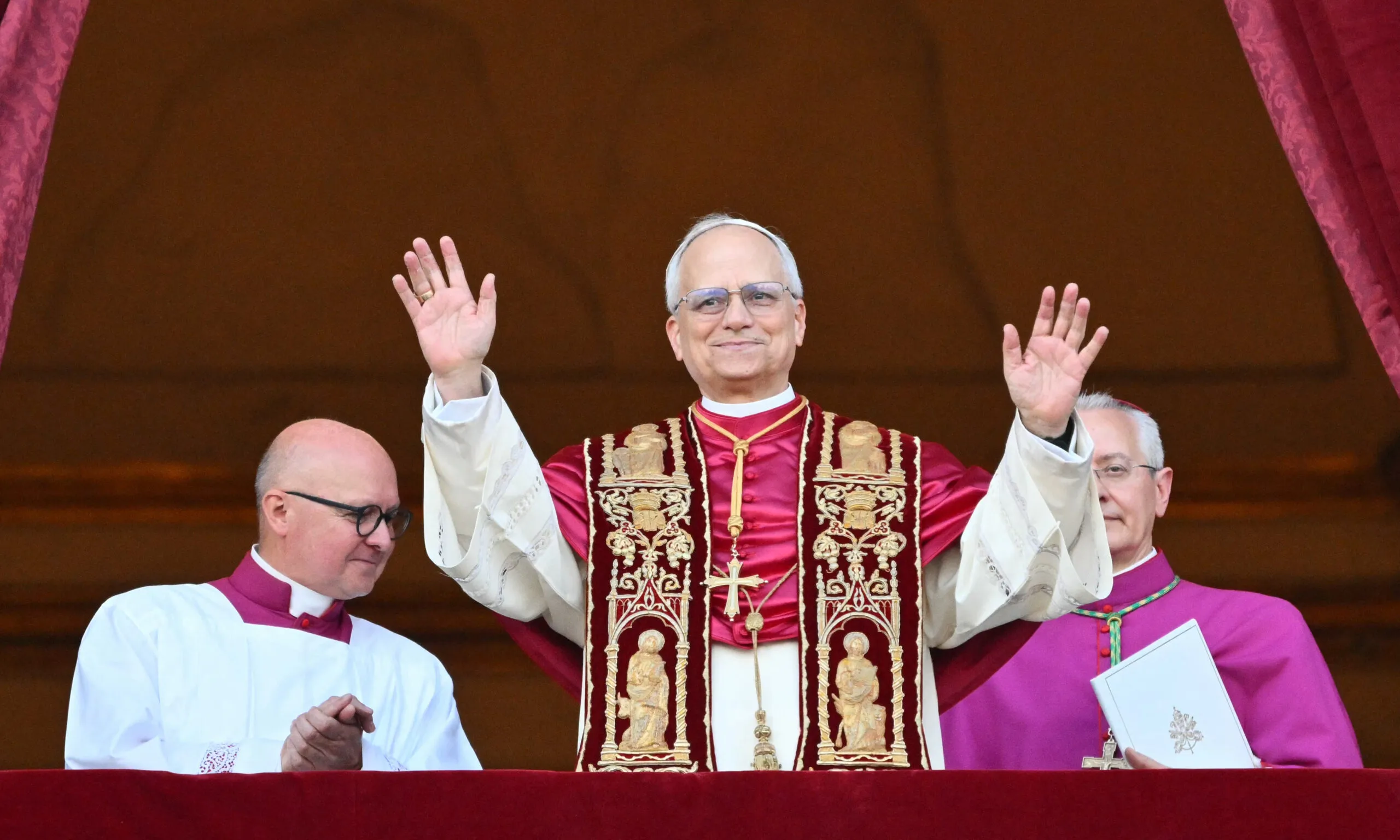




Pope Leo XIV Highlights Ethical Challenges of Digital Economy in Address to Global Experts


The rapid expansion of the digital economy has transformed global markets, communication systems and financial structures. In 2026, Pope Leo XIV addressed a gathering of global experts to highlight the ethical challenges emerging from this transformation. He emphasized that digital innovation must be guided by principles that protect human dignity and social stability. As technology increasingly influences economic decision making, concerns about fairness, accountability and inequality have become more prominent. The Pope’s remarks reflect the Vatican’s growing engagement with economic ethics, particularly in areas where technological advancement intersects with social responsibility and long term development.
Ethical Dimensions of the Digital Economy
The digital economy introduces new opportunities for growth while also creating complex ethical questions. Technologies such as artificial intelligence, data analytics and digital finance systems have the power to reshape entire industries. Pope Leo XIV stressed that these systems must be developed with clear ethical frameworks that ensure transparency and accountability. Without proper oversight, digital platforms may reinforce inequality or concentrate economic power in limited sectors. Ethical reflection therefore becomes essential for guiding technological progress. By emphasizing these principles, the Pope highlighted the importance of aligning innovation with values that support human dignity and social inclusion.
Economic Inequality and Digital Access
One of the key concerns raised in the address was the growing gap between societies that benefit from digital innovation and those that lack access to technological infrastructure. This divide can limit economic opportunities and deepen existing inequalities. Pope Leo XIV emphasized that inclusive policies are necessary to ensure that digital transformation benefits a broader population. Expanding access to education and digital tools can help reduce disparities and support economic participation. Addressing inequality within the digital economy requires coordinated efforts from governments, institutions and private sector actors committed to inclusive development.
Governance and Regulatory Responsibility
The governance of digital systems has become an increasingly important issue in global policy discussions. Pope Leo XIV noted that effective regulation is necessary to ensure that technological development remains aligned with public interest. Governments and international institutions must establish frameworks that promote transparency, protect data privacy and prevent misuse of digital platforms. Clear regulatory structures can help maintain trust in digital systems while encouraging responsible innovation. The Pope’s remarks highlight the need for cooperation between policymakers and technology leaders in shaping a stable and ethical digital environment.
The Role of Institutions in Ethical Innovation
Institutions such as universities, research centers and global organizations play a critical role in shaping the direction of technological progress. Pope Leo XIV encouraged these institutions to integrate ethical considerations into their work. Education systems should prepare future leaders to understand both the technical and social implications of digital innovation. By fostering interdisciplinary dialogue, institutions can contribute to the development of technologies that support the common good. Ethical innovation requires collaboration between different sectors, ensuring that technological progress benefits society as a whole.
Balancing Innovation With Human Values
While technological progress offers significant advantages, it must remain grounded in human values. Pope Leo XIV emphasized that economic systems should prioritize people rather than purely technological efficiency. Digital platforms should enhance human capabilities without undermining social cohesion or individual dignity. Balancing innovation with ethical responsibility requires continuous reflection and adaptation. As the digital economy continues to evolve, maintaining this balance will be essential for ensuring that technological advancement contributes positively to society.
Conclusion
Pope Leo XIV’s address on the digital economy highlights the importance of ethical governance in shaping the future of technology and finance. By emphasizing responsibility, inclusion and human dignity, the Pope reinforces the need for digital innovation to serve society while supporting sustainable economic development.