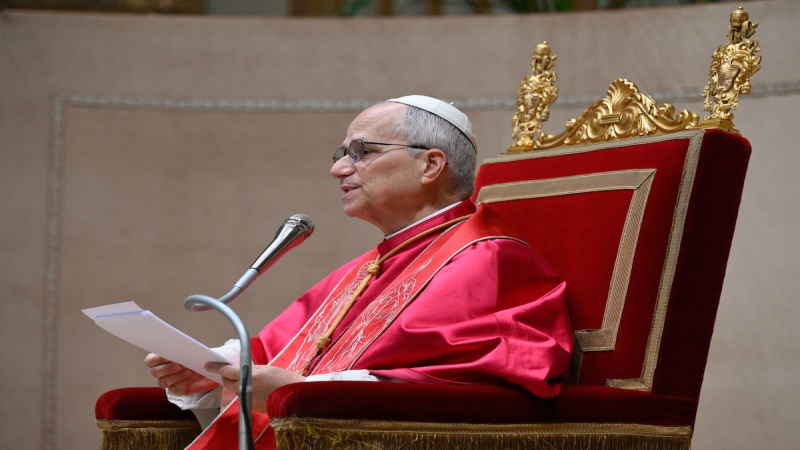


In his first Christmas as Bishop of Rome, Leo XIV has signaled a deliberate return to liturgical patterns that emphasize continuity, presence, and public worship at the heart of Vatican life. The Christmas celebrations will begin on the evening of December 24 with the traditional Mass of the Nativity in St Peter’s Basilica, restoring the late evening schedule that had been altered in recent years. The decision reflects a broader effort to re anchor major feasts within their historical and symbolic setting, particularly after disruptions introduced during the pandemic period. By maintaining the full sequence of liturgical moments associated with Christmas, the Pope has framed the season as one of rhythm and order rather than exception, reinforcing the Vatican’s role as a stable reference point within the global Church during a time of political and social uncertainty.
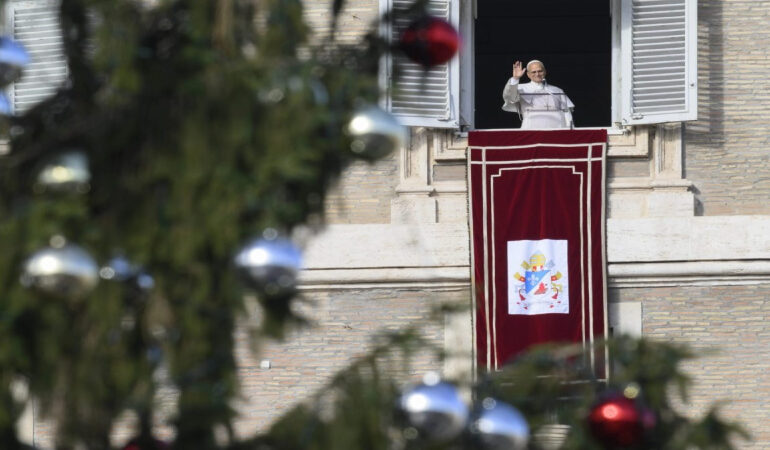
A notable element of this year’s celebrations is the revival of the Christmas Day Mass on December 25, a tradition not observed by recent pontificates. Celebrated in the morning within St Peter’s Basilica, the Mass restores a public expression of the feast that extends beyond the vigil and underscores the theological importance of Christmas Day itself. The liturgy will be followed by the Urbi et Orbi blessing delivered from the central loggia, situating the feast within both a spiritual and global address. This sequence highlights how liturgy and public message remain closely linked in Vatican practice, especially during moments that draw worldwide attention. The choice to revive this custom has been widely interpreted as a gesture toward institutional continuity rather than personal preference, reinforcing the Pope’s early emphasis on inherited forms of governance and worship.
The Christmas season will extend into the closing days of the year with a schedule that blends thanksgiving, reflection, and transition. On December 31, the Pope will preside over First Vespers and the Te Deum, marking the end of the calendar year within a liturgical framework that emphasizes accountability and gratitude. The following day, the Solemnity of Mary Mother of God and the World Day of Peace will be observed with Mass in the Vatican Basilica, linking the new year to themes of peace and responsibility. These celebrations continue a pattern in which the Vatican uses fixed liturgical moments to frame broader moral and social reflection, allowing continuity to serve as a counterweight to rapid global change.
The season will reach its institutional conclusion in early January with the closing of the Holy Door of St Peter’s Basilica on the Solemnity of the Epiphany, formally bringing the Jubilee year to an end. This act carries historical significance, marking only the second time a jubilee has been closed by a different pope than the one who opened it. The Christmas cycle will conclude with the Feast of the Baptism of the Lord, celebrated in the Sistine Chapel with the baptism of children connected to Vatican employees. Together, these events present Christmas not as a single moment but as a structured passage through time, reflecting a papacy attentive to tradition, order, and symbolic continuity.