

Pope Leo XIV says religions can unite to promote peace in a divided and radicalized world
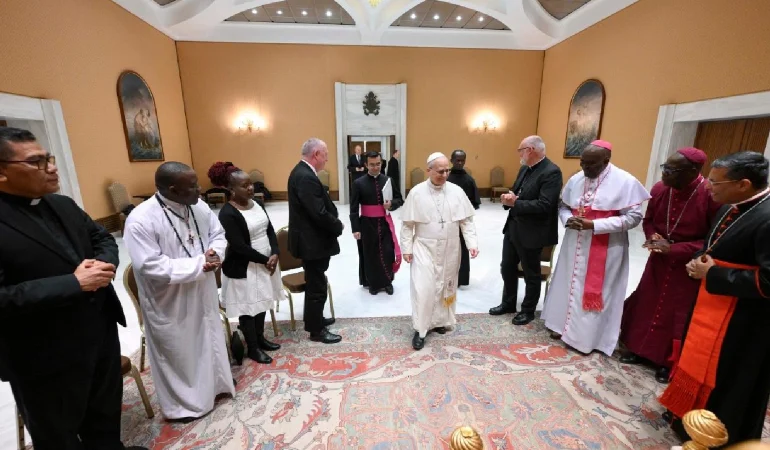

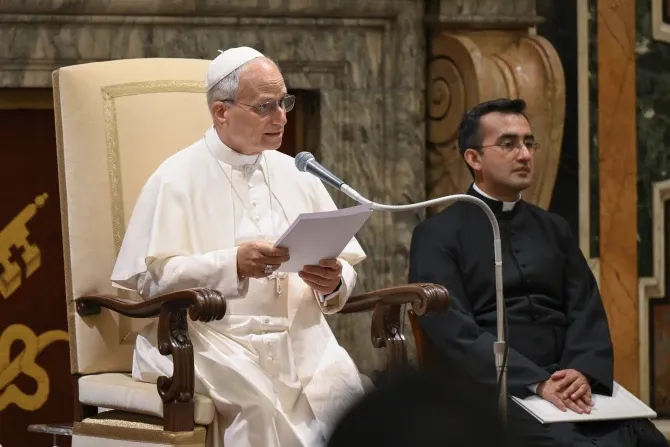
Pope Leo XIV has called for stronger cooperation among religions to counter growing division and radicalization, affirming that faith communities can work together to promote peace and the common good. Speaking to a delegation from Programme for Christian-Muslim Relations in Africa, the Pope praised their efforts in fostering dialogue between Christians and Muslims across Africa. He noted that their shared witness demonstrates that peaceful coexistence is possible even in regions marked by cultural and religious diversity, offering a model of unity in a world increasingly shaped by conflict and mistrust.
During the audience, the Pope emphasized the importance of interreligious dialogue as a pathway toward mutual understanding and cooperation. Referring to the teachings of Nostra Aetate, he recalled that the Church recognizes what is true and holy in other religions and encourages respect for their spiritual traditions. He explained that genuine dialogue requires openness, humility, and a willingness to encounter others with sincerity, noting that such engagement is not only a human effort but also guided by the work of the Holy Spirit. This approach, he said, allows communities to move beyond prejudice and build authentic relationships grounded in shared values.
The Pope also highlighted the broader social responsibility of religious communities in addressing the challenges facing modern societies. He warned that rising extremism, hatred, and self centeredness threaten both human dignity and social cohesion, urging religious leaders to guide their communities toward compassion and solidarity. By working together, he said, faith groups can help individuals overcome divisions and contribute to building societies rooted in justice and respect. He stressed that cooperation between religious traditions is essential for addressing global issues that transcend borders, including conflict, inequality, and environmental concerns.
In this context, the Pope encouraged continued collaboration between the interfaith programme and Vatican institutions such as the Dicastery for Interreligious Dialogue, noting that such partnerships can strengthen efforts to promote peace at both local and international levels. He pointed to Africa as a region where interreligious cooperation can play a particularly important role, given its diverse cultural and religious landscape. Through sustained dialogue and joint initiatives, he said, communities can create conditions where peace and hope can flourish, offering an example to other parts of the world facing similar challenges.
The Pope further urged religious communities to become active voices against violence and injustice, calling on them to reject ideologies that fuel division and instead promote reconciliation. He said that faith leaders have a duty to help people rise above anger and prejudice, guiding them toward a deeper sense of responsibility for one another. By doing so, they can inspire individuals to act as agents of peace, contributing to the healing of fractured societies and the strengthening of human fraternity across cultural and religious boundaries.
Concluding his address, the Pope invited those present to continue their work as builders of peace and witnesses of hope, reaffirming that collaboration between religions remains one of the most effective ways to address the challenges of the modern world. His message underscored that unity does not require uniformity, but rather a shared commitment to dialogue and mutual respect, offering a vision of coexistence that responds to the realities of an increasingly interconnected yet divided global community.