
Pope Leo XIV Says Theology Must Drive the Church’s Mission Forward
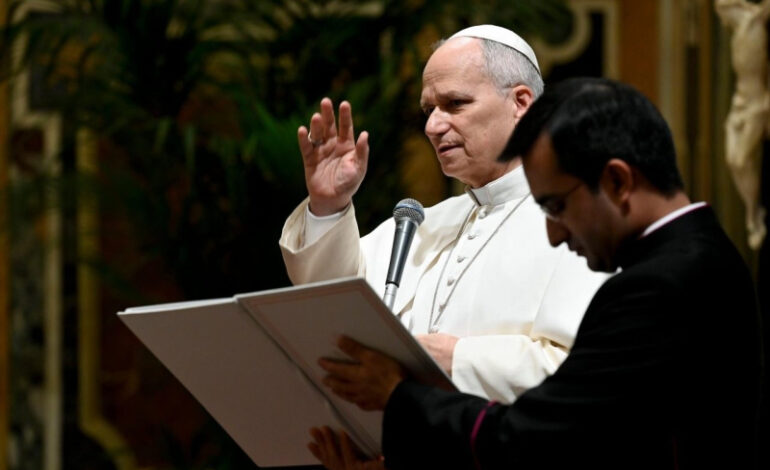

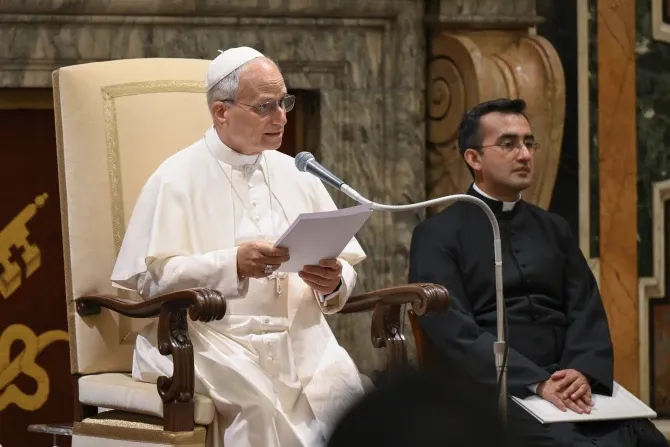
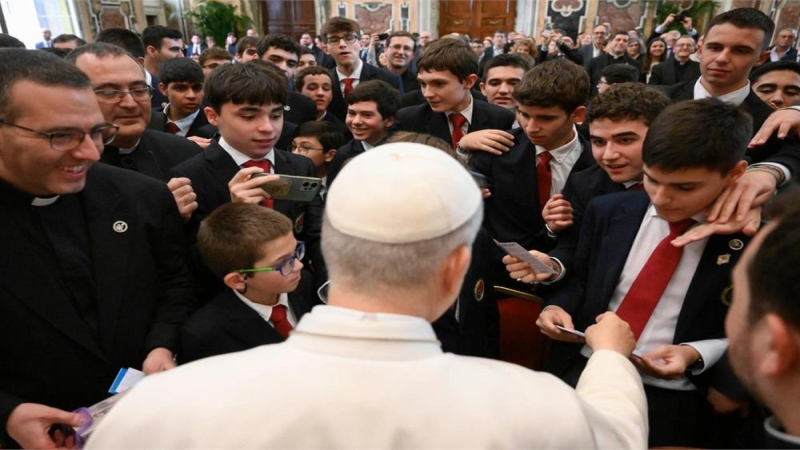
Pope Leo XIV has reaffirmed that theology is not merely an academic discipline but a vital force that advances the Church’s mission in the modern world. Speaking at the Vatican to representatives of the Theological Faculty of Puglia and the Theological Institute of Calabria, the Holy Father stressed that theology must serve the proclamation of the Gospel and remain deeply connected to evangelization.
Addressing theologians, professors, and students, the Pope emphasized that theology plays an integral and fundamental role in the life of the Church. He warned against reducing theological study to the accumulation of knowledge for academic requirements. Instead, he described it as a courageous journey that calls believers to engage deeply with the mystery of God while responding creatively to the challenges of contemporary society.
Referring to the maritime identity of southern Italian regions such as Puglia and Calabria, the Pope encouraged scholars to adopt an attitude of openness and bold navigation. He urged them not to retreat into safe intellectual spaces but to venture into new cultural and social contexts where the Gospel must be proclaimed and inculturated.
Pope Leo outlined a twofold movement within authentic theology. First, it requires descending into the depths of divine mystery and exploring the richness of Christian faith. Second, it calls for moving outward to discover new languages, methods, and expressions capable of communicating the Gospel in changing historical circumstances. Theology, he said, must always remain missionary in spirit.
He also underlined that theological formation is not reserved for specialists alone. Every member of the Church is called to deepen understanding of the faith and contribute to cultural and social mediation inspired by the Gospel. The Pope praised ongoing efforts in southern Italy to unify theological institutions and foster greater collaboration among dioceses. Such synergy, he noted, strengthens communion and overcomes local divisions.
A central theme of his address was the importance of doing theology together. He encouraged a synodal approach in which ordained ministers, consecrated religious, and lay men and women are formed within a shared academic and ecclesial community. This collaborative model, he explained, broadens intellectual horizons and prepares future pastoral leaders to engage society with renewed energy and prophetic clarity.
The Pope acknowledged that regions rich in religious heritage still face serious social challenges, including unemployment, emigration, injustice, and exploitation. In this context, theological education becomes a cultural investment that fosters critical thinking and inspires hope. By cultivating thoughtful and spiritually grounded leaders, the Church can respond more effectively to social wounds and moral crises.
Concluding his remarks, Pope Leo XIV urged theologians to move forward with determination and resist any temptation to retreat into nostalgia or intellectual isolation. He invited them to dream of academic communities that form disciples capable of transforming Christian communities into living signs of the Gospel and authentic workshops of hope in today’s world.