Pope Leo XIV Says War Is Gravest Attack on Life and Public Health


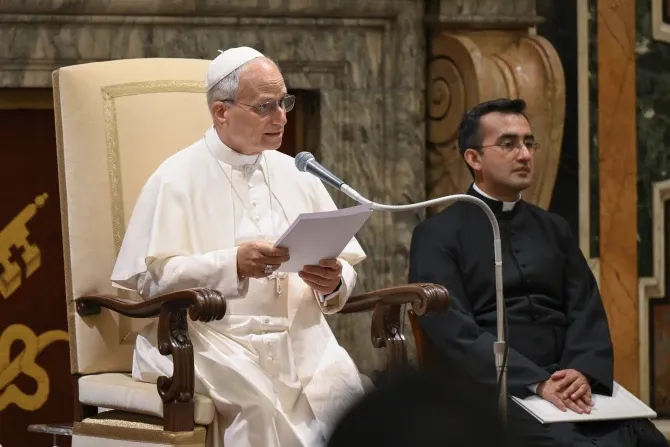
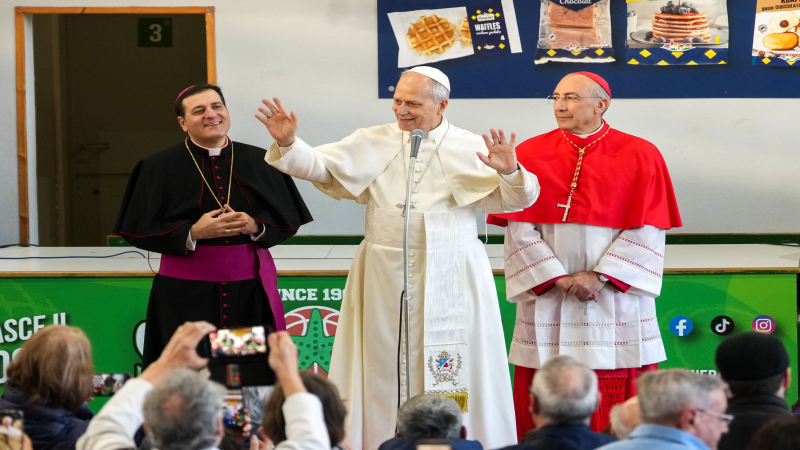
Pope Leo XIV has warned that war represents the gravest attack possible against life and public health, urging global leaders to redirect resources from weapons production toward the protection of human dignity and healthcare systems. He delivered the remarks during an address to participants in the Plenary Assembly of the Pontifical Academy for Life, gathered in Rome to reflect on the theme Healthcare for all Sustainability and equity.
Speaking at the Vatican, the Pope described the destruction of civilian infrastructure during armed conflicts, including hospitals, as one of the most serious assaults human beings can inflict on life itself. In a world marked by ongoing conflicts, he said, vast economic, technological, and organizational resources are being consumed by military production while healthcare systems in many regions struggle with inequality and limited access.
The Pope stressed that promoting life and health requires more than statements of principle. While it is often claimed that life and health are fundamental values for everyone, he cautioned that such assertions ring hollow when structural inequalities persist. Not all lives are respected equally, he noted, and health is not protected or promoted in the same way for all populations.
According to Pope Leo, disparities in life expectancy and healthcare quality reveal the impact of social and environmental policies. Income levels, education, housing conditions, and access to services significantly influence health outcomes. He pointed out that the conditions in which communities live are shaped by political and economic decisions that either strengthen or weaken public health systems.
He recalled how the COVID 19 pandemic exposed the deep interconnection between individual and collective health. The crisis demonstrated that the wellbeing of one person cannot be separated from that of the broader community. For this reason, he advocated for a comprehensive approach that integrates medicine, ethics, governance, and social policy rather than focusing narrowly on immediate profit or short term gain.
Central to his address was the concept of one health, which emphasizes the interdependence between human beings, other living creatures, and the environment. Human life, he said, cannot be understood or sustained apart from ecological balance. In practical terms, this means integrating health considerations into policies related to transportation, housing, agriculture, employment, and education.
Pope Leo linked this integrated vision to the principle of the common good, a cornerstone of Catholic social teaching. He warned that the common good risks becoming an abstract notion if it is not rooted in genuine relationships of solidarity and mutual care. Democratic societies, he suggested, flourish when efficiency is combined with justice and solidarity, ensuring that vulnerable persons are supported not only in moments of illness but throughout their lives.
He concluded by calling for stronger international cooperation and multilateral engagement to prevent conflicts and promote equitable healthcare worldwide. Sustainable systems, he said, must restore trust in medicine and in healthcare professionals, especially in an era marked by misinformation and skepticism.