Pope Leo XIV Sets Global Liturgical Agenda from April to July with Africa and Europe Visits
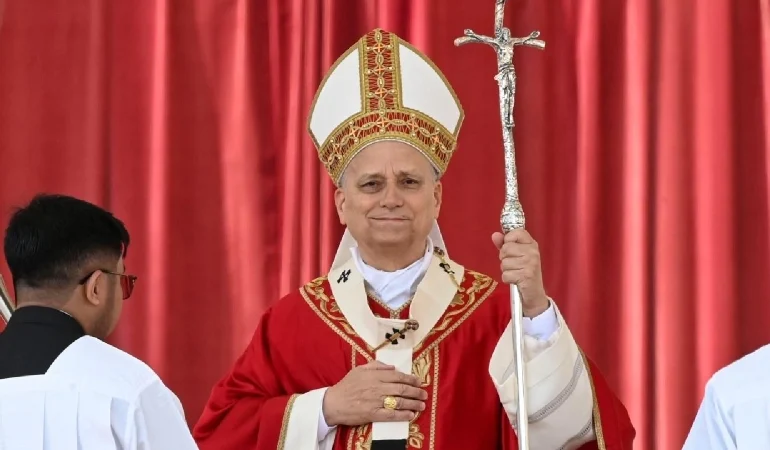

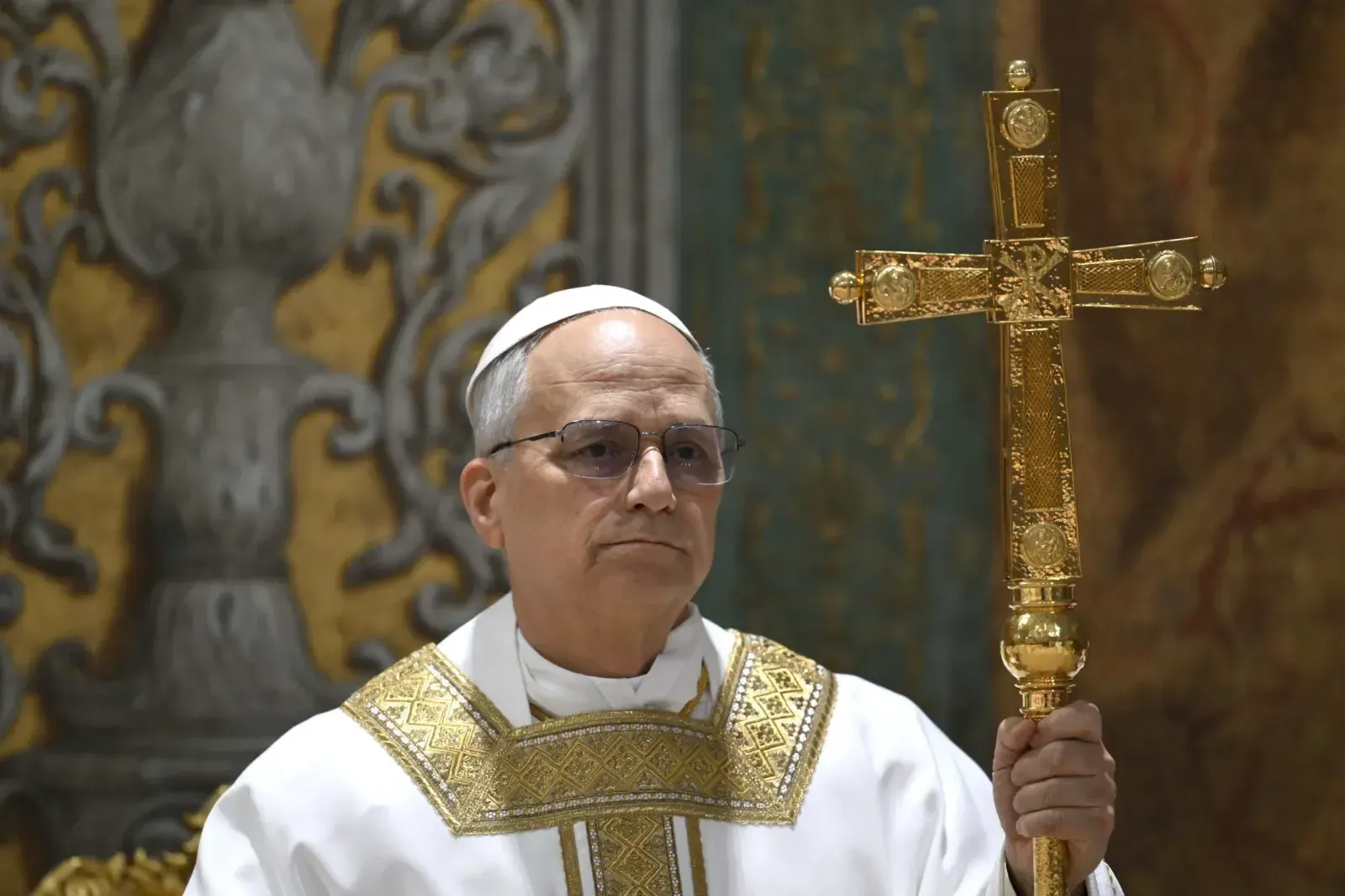
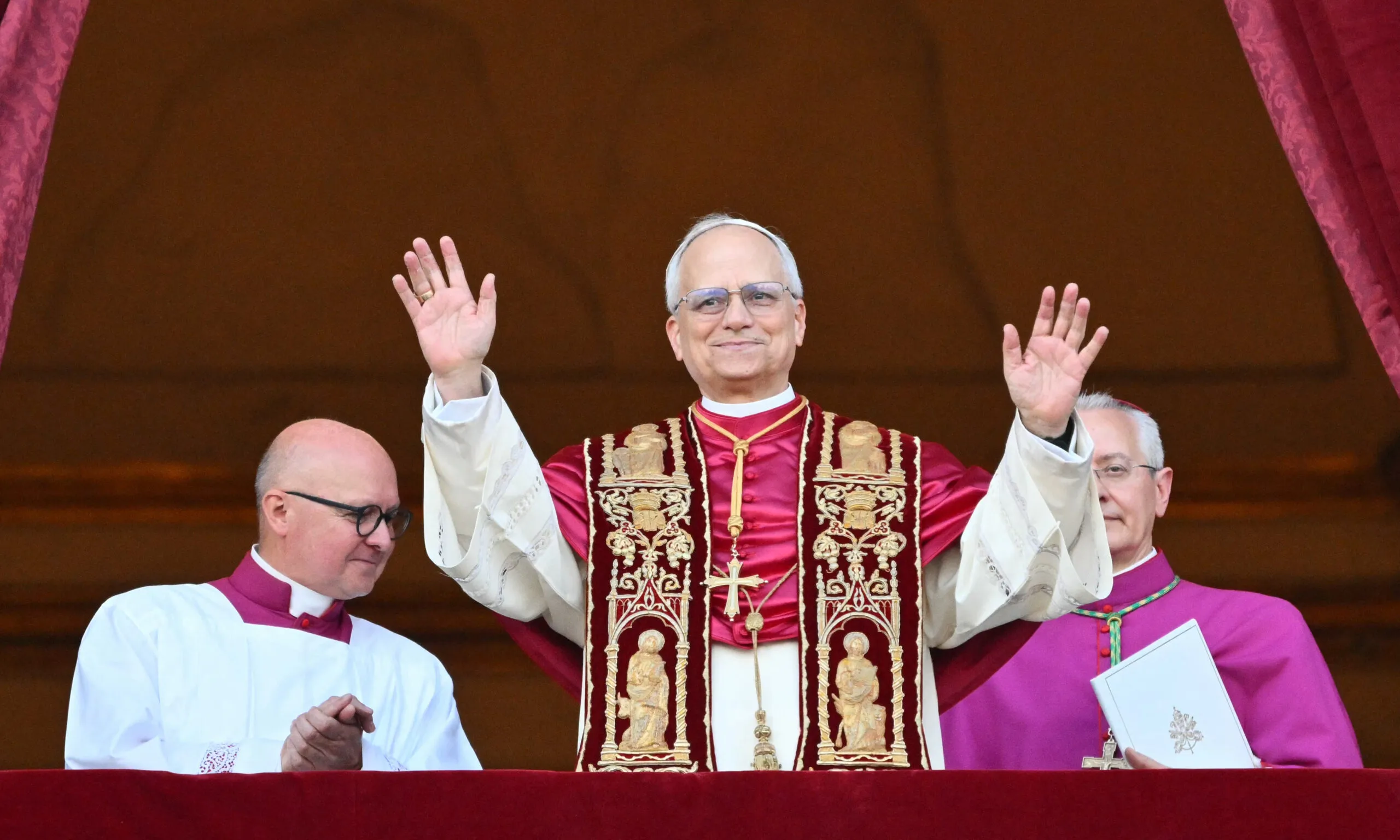
Pope Leo XIV’s liturgical calendar from April through July 2026 outlines a period of intense pastoral activity marked by international travel, major Church celebrations, and key ordinations in Rome. The schedule reflects a balance between global outreach and central liturgical leadership, with two significant international journeys and several major events at the Vatican. Beginning in April, the Pope is set to embark on his first visit to Africa since his election, followed by a series of ceremonies that highlight the Church’s ongoing mission, including priestly and episcopal ordinations tied to important moments in the liturgical calendar.
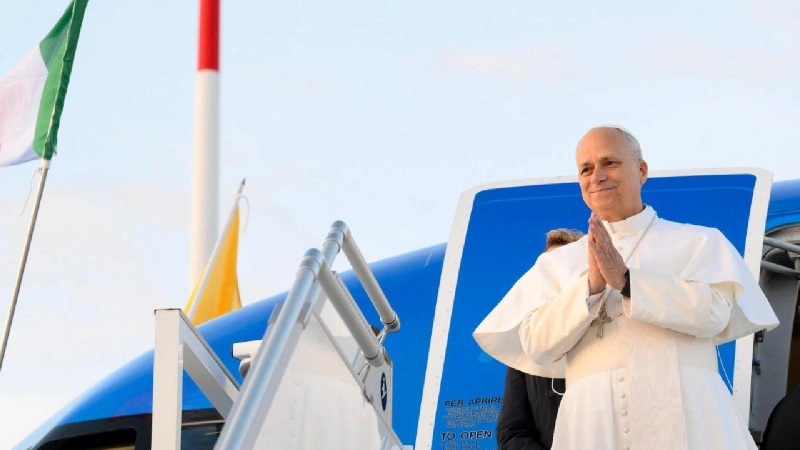
The agenda begins with a ten day apostolic journey from April 13 to April 23, during which the Pope will visit Algeria, Cameroon, Angola, and Equatorial Guinea. This marks a notable return to the African continent, where he previously traveled extensively before becoming pontiff. Shortly after returning to Rome, he will preside over a Mass for priestly ordinations on April 26 at St Peter’s Basilica, coinciding with the Fourth Sunday of Easter, traditionally known as Good Shepherd Sunday. Eight candidates from the Diocese of Rome are expected to be ordained, continuing a longstanding Vatican tradition.
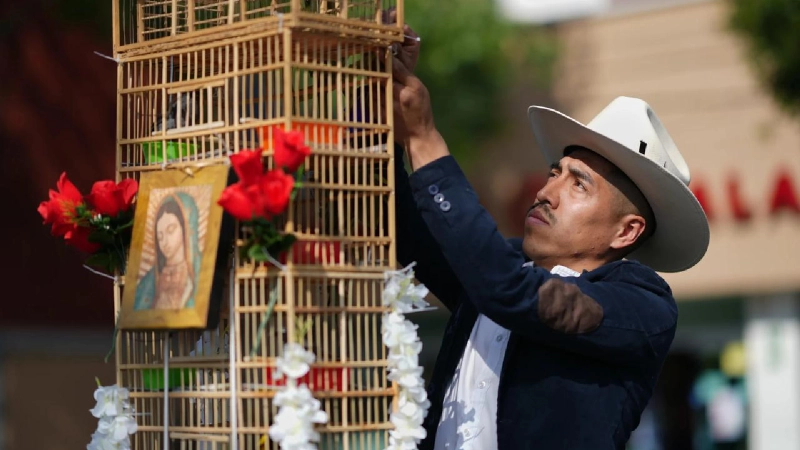
In May, the Pope’s schedule centers on both celebration and governance within the Church. On May 2, he will lead episcopal ordinations at the Basilica of St John Lateran, reinforcing the continuity of Church leadership. Just days later, on May 8, he will mark the first anniversary of his pontificate with a visit to the Marian shrine in Pompeii, where he will celebrate Mass and participate in a traditional prayer dedicated to the Virgin Mary. Later in the month, he will preside over Pentecost Mass on May 24 in St Peter’s Basilica, one of the most important feasts in the Catholic liturgical year.
June introduces another major international journey, with the Pope traveling to Spain from June 6 to June 12. The visit includes stops in Madrid and Barcelona, where he is expected to inaugurate a newly completed tower of the Basilica of the Sagrada Familia, before continuing to the Canary Islands. This trip highlights the Pope’s engagement with both historic centers of Catholic culture and contemporary developments within the Church’s architectural and spiritual heritage. Soon after returning, he will make a pastoral visit within Italy, traveling to Pavia on June 20 to lead evening prayer at a site closely associated with St Augustine.
The latter part of June continues with a major Vatican liturgical event on June 29, when Pope Leo XIV will preside over Mass for the Solemnity of Saints Peter and Paul. During this ceremony, he will bestow the pallium upon newly appointed Metropolitan Archbishops, a symbolic act that underscores unity with the Holy See and the universal Church. This tradition remains one of the most significant expressions of ecclesiastical communion, reinforcing the Pope’s role as a central figure in maintaining cohesion across the global Catholic hierarchy.
The schedule concludes with a pastoral visit on July 4 to the Italian island of Lampedusa, a location that carries deep significance due to its role as a primary entry point for migrants arriving in Europe. The Pope will celebrate Mass on the island, highlighting the Church’s continued focus on humanitarian issues and the dignity of migrants. This visit is expected to draw attention to broader concerns surrounding migration, solidarity, and social responsibility, themes that have remained central to the Church’s public engagement in recent years.
As the Vatican prepares for these months of activity, Pope Leo XIV’s calendar reflects a combination of liturgical leadership, pastoral outreach, and global engagement. His schedule underscores the Church’s commitment to both tradition and contemporary challenges, as he continues to guide the faithful through key celebrations while addressing pressing issues affecting communities around the world.