Pope Leo XIV Signals a Pastoral Reset as the Vatican Rebalances Authority and Outreach
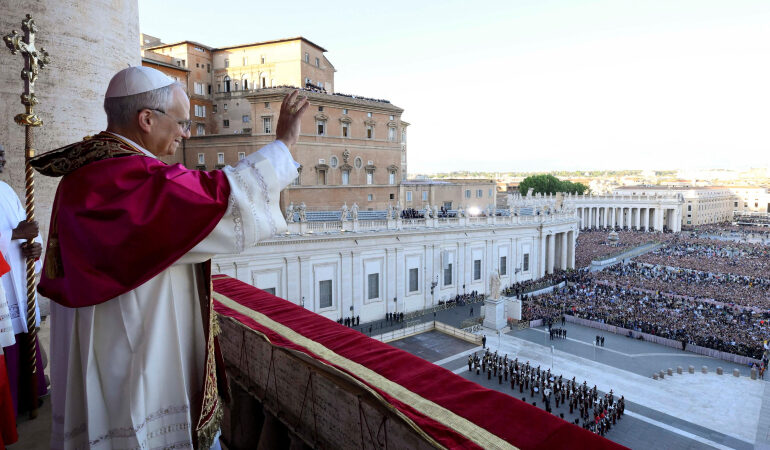

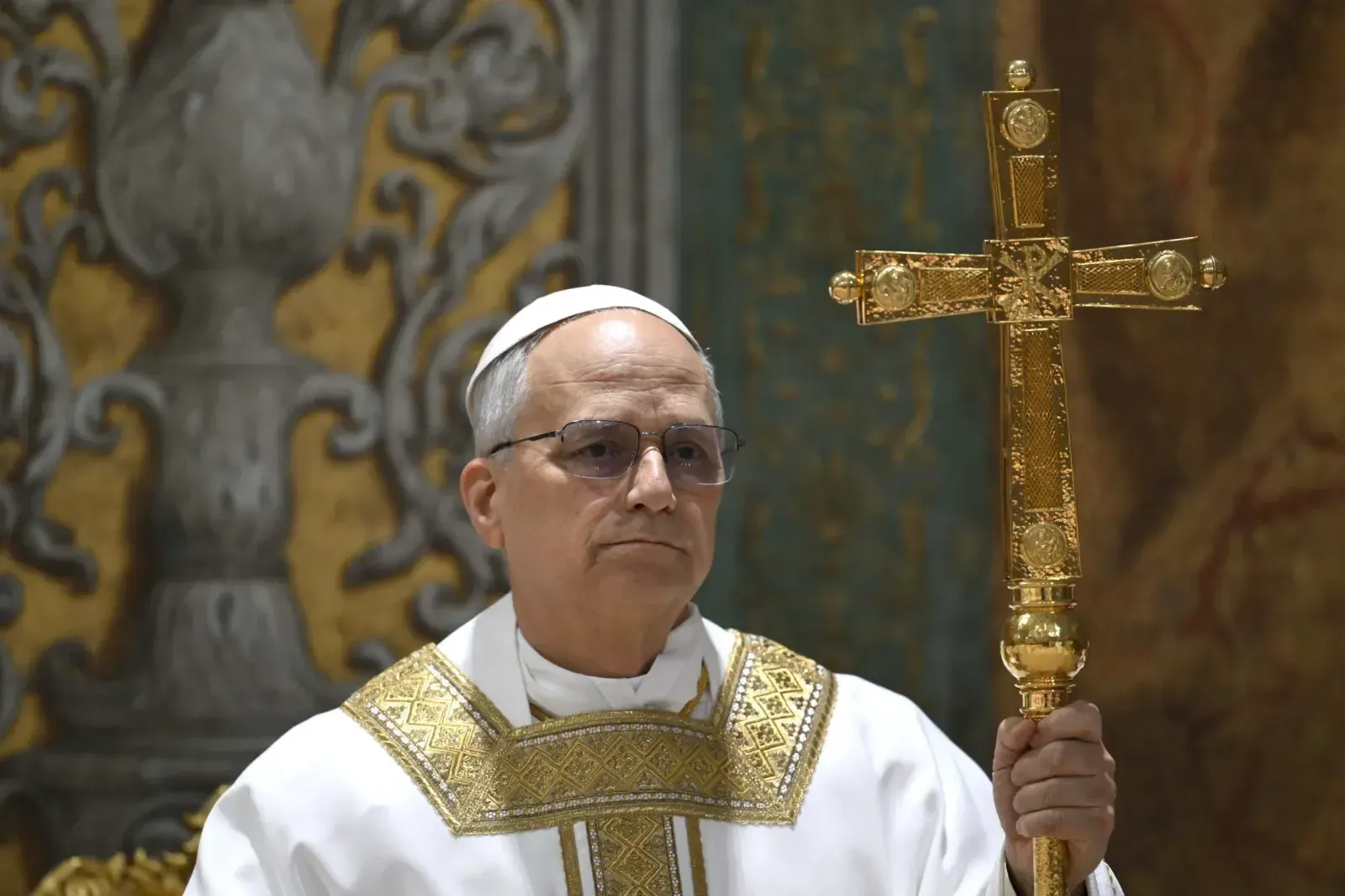
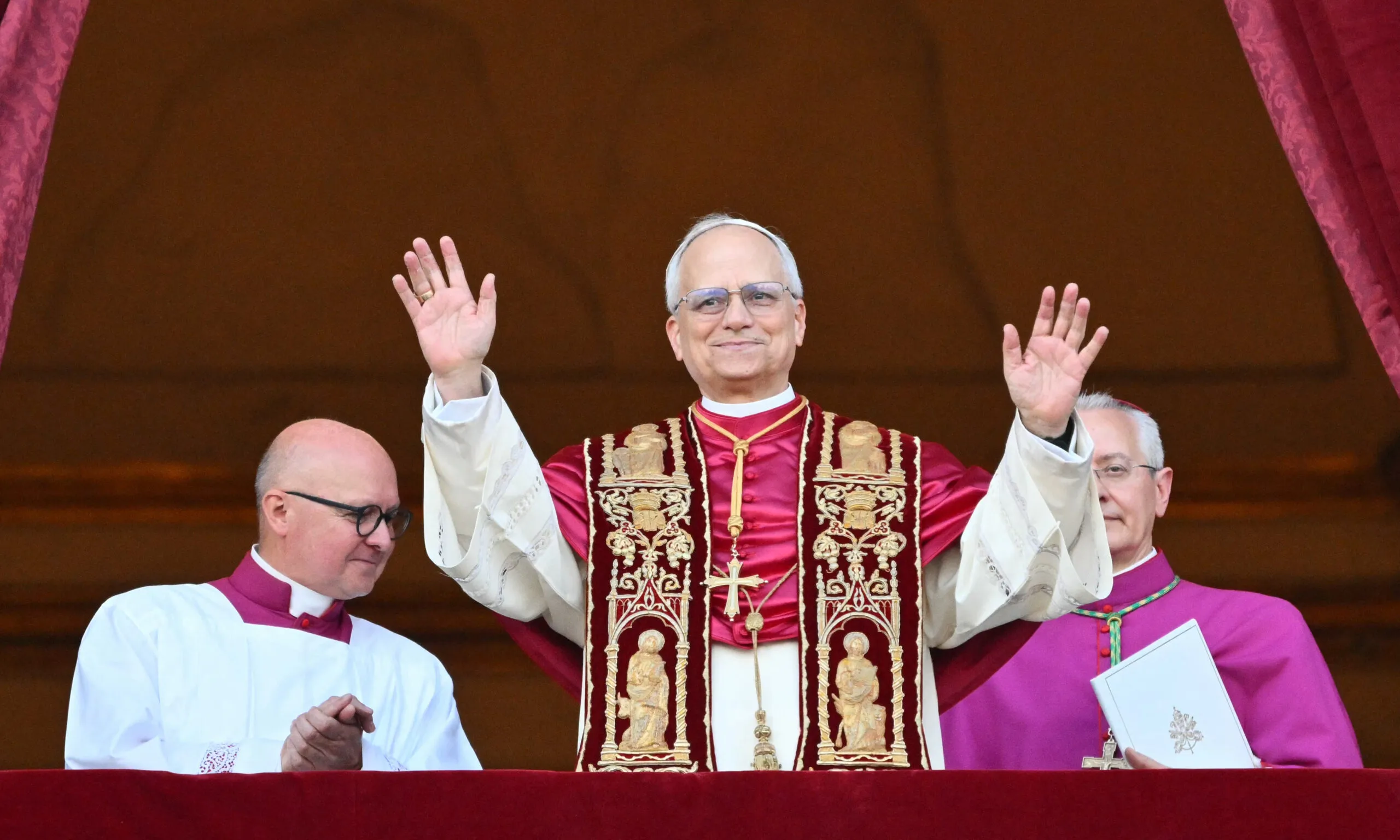
The election of Pope Leo XIV marks a moment of measured transition for the Catholic Church at a time of global uncertainty and internal reflection. Rather than dramatic declarations or sweeping institutional changes, the early weeks of his papacy have been defined by a deliberate tone that emphasizes pastoral presence, continuity, and steady governance. This approach appears designed to reassure a global Church seeking stability while remaining attentive to social and spiritual realities across different regions.
For Catholics in the United States and beyond, the new pontificate is being read less as a rupture and more as a recalibration. Pope Leo XIV has so far signaled a leadership style that values proximity to the faithful while reinforcing institutional clarity within the Vatican. His early decisions suggest an effort to balance spiritual outreach with administrative discipline, setting the stage for a papacy shaped by patience rather than urgency.
A Pastoral Tone Rooted in Continuity
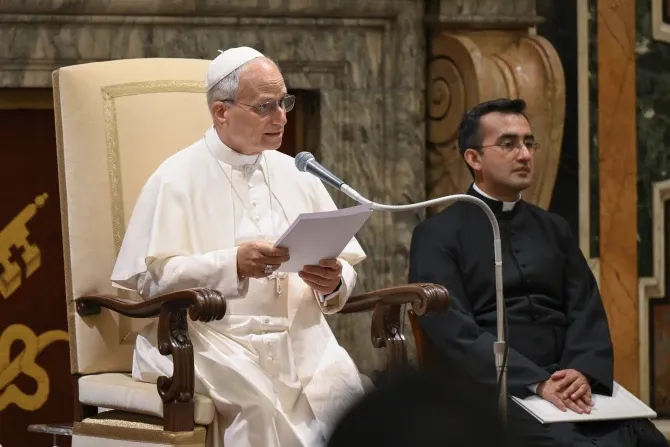
Pope Leo XIV has placed pastoral engagement at the center of his public messaging, emphasizing the role of the Church as a listening presence in a fragmented world. His homilies and addresses have focused on themes of unity, humility, and shared responsibility, reinforcing the idea that authority within the Church is exercised in service rather than command. This tone resonates with clergy and laity alike, particularly in regions where trust in institutions has been tested.
Rather than introducing new doctrinal frameworks, the Pope has underscored the importance of lived faith and everyday witness. By highlighting the role of parishes, families, and local communities, he has drawn attention away from centralized power and toward the grassroots life of the Church. This pastoral emphasis reflects a desire to strengthen bonds between Rome and the faithful without altering theological foundations.
Rebalancing Authority Within the Vatican
Alongside his pastoral messaging, Pope Leo XIV has begun a careful review of how authority is exercised within Vatican structures. Early indications point to a preference for clarity in governance and well defined institutional roles. This does not signal a reversal of recent reforms, but rather an effort to ensure that administrative responsibilities are clearly aligned with accountability.
Observers note that the Pope’s approach favors coordination over consolidation. By encouraging collaboration among Vatican offices, he appears intent on reducing internal friction while maintaining efficiency. This measured rebalancing suggests a leadership style that values order and transparency, qualities that are increasingly important for the Church’s credibility on the global stage.
Outreach to a Global and Diverse Church
Pope Leo XIV’s early gestures also reflect an awareness of the Church’s global diversity. His references to communities facing economic hardship, conflict, and social change indicate a pastoral vision that extends beyond Europe. At the same time, he has avoided framing these concerns in political terms, instead grounding them in moral responsibility and solidarity.
For American Catholics, this global perspective reinforces the idea that the Church’s mission transcends national boundaries. The Pope’s emphasis on shared human dignity and mutual care aligns with long standing Catholic social teaching while remaining accessible to contemporary audiences. This balance strengthens the Church’s moral voice without drawing it into partisan debates.
Leadership Style and Long Term Expectations
While it is too early to define the full trajectory of Pope Leo XIV’s pontificate, his initial signals suggest a leader focused on sustainability rather than speed. His preference for consultation and discernment over rapid decision making points to a long term vision rooted in institutional health. This approach may appeal to those who see stability as essential for effective evangelization and governance.
At the same time, expectations remain cautious. Many within the Church are watching to see how pastoral emphasis and administrative discipline will be integrated over time. The success of this balance will likely shape how the papacy is remembered, particularly in an era marked by rapid social and cultural change.
Conclusion
Pope Leo XIV’s early papacy reflects a careful effort to align pastoral care with responsible governance. By emphasizing continuity, service, and measured authority, he has set a tone that prioritizes trust and stability within the Church. As his leadership unfolds, this balanced approach may define a pontificate shaped less by dramatic shifts and more by steady renewal rooted in faith and responsibility.