
Pope Leo XIV Signals a Pastoral Reset Rooted in Moral Authority, Not Politics
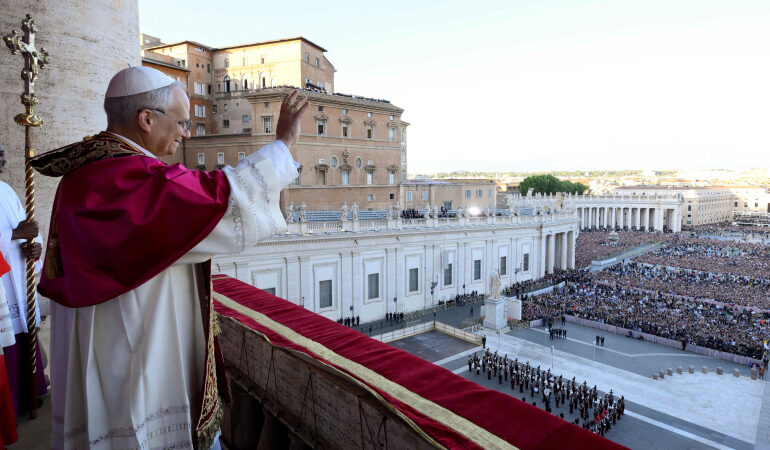

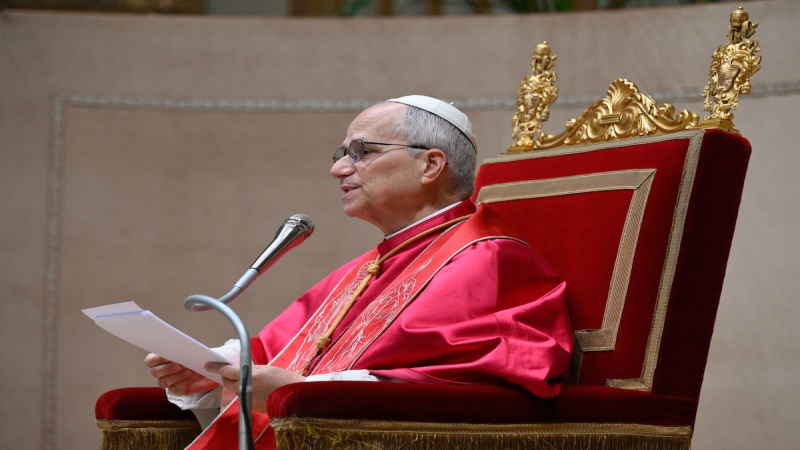
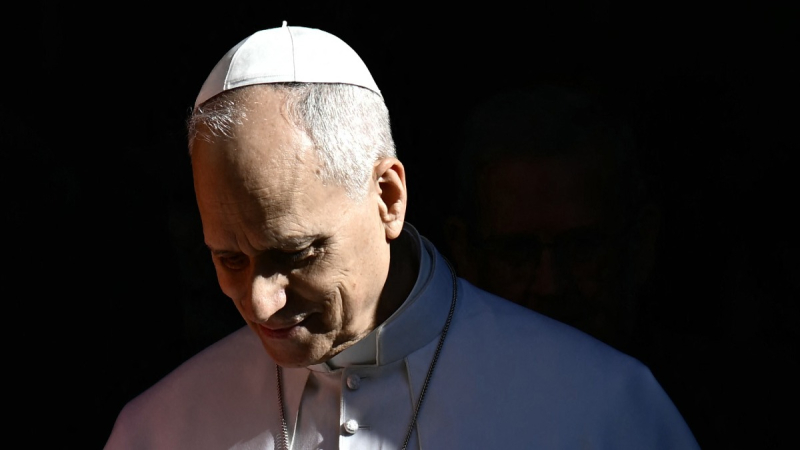
The early weeks of Pope Leo XIV have drawn close attention not because of dramatic gestures or sweeping declarations, but because of what has been intentionally restrained. In a global environment where religious leadership is often pulled into political battles, the new pope has instead emphasized pastoral presence, moral clarity, and institutional steadiness. This approach has signaled a recalibration of papal leadership toward credibility grounded in conscience rather than confrontation.
Observers within and beyond the Catholic Church have noted that Pope Leo XIV appears less concerned with reacting to cultural flashpoints and more focused on restoring trust in the Church’s spiritual mission. His language, tone, and early priorities suggest a papacy that seeks depth over volume and authority over visibility. This has shaped expectations of a leadership style centered on formation, unity, and long-term moral witness.
A Papacy Centered on Moral Authority
From his first public addresses, Pope Leo XIV has framed the role of the papacy as a moral compass rather than a political counterweight. His emphasis on responsibility, humility, and service has positioned the Church as a guide for conscience formation rather than an actor in partisan debate. This distinction has resonated strongly at a time when institutions worldwide face credibility challenges.
The pope’s messaging has consistently highlighted the Church’s duty to speak clearly on human dignity without aligning itself with ideological movements. By reinforcing moral principles instead of policy preferences, he has underscored the difference between ethical teaching and political strategy. This posture reflects a belief that moral authority is strongest when it remains independent of power struggles.
Such an approach also reflects a broader concern for unity within the global Church. By avoiding language that could deepen internal divisions, Pope Leo XIV has prioritized cohesion and dialogue. His early leadership suggests an understanding that the Church’s influence depends less on immediacy and more on sustained trust.
Pastoral Leadership Over Political Engagement
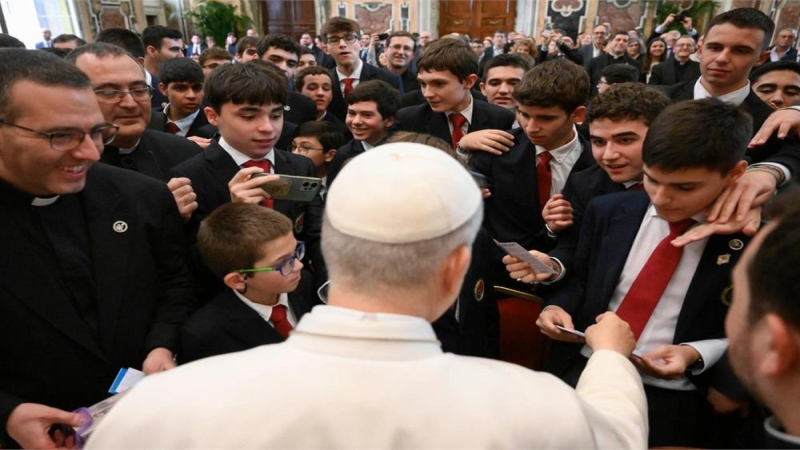
Pope Leo XIV’s pastoral focus has been evident in his emphasis on the lived realities of faith communities rather than abstract debates. He has spoken repeatedly about listening, accompaniment, and spiritual formation, placing clergy and laity at the center of the Church’s mission. This signals a return to pastoral fundamentals rather than public confrontation.
Rather than positioning the Vatican as a political voice competing in global discourse, the pope has encouraged engagement through example and service. This has reinforced the idea that the Church’s credibility flows from its care for people, particularly those at the margins, rather than from its visibility in public controversies.
This pastoral emphasis also reflects an understanding of cultural fatigue. Many Catholics and non Catholics alike have grown weary of institutions that appear reactive or combative. By prioritizing calm leadership and consistent teaching, Pope Leo XIV has offered an alternative model rooted in patience and moral coherence.
Theological Continuity Without Rhetorical Escalation
Theological continuity has been another defining feature of the early papacy. Pope Leo XIV has reaffirmed core teachings without introducing dramatic shifts or rhetorical escalation. His approach has emphasized clarity and stability, reinforcing doctrine through explanation rather than declaration.
This method has helped reduce speculation about abrupt changes in Church teaching. By grounding his leadership in continuity, the pope has signaled that renewal does not require disruption. Instead, it can emerge through faithful interpretation and careful stewardship of tradition.
The absence of sharp ideological language has further strengthened this message. Pope Leo XIV has avoided framing theology as a response to cultural conflict, presenting it instead as a consistent moral framework capable of guiding believers through complexity without antagonism.
Reframing the Vatican’s Global Voice
Internationally, the pope’s restrained tone has reshaped perceptions of the Vatican’s role on the world stage. Rather than issuing frequent statements on every geopolitical issue, Pope Leo XIV has allowed silence and selectivity to reinforce credibility. This has given greater weight to the moments when the Church does speak.
This recalibration reflects an understanding that moral influence is diluted when overused. By choosing moments carefully, the Vatican under Pope Leo XIV has positioned itself as a voice of reflection rather than reaction. This approach aligns with a long view of global engagement focused on principles rather than headlines.
The result has been a quieter but more deliberate presence, one that emphasizes ethical reflection over immediacy. This has resonated with audiences seeking guidance rather than alignment.
Conclusion
Pope Leo XIV’s early leadership reflects a deliberate pastoral reset grounded in moral authority, theological continuity, and institutional restraint. By prioritizing conscience over politics and unity over rhetoric, he has begun shaping a papacy defined by credibility and calm guidance. In an era marked by noise and polarization, this approach positions the Church to speak with lasting relevance rather than fleeting influence.