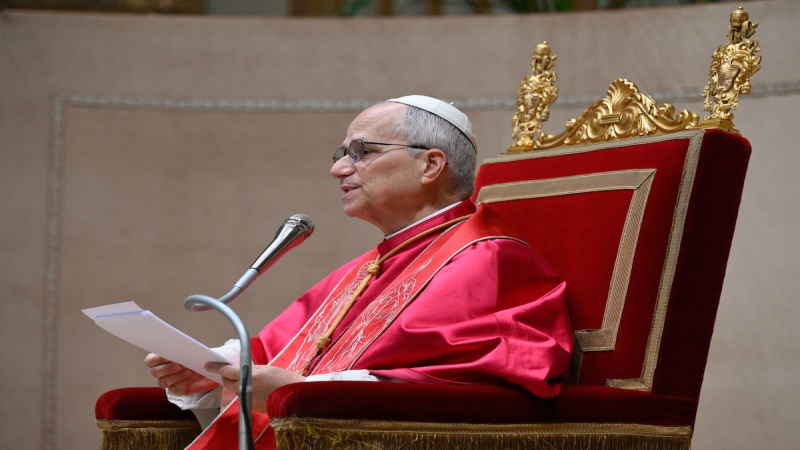



Plans are taking shape for a papal visit to Angola, confirming Africa as an early priority of the pontificate of Pope Leo XIV. Vatican officials in Luanda have indicated that the Holy Father has accepted an invitation from the Angolan head of state, placing the country on the itinerary of a broader African tour expected to unfold in 2026. While no dates or detailed program have yet been finalized, the announcement has already generated anticipation among local Church leaders and the faithful, who see the visit as both a pastoral milestone and a gesture of recognition toward a region that continues to shape the demographic and spiritual future of global Catholicism. For Angola, the visit would mark only the second time a reigning pope has set foot in the country, underscoring its symbolic importance.
The announcement situates Angola within a wider continental engagement rather than as a standalone destination. Vatican representatives have emphasized that preparations are still underway, with logistical planning and coordination between Church and state authorities continuing behind the scenes. The visit would likely be Pope Leo XIV’s first major overseas journey of the year, reinforcing his stated desire to deepen ties with Africa early in his pontificate. Church observers note that such a move reflects continuity with recent papal priorities, while also bearing the personal imprint of a pope who has extensive firsthand experience of the continent from earlier stages of his ministry. The emphasis on dialogue, presence, and encounter aligns with Leo’s emerging pastoral style.
Africa has held a distinctive place in the background of Pope Leo XIV long before his election. Unlike many predecessors, he has traveled widely across the continent in previous roles, engaging with communities in north, west, east, central, and southern Africa. This familiarity has shaped expectations that his approach will be informed by lived encounters rather than abstract policy. Vatican officials have suggested that his interest in visiting African nations is tied not only to pastoral care but also to broader concerns such as peace, migration, and development. Angola’s selection reflects both its historical Catholic roots and its contemporary role in regional affairs, making it a fitting stop on a tour intended to address the Church’s mission in a rapidly changing world.
The anticipated visit also carries historical resonance. The last papal journey to Angola occurred more than a decade ago, and memories of that event remain vivid among older generations of Catholics. Since then, the country has undergone social and political transitions that have reshaped its national landscape. A papal presence now would be interpreted by many as a moment of encouragement and renewed attention at a time when African Churches are increasingly vocal within the global Catholic conversation. The visit would also highlight Angola’s place within a Church that is steadily shifting its center of gravity toward the global south.
As details continue to emerge, the broader significance of the planned trip lies in what it signals about the direction of the current pontificate. By prioritizing Africa early, Pope Leo XIV appears intent on reinforcing the continent’s integral role in the life of the universal Church. The journey would not only reaffirm longstanding relationships but also open space for new conversations about faith, social responsibility, and global solidarity. For Angolan Catholics and the wider African Church, the visit is being read as an affirmation that their experiences and hopes remain central to the Church’s future