

Pope Leo XIV to Receive Liberty Medal for Advancing Religious Freedom and Human Dignity
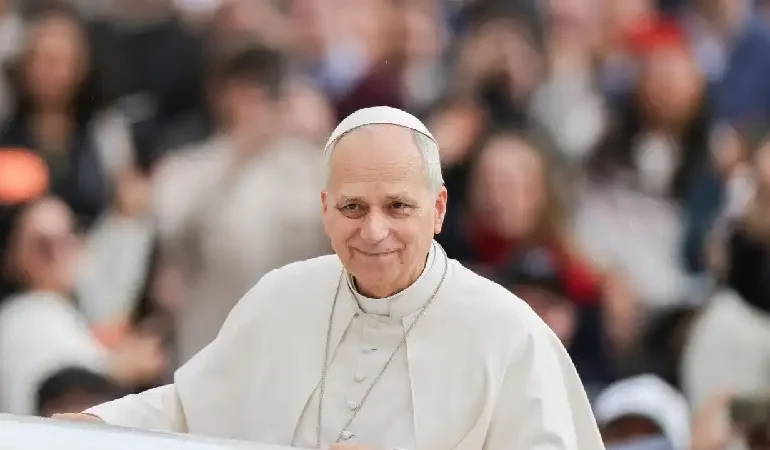

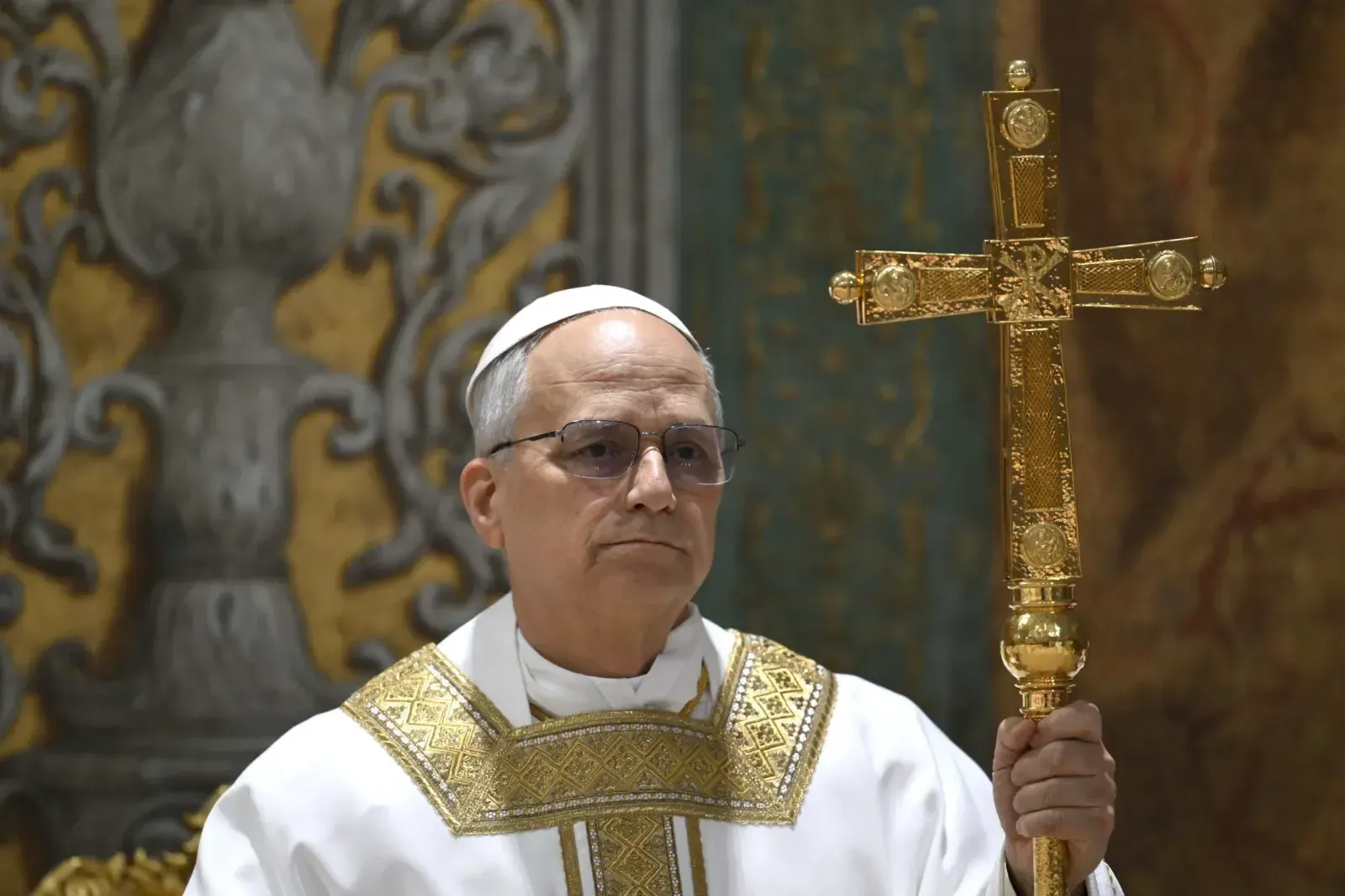
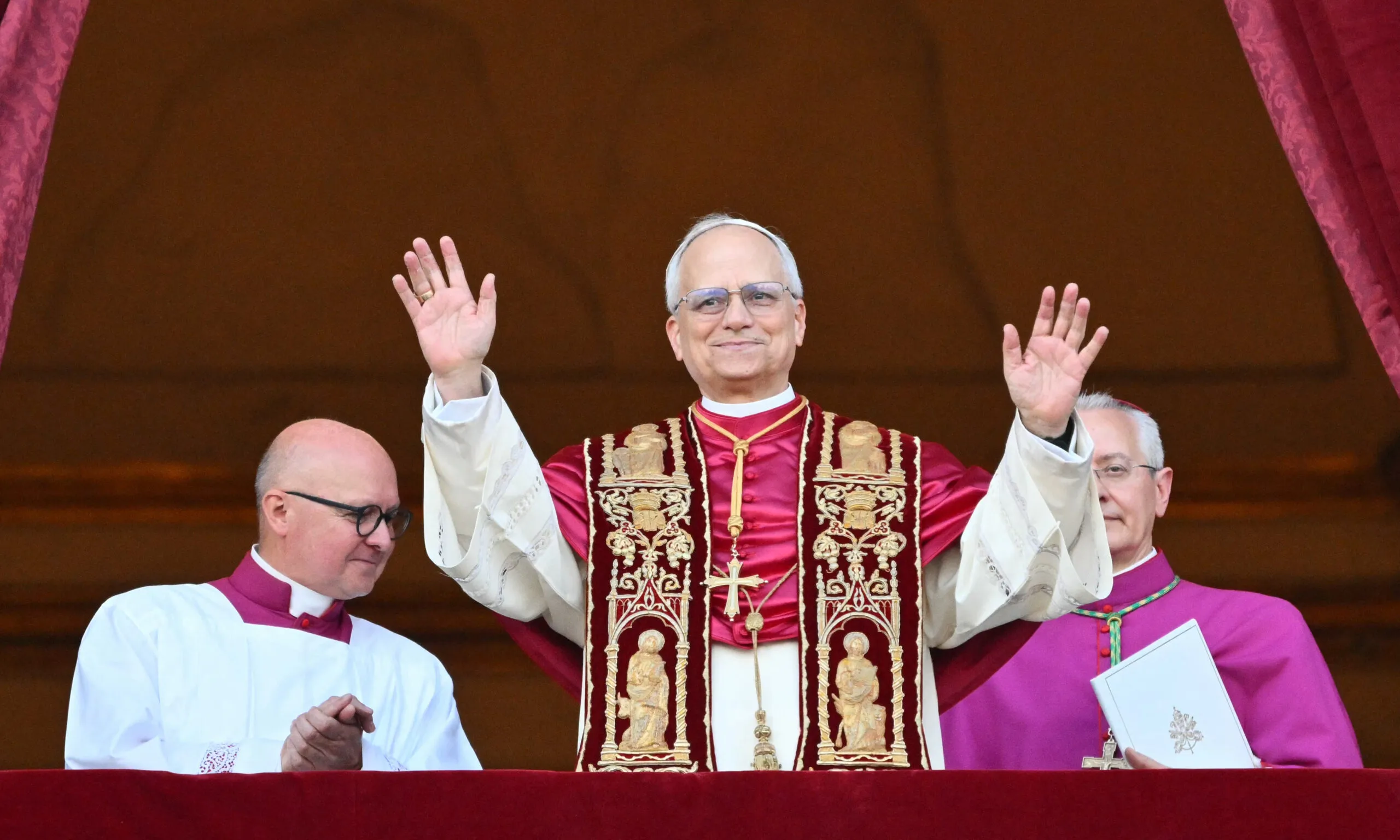
Pope Leo XIV is set to receive the 38th annual Liberty Medal in recognition of his global efforts to promote religious freedom and human dignity. The award, presented by the National Constitution Center, will be given on July 3, 2026, in Philadelphia, just ahead of the United States’ 250th anniversary celebrations. The event is expected to bring together civic leaders, faith representatives, and the public to reflect on the enduring relevance of liberty and freedom of conscience. The Pope will deliver his acceptance remarks remotely from the Vatican through a live broadcast, marking a symbolic moment that connects religious leadership with constitutional values.
Organizers stated that the award honors the Pope’s consistent advocacy for freedom of belief and expression across different regions and communities. His work has focused on protecting the rights of individuals to practice their faith without fear while encouraging mutual respect among diverse traditions. The recognition places emphasis on principles that align closely with the foundational ideals of the United States, particularly those related to freedom of religion and thought. The ceremony itself will take place at Independence Mall, a site closely associated with the country’s historical commitment to liberty.
Officials from the Vatican confirmed that Pope Leo XIV has expressed gratitude for the recognition, describing it as meaningful within the context of the anniversary being marked in the United States. The moment is seen as an opportunity to reflect on the historical significance of liberty and its continued importance in contemporary society. The award also highlights the intersection between religious leadership and civic values, particularly at a time when global discussions around freedom and rights remain highly relevant. The Pope’s participation is expected to reinforce these themes on an international stage.
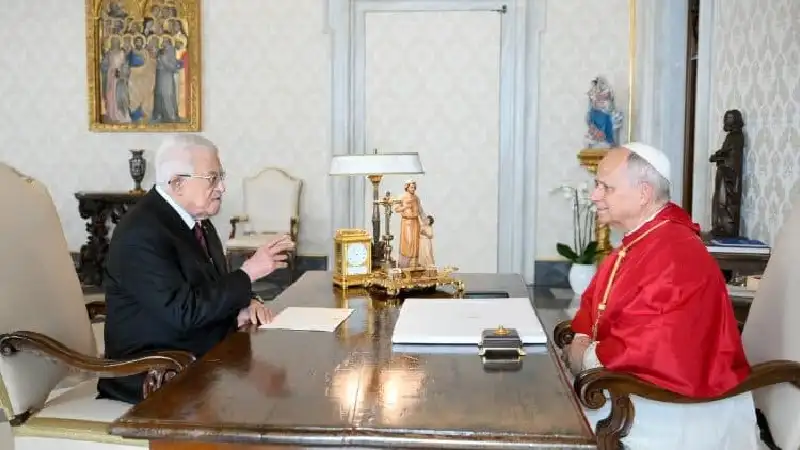
Since the beginning of his pontificate, Pope Leo XIV has placed a strong emphasis on interfaith dialogue and cooperation. His outreach to leaders from various religious backgrounds has aimed to strengthen understanding and reduce tensions in regions affected by conflict and division. This approach reflects a broader vision in which religious freedom is not only a legal concept but a lived expression of human dignity. By promoting dialogue and coexistence, the Pope has positioned faith as a force that can contribute to peace and social stability rather than division.
The Liberty Medal, established in the late twentieth century, recognizes individuals and organizations that have made significant contributions to advancing freedom around the world. Over the years, it has been awarded to figures whose work reflects a commitment to protecting fundamental rights and fostering democratic values. This year’s ceremony carries additional significance as it forms part of wider national celebrations marking a major historical milestone. Events surrounding the occasion are expected to draw attention to both the legacy and future of liberty as a guiding principle in public life.
The award program has also involved collaboration with academic and civic institutions, reflecting a broader effort to engage communities in discussions about freedom and responsibility. The inclusion of educational elements highlights the importance of understanding the historical foundations of liberty while considering how these ideals can be applied in a changing global context. The event will serve not only as a recognition of individual achievement but also as a platform for dialogue about the role of freedom in shaping societies today.
As preparations continue for the ceremony, attention remains focused on how the themes of religious liberty and human dignity resonate across different cultures and political systems. The recognition of Pope Leo XIV underscores the ongoing relevance of these values in addressing contemporary challenges. The event is expected to provide a moment of reflection on how principles rooted in history continue to influence global conversations about rights, coexistence, and the shared responsibility of building more inclusive societies.