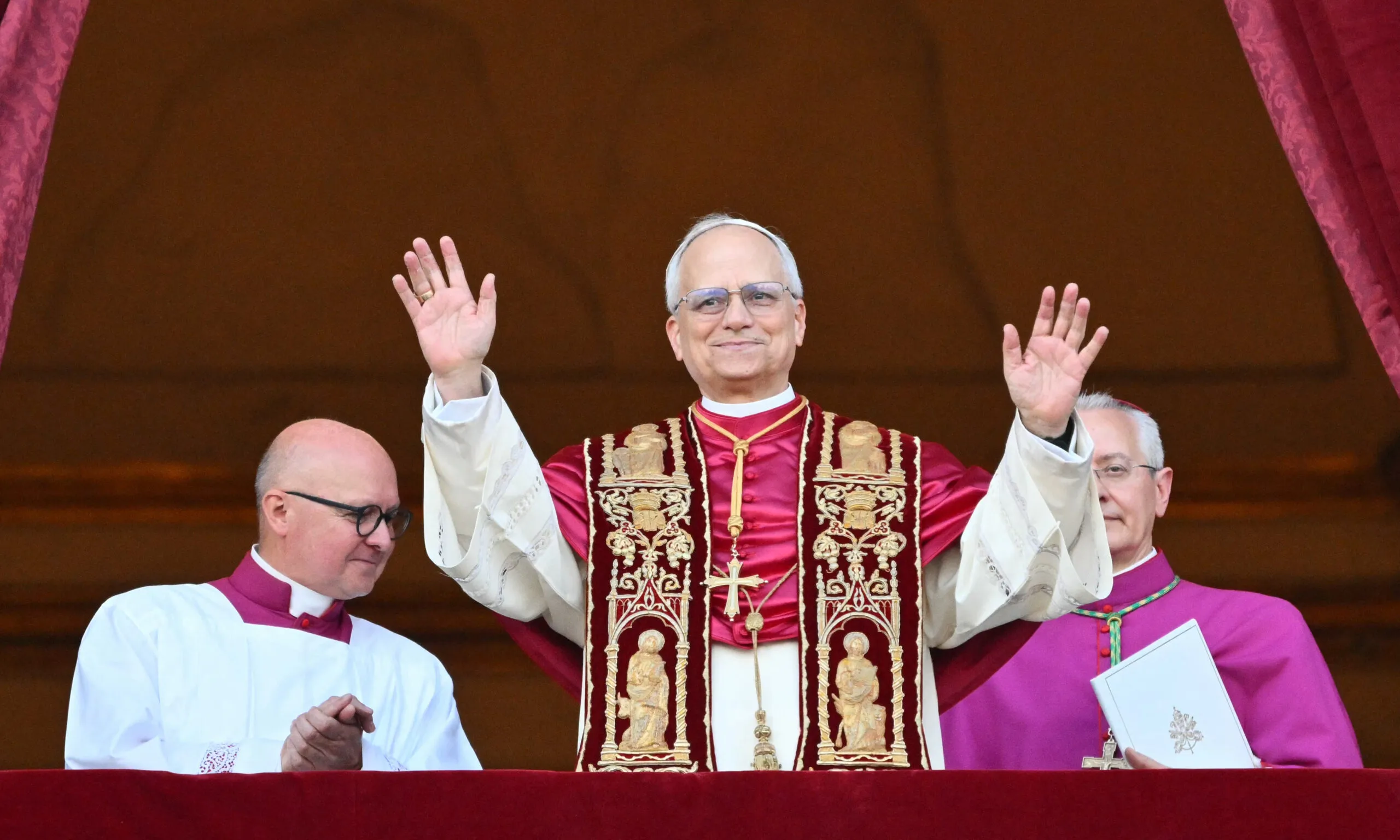


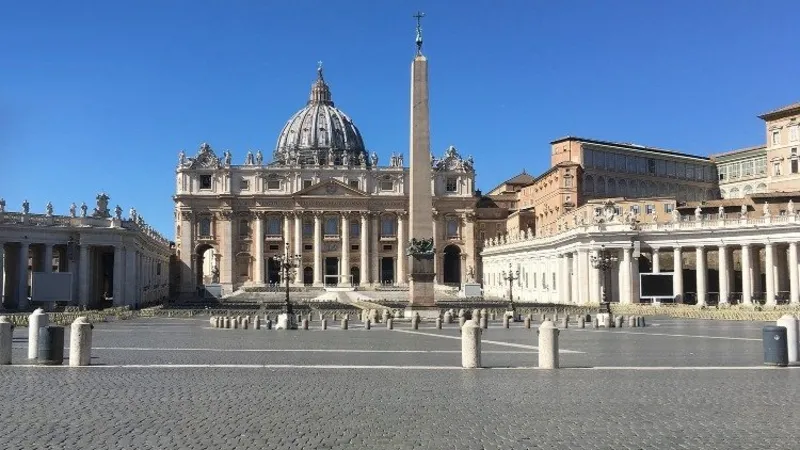
Pope Leo XIV Urges Global Debt Justice During Vatican Address on Economic Responsibility
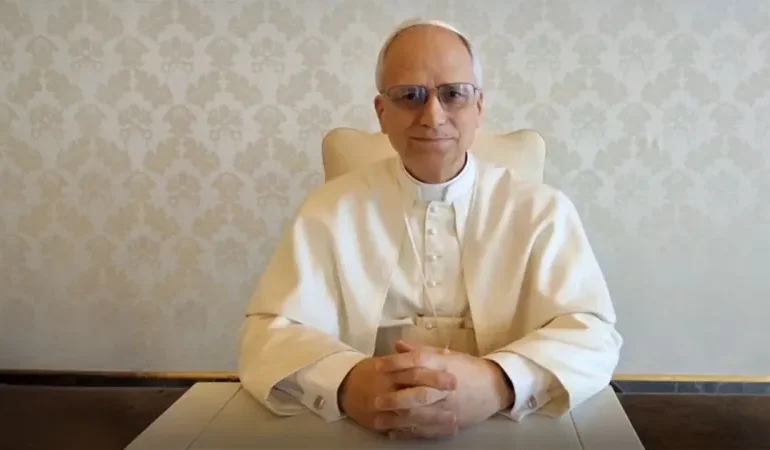

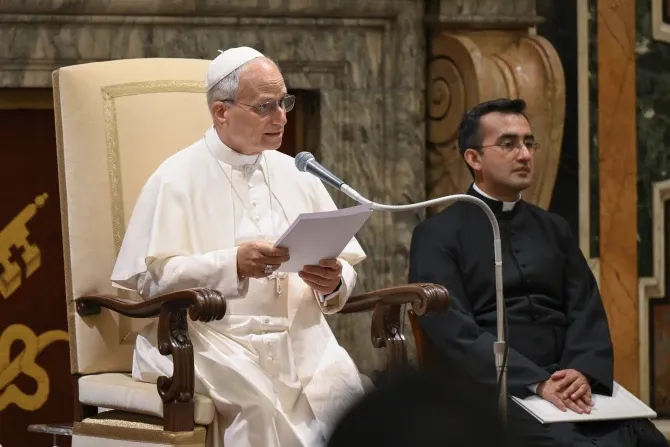
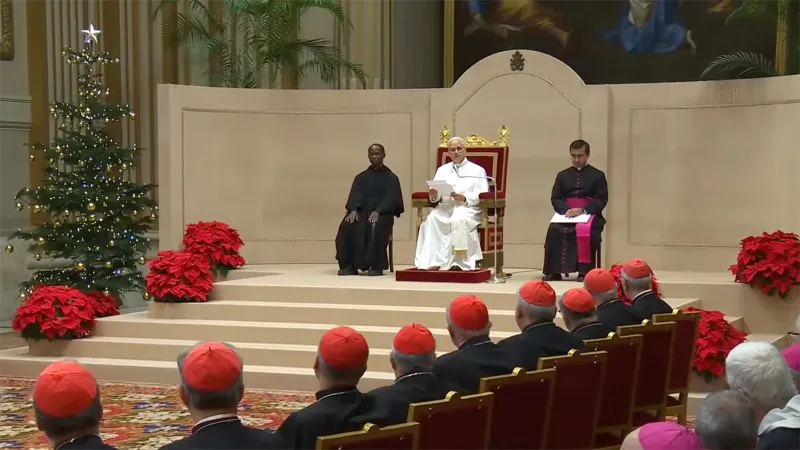
Global debt pressures have become one of the defining economic concerns of the decade, particularly for developing countries struggling with rising borrowing costs and limited fiscal capacity. In a recent address delivered at the Vatican, Pope Leo XIV called for renewed international attention to the moral dimensions of sovereign debt and economic inequality. Speaking to economists, diplomats and Church leaders gathered in Rome, the Pope emphasized that financial systems must serve human dignity and social stability rather than deepen structural poverty. His remarks reflect a longstanding tradition of Vatican engagement with global economic justice debates.
Debt Justice and Human Dignity in Global Finance
In his address, Pope Leo XIV argued that economic policies affecting indebted nations must be evaluated not only through financial indicators but also through ethical principles. According to summaries reported by Vatican News, the Pope encouraged international institutions and creditor governments to consider the social consequences of debt restructuring frameworks. Excessive repayment burdens can limit the ability of countries to invest in healthcare, education and infrastructure. When fiscal policy prioritizes debt servicing above essential social spending, communities often face prolonged economic hardship. The Pope therefore framed debt justice as a question of moral responsibility within the global financial order.
The Burden of Rising Borrowing Costs
Over the past several years, many emerging economies have experienced increasing borrowing costs as global interest rates fluctuate. Higher debt servicing obligations place pressure on national budgets and restrict development initiatives. Pope Leo XIV noted that this situation often forces governments to reduce social programs or delay public investment. Such decisions can slow economic growth and deepen inequality within vulnerable regions. The Pope encouraged policymakers to recognize that long term financial sustainability requires economic systems capable of supporting human development rather than merely enforcing repayment schedules.
Dialogue Between Financial Institutions and Governments
The Vatican has frequently advocated dialogue between international lenders and borrower nations as a pathway toward balanced solutions. Representatives of the Holy See maintain diplomatic relationships with global financial institutions and governments involved in debt negotiations. Pope Leo XIV suggested that cooperative frameworks should prioritize economic recovery and social stability alongside fiscal responsibility. Dialogue can help identify restructuring arrangements that allow countries to meet obligations while preserving the capacity to invest in development. Such approaches, he argued, benefit both creditors and debtor nations by supporting long term economic resilience.
Ethical Foundations of Economic Policy
Catholic social teaching provides a framework for evaluating economic decisions according to principles such as solidarity, subsidiarity and the common good. Pope Leo XIV reminded participants that financial systems operate within broader social contexts. Economic policies must therefore respect the dignity of individuals and communities affected by financial decisions. Ethical leadership in economic governance requires balancing market efficiency with social responsibility. By emphasizing these principles, the Pope encouraged economists and policymakers to integrate moral reflection into financial policy debates.
A Call for International Cooperation
The Pope’s remarks also highlighted the importance of cooperation among governments, international institutions and civil society organizations. Debt challenges cannot be addressed by individual nations alone because financial markets operate globally. Cooperative initiatives can help stabilize economies facing severe fiscal stress while preventing disruptions to international financial systems. Pope Leo XIV encouraged collaborative approaches that promote transparency, accountability and shared responsibility in debt negotiations.
Conclusion
Pope Leo XIV’s appeal for global debt justice underscores the Vatican’s enduring concern for the ethical dimensions of international finance. By urging dialogue, responsible lending practices and policies that protect human dignity, the Pope highlights the need for economic systems that support development and stability rather than deepen inequality across vulnerable societies.