Pope Leo XIV Urges Italian Prefects to Safeguard Civil Harmony and Protect the Common Good


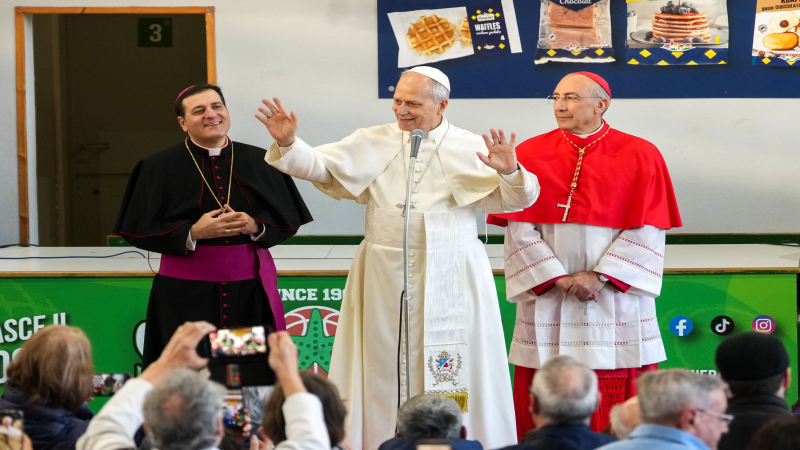
Pope Leo XIV on Monday addressed the Prefects of the Italian Republic, encouraging them to uphold civil harmony and ensure that all citizens, especially the most vulnerable, benefit from the rule of law and equal access to public services. The meeting brought together representatives of the government’s executive authority at the provincial level, whose responsibilities include maintaining public order and coordinating state administration across Italy.
In his remarks, the Pope reflected on the historical relationship between civil and ecclesial authorities, recalling the early centuries of the Roman Empire when Prefects and Bishops exercised distinct yet complementary responsibilities in society. He cited the example of St Ambrose of Milan, who served as Prefect before being acclaimed Bishop by the local population. After his unexpected transition to ecclesial leadership, Ambrose continued to serve the people, integrating his civic experience with spiritual authority.
Drawing from that historical reference, Pope Leo emphasized that cooperation between Church and State remains vital in modern society. While their roles are distinct, both institutions share a responsibility to safeguard the well being of individuals and communities. He noted that the common good extends beyond material prosperity and includes the moral and spiritual heritage that shapes national identity.
The Pope observed that contemporary society faces significant challenges, including international tensions and social fragmentation. In such a context, he said, preserving social harmony becomes essential. By promoting order and legality, Prefects contribute to creating conditions in which the poor can find welcome, the elderly experience security, and families, young people, and the sick have access to essential public services.
He underlined that public order is not limited to combating crime but also involves countering forms of violence, misinformation, and degradation that erode trust and unity. Effective governance, he suggested, depends on integrity and an upright conscience among those entrusted with authority. Civil servants, he said, are called to interior discipline and professional responsibility, qualities that sustain public confidence in institutions.
Pope Leo also highlighted the coordinating role of Prefects in fostering collaboration among different state bodies. In times of emergency, whether due to natural disasters or other crises, their leadership can help express solidarity, courage, and justice, values that strengthen democratic institutions and social cohesion.
Addressing the evolving landscape of public administration, the Pope acknowledged the growing impact of new technologies, including artificial intelligence. He encouraged their responsible use in order to expand access to services and ensure that no segment of the population is excluded. Technological innovation, he noted, should serve human dignity and enhance fairness in governance.
Concluding his address, Pope Leo reaffirmed the Catholic Church’s respect for the Italian State and its willingness to collaborate for the benefit of society. He thanked the Prefects for their commitment to fostering a style of citizenship that is conscious, honest, and active, rooted in service to the nation and attentive to the needs of every person.