




Pope Leo XIV’s Peace Message
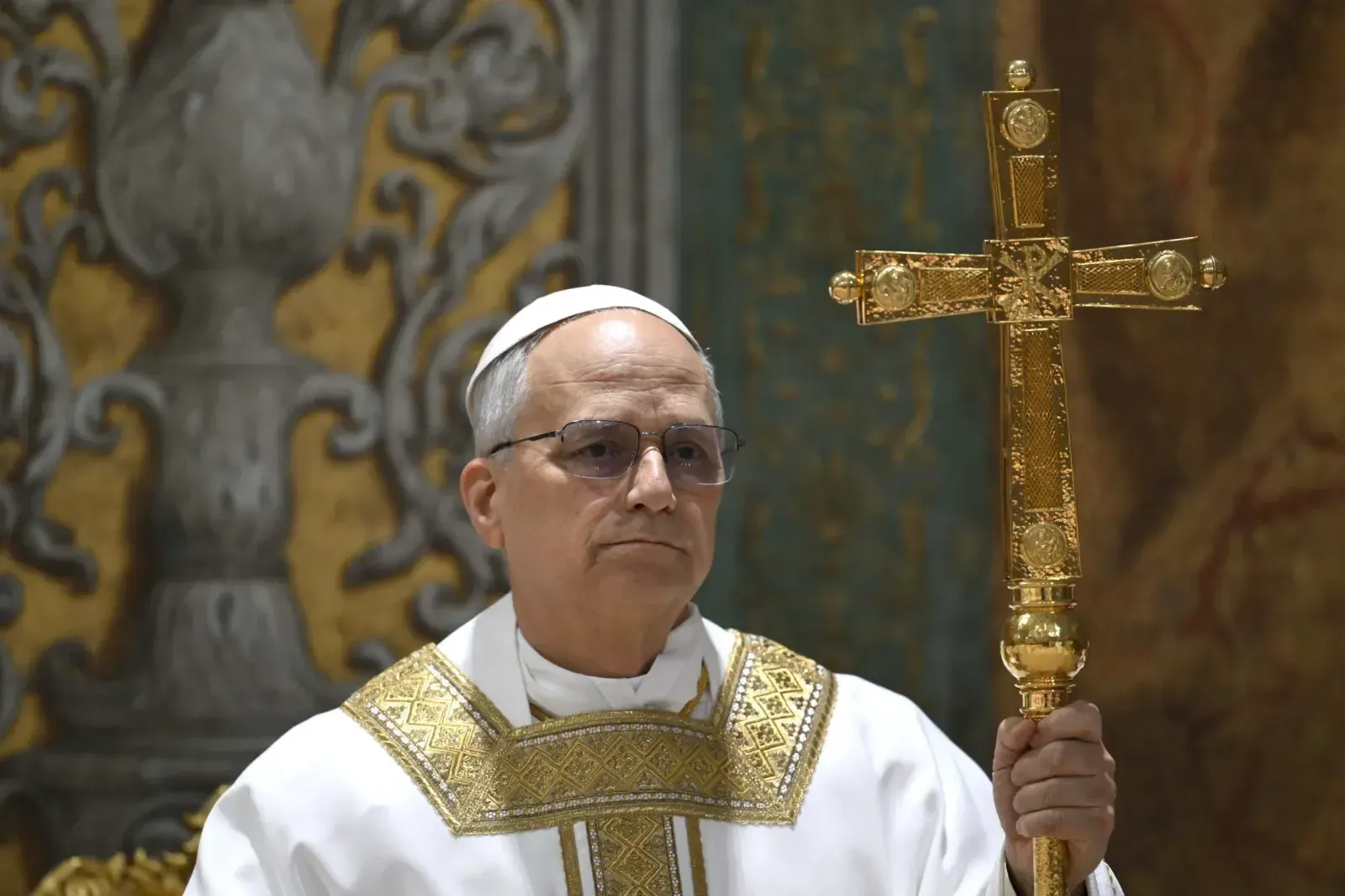
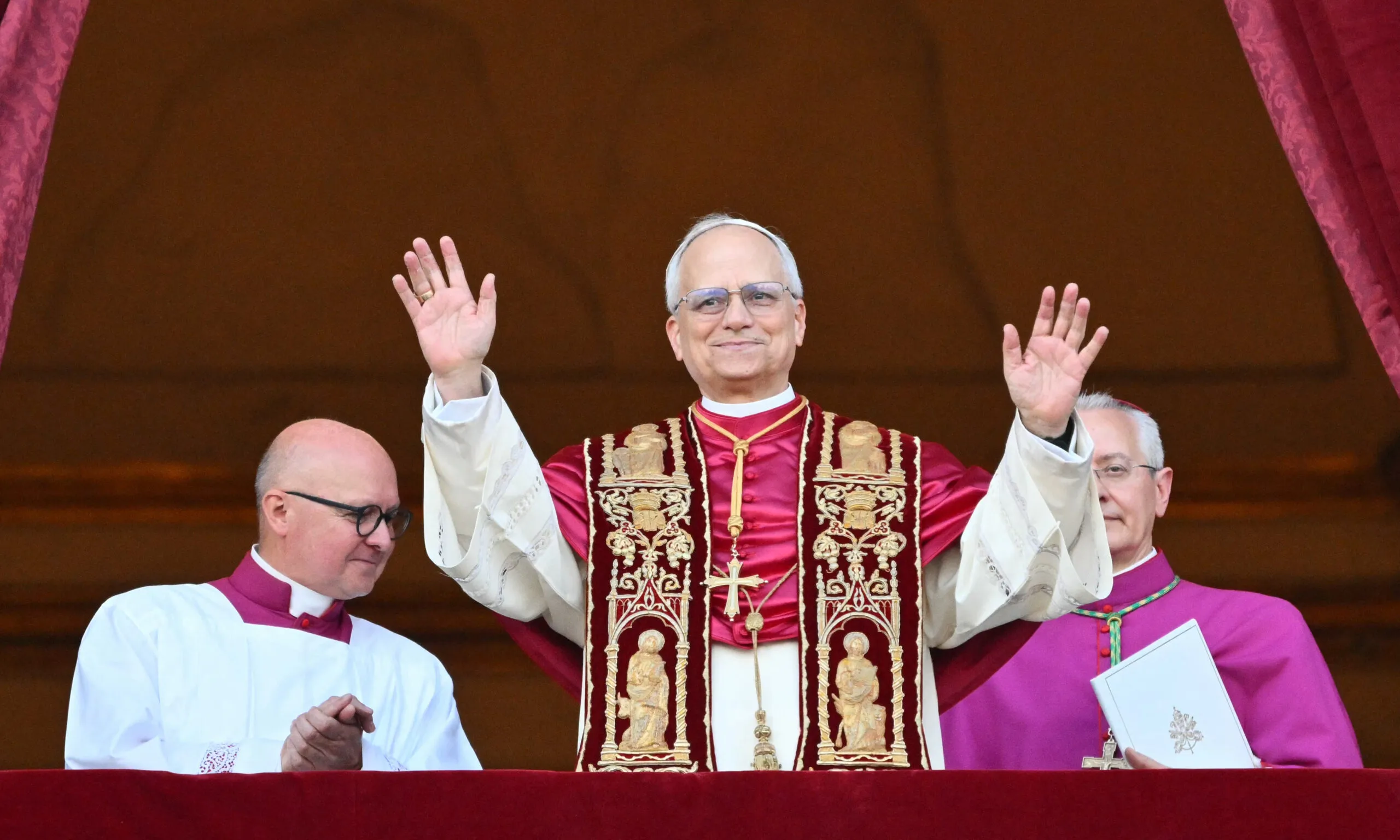
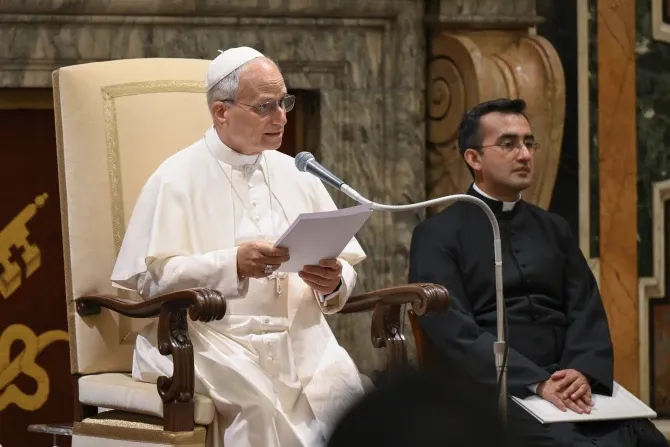
Pope Leo XIV delivered a clear peace appeal from Castel Gandolfo, framing his message as an urgent appeal to people of goodwill to reject war and choose dialogue. Pope Leo XIV kept the focus on concrete moral responsibility rather than abstract diplomacy, emphasizing that every public voice, including media, civic leaders, and believers, carries weight when violence is normalized. Today, his remarks were treated as a direct intervention in ongoing debates about escalation and restraint, with the Vatican positioning the Pope’s words as a call for conscience and measured leadership. Live coverage from correspondents in the area captured the tone as firm and pastoral, underscoring that peace is not passive but an active decision that must be renewed in every crisis.
The Importance of Rejecting War
In the same address, Pope Leo XIV argued that rejecting war is not a slogan but a discipline that shapes policy, rhetoric, and public expectations, especially when governments face domestic pressure to respond with force. He stressed that the moral line is crossed when war is treated as inevitable or cleansing, because that logic quickly turns civilians into collateral and turns negotiations into weakness. The Vatican’s framing echoed the long standing Catholic insistence that peace is built by patient engagement and by refusing language that dehumanizes opponents. Readers following a separate, unrelated sports rules story at a suspension reshuffle report will recognize the contrast, discipline in sport is procedural, while restraint in war is existential, and the Pope pressed leaders to remember that distinction.
International Law and Civilian Protection
Pope Leo XIV anchored his appeal in international law, pointing to the duties that remain binding even when conflict intensifies, especially the protection of civilians, medical services, and humanitarian corridors. He spoke as though the basic rules are already known, but too often ignored, and he pressed for accountability that is consistent rather than selective. Update reports from Vatican outlets highlighted this legal emphasis as more than a diplomatic nod, it was a direct reminder that wars do not suspend human dignity or erase obligations toward noncombatants. Today, he also linked civilian suffering to long term instability, warning that the deliberate targeting of ordinary people plants grievances that endure for generations. For context on the published account, see Vatican News reporting on the Castel Gandolfo appeal.
Castel Gandolfo: A Historical Venue
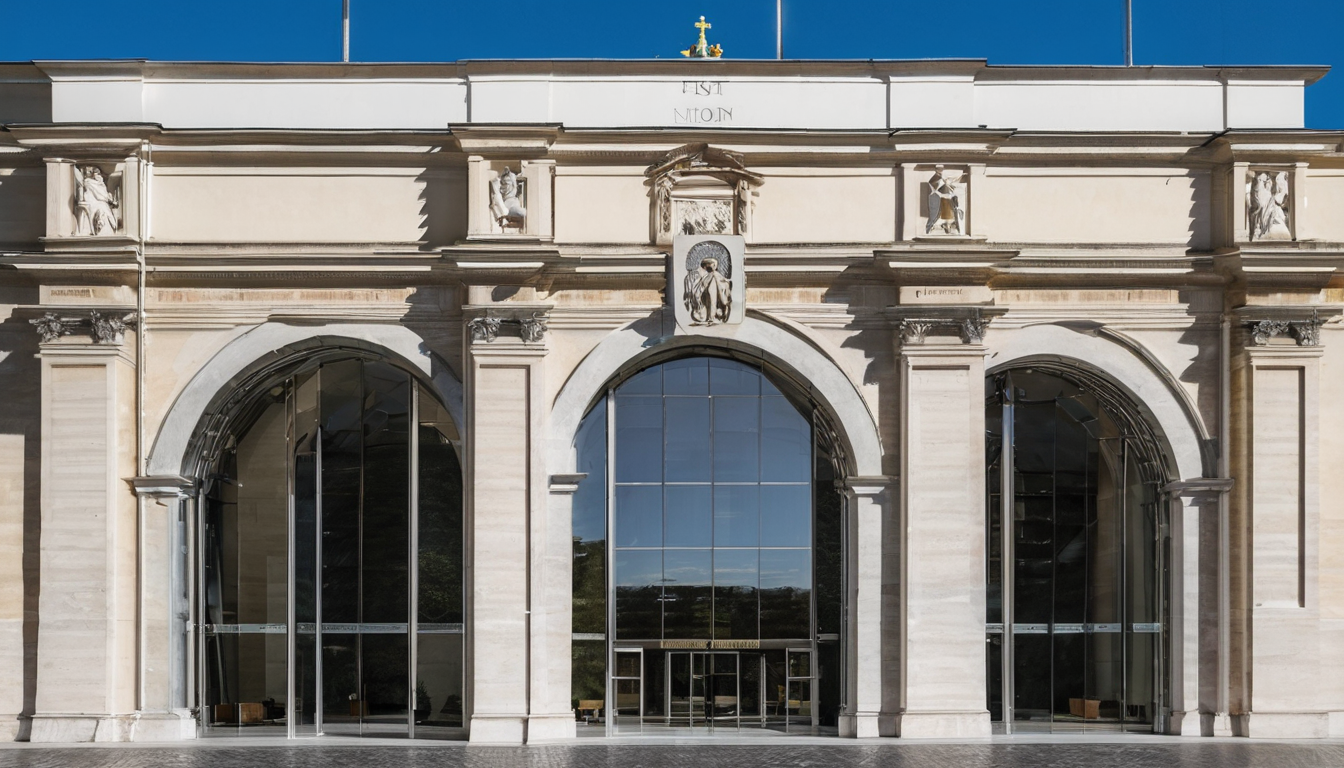
Castel Gandolfo gave the message additional resonance because the setting signals continuity with papal interventions that favor quiet moral authority over theatrical politics. The venue’s history as a retreat does not dilute the impact, it can sharpen it, because statements made there often read as considered and deliberate rather than reactive. In Live terms, the optics mattered, the Pope spoke from a place associated with reflection, but his language stayed grounded in present emergencies and the suffering that conflict delivers daily. The address also carried an implicit media note, that reporting should illuminate human cost and legal realities, not only strategy and spectacle. That emphasis on careful communication mirrored the Vatican’s effort to keep the conversation on protection, restraint, and the measurable outcomes that follow from policy choices.
Global Implications of the Pope’s Appeal
The broader impact of Pope Leo XIV’s peace appeal lies in how it pressures decision makers and opinion shapers to treat peace as a credible path, not an afterthought, even when negotiations appear stalled. Update reactions among diplomats and humanitarian observers tend to focus on whether such language can stiffen resolve for ceasefires, access for aid, and prisoner exchanges, all areas where public moral pressure can move timelines. The Pope’s approach also speaks to fragmented audiences, believers, secular institutions, and civil society groups, by insisting that the protection of civilians is not partisan and not optional. Live discussion in Catholic networks framed the appeal as a standard of judgment for leaders, media, and voters, because indifference is itself a form of consent when atrocities become routine.