
Pope Leo XIV Urges Responsible Migration Policies in Address to European Bishops
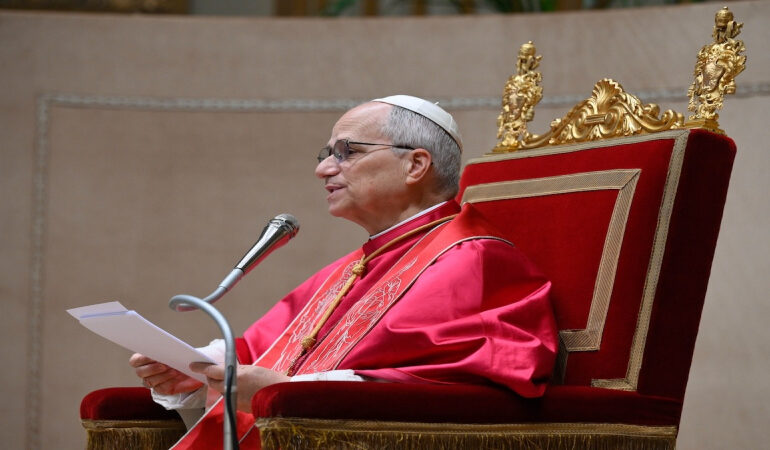

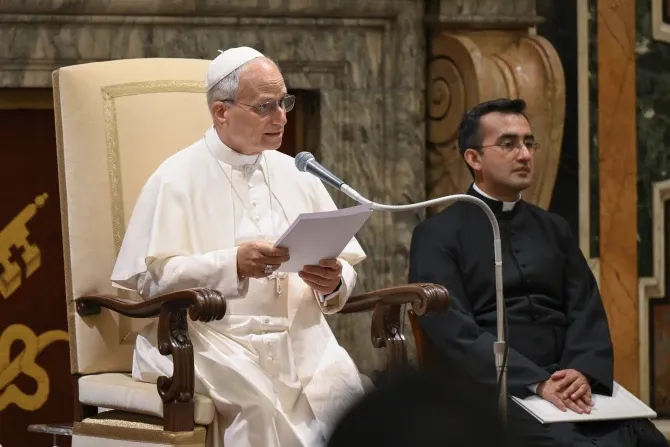
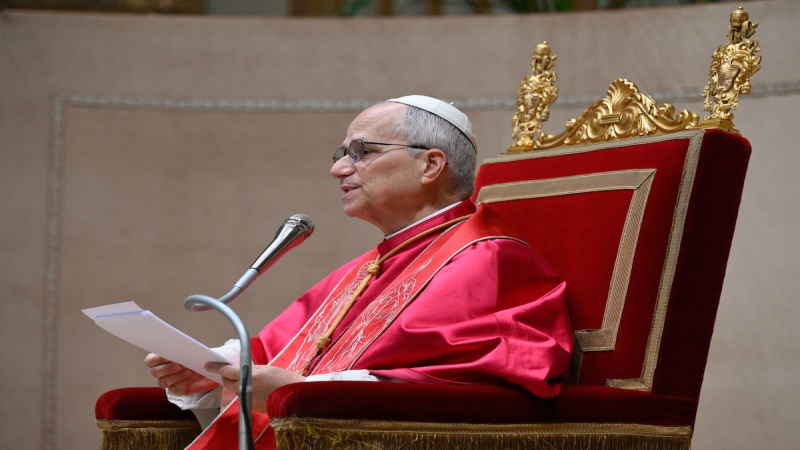
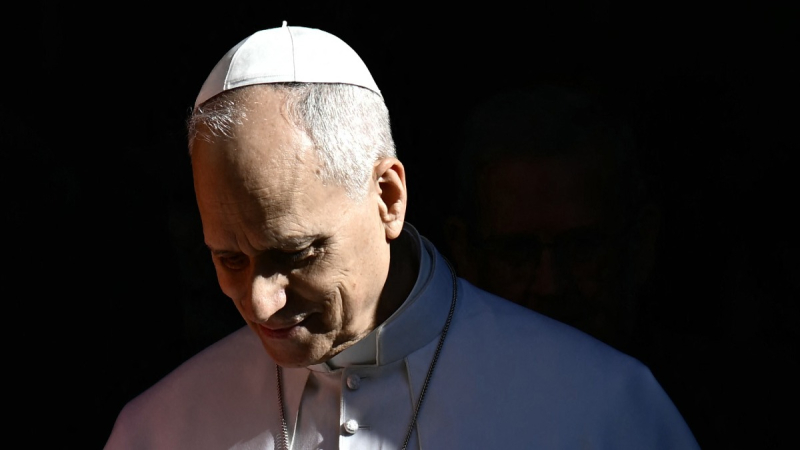
Migration has reemerged as one of Europe’s most pressing political and humanitarian questions in 2026. Addressing a gathering of bishops from across the continent, Pope Leo XIV called for migration policies rooted in human dignity, legal clarity and shared responsibility among nations. The Pope’s remarks, summarized through Vatican News, emphasized that border governance and humanitarian protection are not mutually exclusive objectives. For global observers, the address reflects the Vatican’s consistent engagement in debates where law, economics and moral theology intersect.
Migration, Sovereignty and Human Dignity
Pope Leo XIV framed migration as a structural phenomenon rather than a temporary emergency. Conflict, economic instability and climate stress continue to displace populations across multiple regions. European states retain sovereign authority to regulate borders, yet the Pope stressed that such authority must operate within international human rights commitments. He reminded bishops that Catholic social teaching affirms both the right to migrate when survival is at stake and the responsibility of states to pursue the common good. The tension between these principles requires prudential judgment rather than ideological rigidity. According to the Pope, legal migration pathways and humane reception systems are central to preserving social cohesion while protecting vulnerable individuals.
Economic Realities and Labor Markets
The address also acknowledged economic dimensions often overshadowed by political rhetoric. Aging European populations face labor shortages in sectors ranging from healthcare to agriculture. Responsible migration policy can contribute to economic stability when integrated with labor planning and education initiatives. Pope Leo XIV encouraged bishops to engage policymakers in discussions about structured integration rather than reactive enforcement alone. Migration flows, when managed transparently, can complement economic needs. However, unmanaged displacement risks fueling informal labor markets and social fragmentation. The Pope’s position therefore aligns moral reasoning with pragmatic governance.
Church Responsibility and Social Integration
Beyond state policy, the Pope highlighted the pastoral responsibility of local churches. Parishes frequently serve as first points of contact for migrants and asylum seekers. Bishops were urged to strengthen cooperation with civil authorities while maintaining charitable outreach. Social integration involves language education, employment assistance and community dialogue. The Vatican’s perspective recognizes that public policy and grassroots engagement must function together. Church institutions can mediate tensions by fostering encounter rather than polarization.
European Coordination and Solidarity
Pope Leo XIV also addressed the importance of coordination among European nations. Disparities in asylum systems and border management create uneven burdens and political strain. The Pope called for shared responsibility mechanisms that distribute humanitarian obligations more equitably. Solidarity, in this context, is not rhetorical but operational. Cooperation among states reduces the likelihood of unilateral measures that undermine regional stability. By encouraging dialogue among bishops, the Pope sought to strengthen ecclesial advocacy for policies that balance compassion with legal order.
Diplomacy and Global Context
Migration intersects with broader diplomatic priorities of the Holy See. Vatican diplomacy often addresses root causes of displacement, including armed conflict and economic inequality. In his remarks, Pope Leo XIV reiterated that long term solutions require peacebuilding and development initiatives in countries of origin. Preventing forced migration demands investment in stability abroad. This global lens situates European policy within a wider framework of international responsibility.
Conclusion
Pope Leo XIV’s call for responsible migration policies underscores the Church’s effort to balance sovereignty, economic realism and human dignity. By encouraging coordinated European action and sustained pastoral engagement, the Pope reinforces a vision of migration governance grounded in law, solidarity and moral responsibility.