Pope Leo XIV Warns Madrid Priests Against Political Misuse and Marginalization of Faith
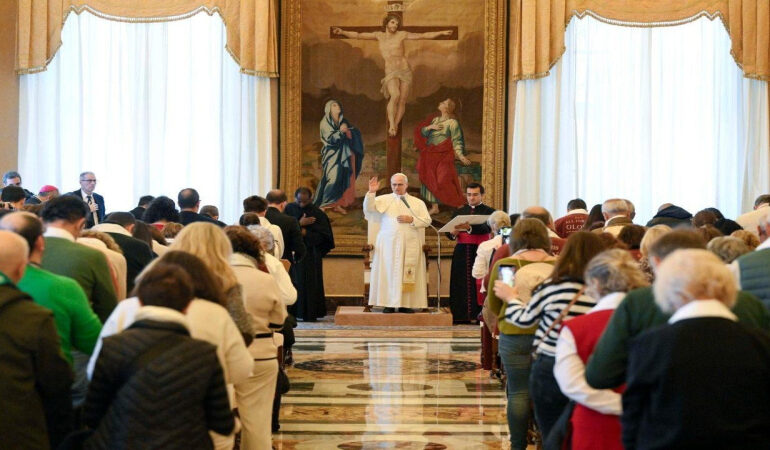

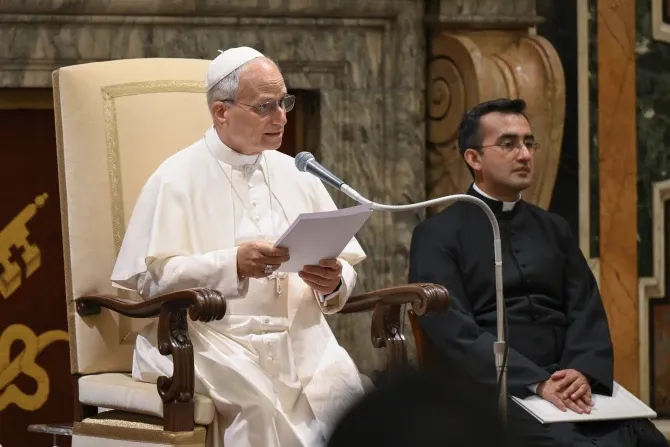
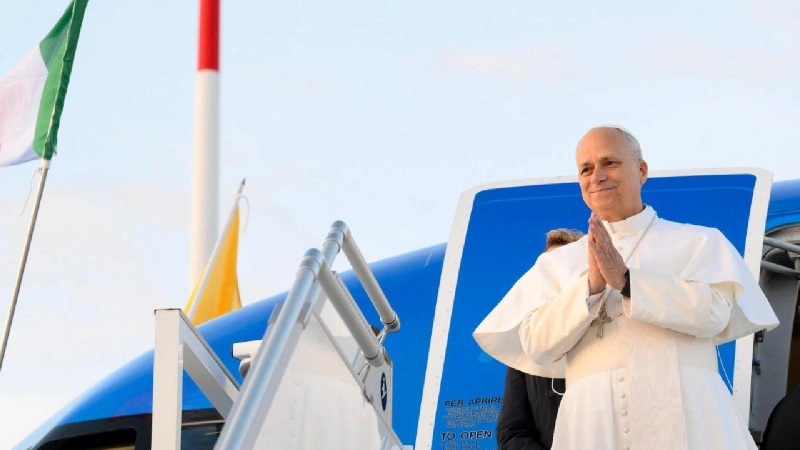
Pope Leo XIV has addressed a pastoral letter to around eleven hundred priests of the Archdiocese of Madrid, warning that faith in contemporary society faces a dual risk of being instrumentalized for political purposes or pushed into irrelevance amid growing polarization and secularization. The message comes at a time of political uncertainty in Spain, marked by electoral shifts, public debate over migration, and renewed tension between Church and State.
In his letter, the Pope reflects on the broader cultural environment shaping pastoral ministry. He notes that many societies are experiencing advanced secularization alongside increasingly polarized public discourse. Within this context, he warns, the complexity of the human person is often reduced to ideological categories that are partial and insufficient. According to the Pope, this dynamic creates a climate in which faith can be used as a tool to support political agendas, trivialized in public debate, or excluded entirely from the social sphere.
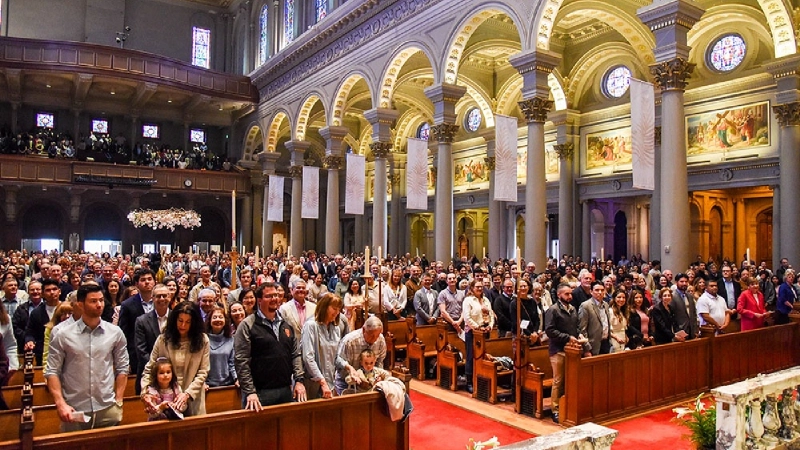
The message was read during Convivium, a two day assembly held in Madrid on February 9 and 10, bringing together diocesan priests along with laypeople and members of religious communities. The gathering focused on pastoral priorities and the challenges of ministry in a rapidly changing cultural landscape. Cardinal José Cobo, Archbishop of Madrid, participated in the meeting, which included dozens of working groups reflecting on evangelization, social engagement, and priestly life.
Pope Leo XIV situates his warning within a society where traditional reference points are weakening. He observes that in the past, Christian language and moral frameworks were widely shared, providing common ground for the proclamation of the Gospel. Today, he says, that shared foundation has eroded. As a result, the Gospel often encounters not only indifference but a cultural environment where words carry different meanings and faith can no longer be presumed.
The Pope’s reflections intersect with ongoing political developments in Spain. Recent regional elections in Aragón have intensified speculation about a potential shift in national power, while debates over migration policy have highlighted divisions between political parties and within public opinion. These tensions have also affected relations between government leaders and the Catholic hierarchy, particularly on questions of social policy and public symbolism.
Church leaders in Spain have continued to speak on issues such as migration and human dignity, sometimes drawing criticism from political figures who accuse the Church of interference. At the same time, parties that claim to defend Catholic values have clashed with bishops over social teaching, especially regarding the treatment of migrants and the poor. This complex landscape illustrates the Pope’s concern that faith risks being reduced either to a political identity marker or dismissed as irrelevant in public life.
Pope Leo XIV encourages Madrid’s priests to remain attentive to these challenges without retreating from their mission. He calls for a form of ministry capable of dialogue, discernment, and faithful witness in a society where religious belonging can no longer be assumed. Rather than aligning faith with ideology or withdrawing from public engagement, the Pope urges clergy to propose the Gospel with clarity and humility, rooted in the dignity of the human person and open to a plural cultural context.