

Pope Leo XIV Warns That Children and Adolescents Are Vulnerable to AI Manipulation


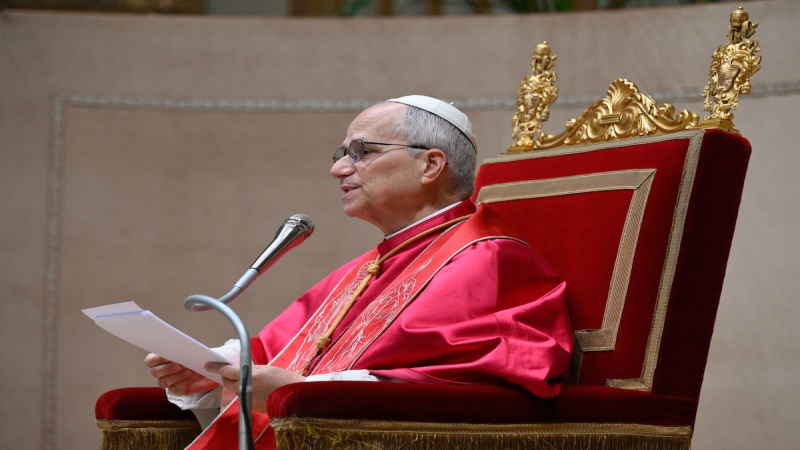
Pope Leo XIV has cautioned that children and adolescents are increasingly exposed to manipulation through artificial intelligence, urging the global community to prioritize digital education and ethical responsibility. His remarks were delivered at the Vatican during the conference titled “The Dignity of Children and Adolescents in the Age of Artificial Intelligence,” where experts and faith leaders gathered to discuss the moral challenges posed by emerging technologies.
The Pope noted that artificial intelligence is rapidly reshaping daily life, influencing how young people learn, play, communicate, and access information. While these technologies offer opportunities for development, he stressed that they also raise serious ethical concerns, particularly regarding the protection of minors who may not recognize how algorithms influence their choices.
Pope Leo XIV explained that children are especially vulnerable to subtle forms of digital manipulation. AI tools can shape their preferences, track their behavior, and expose them to targeted content that affects emotional and psychological development. He emphasized that parents and educators must remain fully aware of these risks and take active steps to guide children in safe and responsible technology use.
Governments and international organizations, he said, have an obligation to develop policies that defend the dignity of minors. This includes updating data protection laws, regulating the use of personal information, and promoting global ethical standards for the development and deployment of artificial intelligence. However, the Pope warned that policy alone is not enough to address the deeper challenges.
Safeguarding children requires a commitment to digital education rooted in human values. Pope Leo XIV recalled the words of Pope Francis, who spoke of adults as “artisans of education” responsible for shaping young minds with care and wisdom. He said that ethical guidelines are essential but must be accompanied by daily efforts from families, teachers, and communities.
The Pope urged adults to strengthen their understanding of the digital world so they can recognize the risks of early and unsupervised access to technology. By learning alongside young people, adults can help children develop the critical thinking skills needed to navigate complex digital environments and make informed choices.
Pope Leo XIV encouraged the creation of collaborative networks that support adults in their educational role. These networks, he said, should help families and schools remain updated on AI risks, psychological impacts, and the importance of monitoring online experiences.
He stressed that young people must be guided to see technology as a tool that can support personal growth rather than a force that shapes identity or replaces genuine human relationships. Only a thoughtful and ethical approach, he said, can ensure that AI becomes an ally in human development rather than a threat to it.
In closing, Pope Leo XIV expressed hope that the conference would contribute to lasting commitments that protect young people and strengthen the entire Church and global community. He concluded by offering his blessing to all who work for the safety and dignity of children.