
Pope Leo’s First Foreign Trip Shows His Emerging Leadership Style on the Global Stage
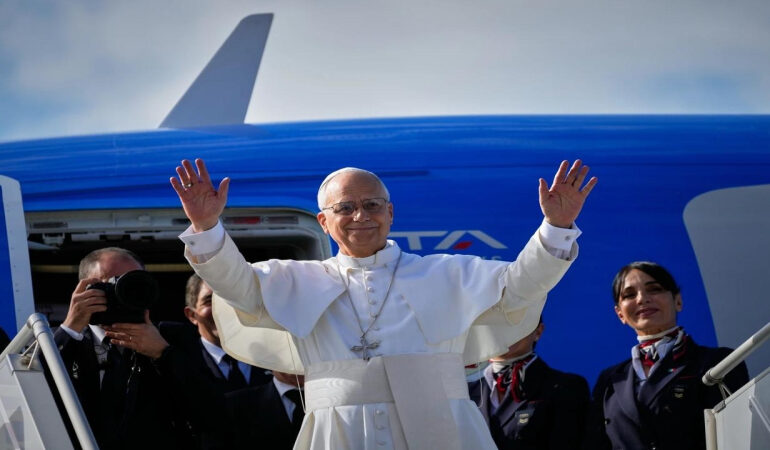

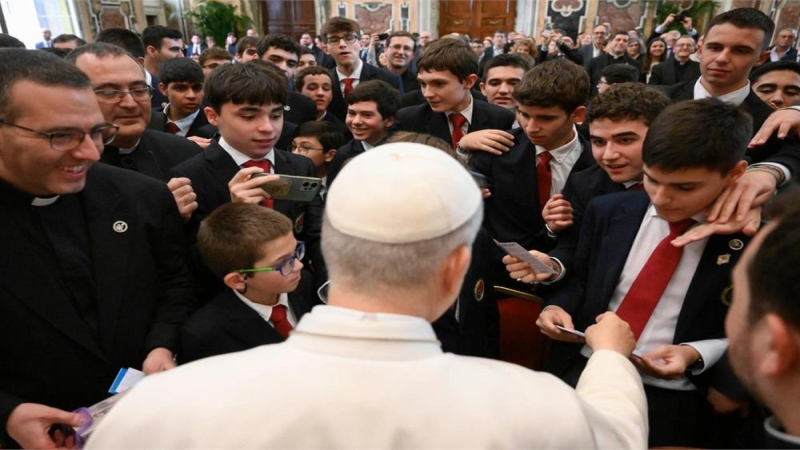
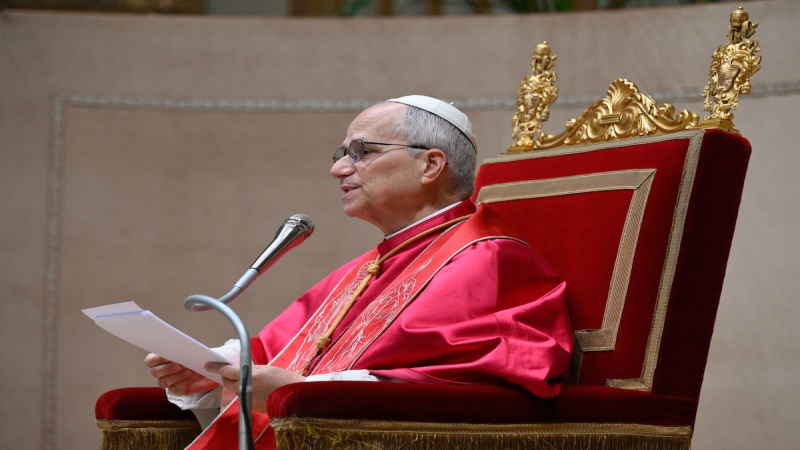
Pope Leo XIV’s first international journey to Turkey and Lebanon offered the world its clearest picture yet of how the new pontiff is shaping his leadership in a global environment marked by political complexity and religious diversity. For a figure long known for his discreet and understated character, the transition from a quiet administrator to a public spiritual leader has been described by observers as both rapid and profound. Throughout the visit, he balanced humility with increasing confidence as he met world leaders, addressed large crowds and engaged in ecumenical encounters intended to strengthen diplomatic and pastoral relationships. Witnesses noted that although his gestures and presence remained modest, his message carried growing clarity and vigor as he adapted to the demands of speaking to vast audiences who looked to him for reassurance. The trip provided the first extended look at how he communicates when placed at the center of international attention, a role that contrasts sharply with the quieter responsibilities that defined most of his life.
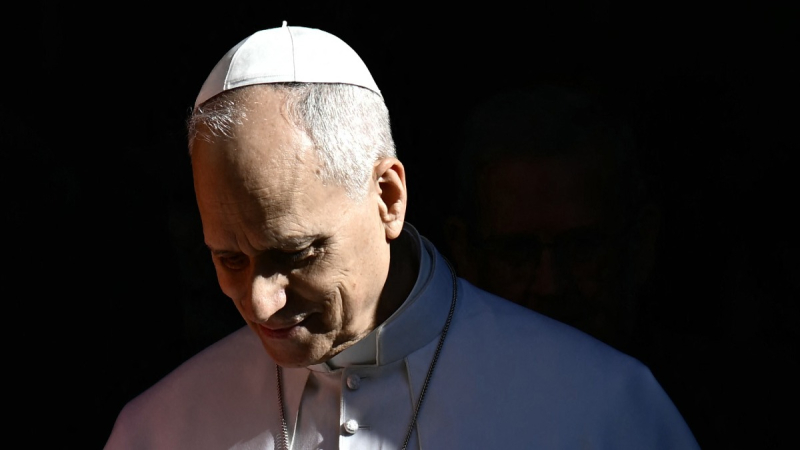
Before his election, Leo was known primarily within ecclesial circles for his long missionary service in Peru and his administrative roles in the Vatican, often working behind the scenes without public visibility. His sudden rise to global prominence required him to learn quickly how to manage the expectations of a worldwide audience while preserving his distinctive pastoral identity. On this journey, he appeared deeply moved by the crowds in Istanbul and Beirut, often pausing as cheers echoed around him. His reflections revealed the tension between the personal humility he maintains and the symbolic authority he represents. Those traveling with him noted that even as he embraced the magnitude of the role, he remained grounded in his characteristic simplicity, speaking in a manner that emphasized the message rather than the messenger. His approach demonstrated that effective leadership can take many forms and that quiet authority can resonate even in demanding diplomatic contexts.
The intensity of the visit’s schedule highlighted the evolving dimensions of his papacy. Closed meetings with political leaders, gatherings with Christian communities and public liturgical events required him to move between diplomatic, pastoral and symbolic responsibilities with little pause. Yet by the end of the trip, his speeches carried more energy, conviction and confidence than when he began, suggesting an ability to grow visibly into roles that require global influence. By acknowledging that crowds come not to see him but to hear a message of peace, he articulated a leadership philosophy rooted in service rather than self-promotion. His style contrasts with the louder profiles of some previous popes but may signal an emerging form of soft influence that aligns with contemporary expectations of moral leadership. The trip affirmed that even amid global turbulence, a calm and centered figure can communicate unity and purpose, offering a steady spiritual presence on the world stage.