
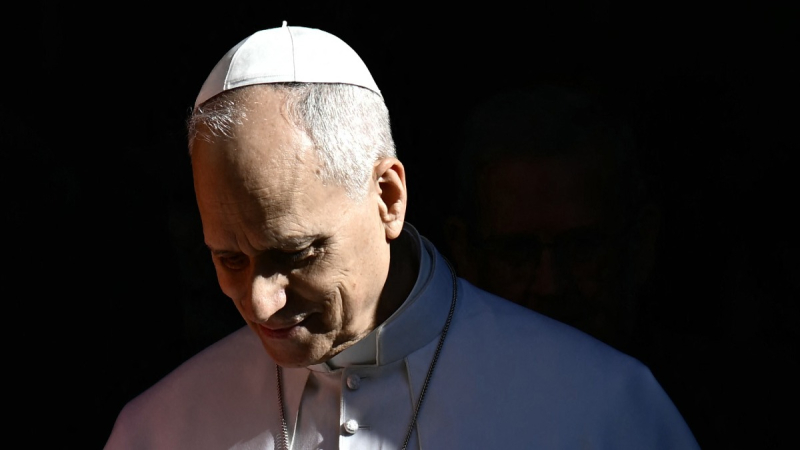
Pope Leo’s Peace Appeal Resonates with Migrant Communities in Lebanon
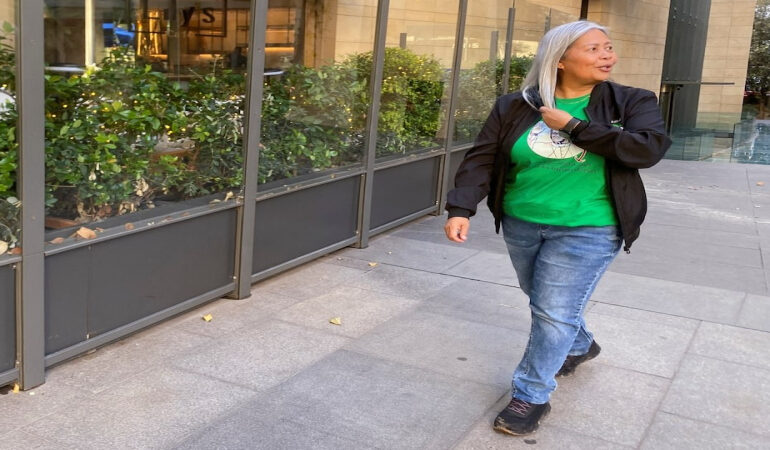

Pope Leo’s recent visit to Lebanon has continued to stir reflection among migrant communities who see in his message a rare acknowledgment of their role in a country bracing for uncertainty. Among those deeply affected is Loren Capobres, a long-time Filipina worker whose testimony about migrants being turned away from shelters during last year’s conflict captured the realities many still endure. Her encounter with the pontiff, though brief, served as a reminder that the Church’s moral influence remains significant for those navigating both economic hardship and instability. The pope’s call for regional leaders to reject the horror of war carries added weight as fears rise of renewed clashes, and the voices of workers like Capobres highlight how vulnerable populations often feel the earliest tremors of conflict. For many migrants, his insistence that every person deserves protection and dignity is not just pastoral language but a necessary moral anchor for a region where tension can quickly outpace diplomacy.
Capobres’s personal experience reflects a pattern that humanitarian observers have often pointed out. Migrant workers make up a large portion of Lebanon’s service labor, yet they frequently face exclusion during emergencies, creating a divide between the essential functions they perform and the protections they receive. During last year’s hostilities, her church became both a refuge and a responsibility as she cared for displaced migrants while seeking safety herself. Her hope that the pope’s words will reach those with the authority to fortify peace underscores a wider sentiment within migrant circles who see spiritual guidance as one of the few consistent sources of reassurance. The growing number of civilian casualties reported across Lebanon, paired with rising anxiety in Beirut’s suburbs, has made the pope’s appeal particularly timely. For Catholics in migrant communities, his visit served as a moral intervention at a moment when political solutions feel fragile.
The pope’s encouragement to persevere resonated with many who are unable to return home without jeopardizing their livelihoods. For workers like Capobres, the ability to remain employed in Lebanon often outweighs the desire to reunite with family, making stability an absolute necessity. Her story has circulated among fellow migrants as an example of how personal testimony can give visibility to overlooked struggles. Many were moved by her description of meeting the pope, an experience she said felt overwhelming and transformative. By amplifying voices like hers, the wider Church narrative around conflict and humanitarian duty gains additional depth. The significance of such moments extends beyond symbolism, reinforcing the Vatican’s long-standing role as a moral observer in regions where conflict intersects with social inequality. As Lebanon confronts renewed fears of escalation, the question remains whether the pope’s appeal for peace will influence political decision makers and strengthen the resolve of communities striving to endure instability.