Pope Leo’s Years in Chiclayo Marked a Shift Toward Participation and Outreach
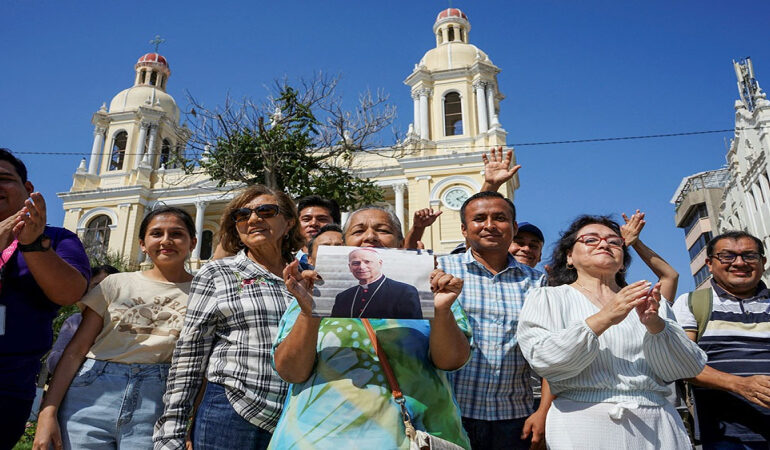

When Pope Francis appointed Robert Francis Prevost as bishop of Chiclayo in northern Peru, the decision signaled a clear pastoral direction for a diocese long shaped by a conservative ecclesial identity. At the time of his appointment in 2014, the local Church was widely regarded as aligned with Opus Dei leadership, reflecting broader divisions within the Peruvian episcopate. Prevost, an Augustinian and longtime missionary with international administrative experience, arrived as an external figure with no direct ties to the dominant structures that had guided the diocese for decades. Rather than introducing abrupt changes, his early approach was marked by continuity and restraint, maintaining existing personnel and structures. Over time, however, his leadership began to reorient diocesan priorities toward broader participation, pastoral coordination and social engagement, gradually reshaping the identity of the local Church without confrontation or rupture.
As bishop, Prevost placed particular emphasis on integrating charitable action into the core life of the diocese. One of his early priorities was strengthening Caritas Chiclayo, expanding its collaboration with civil institutions, nonprofit organizations and local authorities. Under his leadership, charitable outreach became more coordinated and visible, including the establishment of parish based soup kitchens and a diocesan food bank. He also promoted lay leadership within diocesan structures, appointing lay professionals to positions of responsibility and encouraging collaboration across parish and diocesan levels. These changes fostered a sense of shared mission and reduced long standing divisions between clergy and lay initiatives that had previously operated at the margins of diocesan life. Through diocesan assemblies and consultative bodies, Prevost encouraged listening and collective discernment, allowing pastoral priorities to emerge from dialogue rather than top down directives.
Prevost’s leadership style became particularly evident during moments of crisis. Following severe flooding in northern Peru in 2017 that destroyed historic church buildings, he supported reconstruction efforts that balanced fiscal responsibility with pastoral urgency. His trust in local clergy and professionals allowed projects to advance efficiently, restoring damaged churches at significantly reduced cost. During the COVID nineteen pandemic, his role as a convener proved decisive. Recognizing the acute shortage of medical oxygen, he mobilized parish networks, business leaders and donors to establish oxygen plants serving thousands of people free of charge. By linking Church resources with civic and private initiatives, the diocese became a central actor in the regional emergency response. These efforts strengthened public trust in the Church and demonstrated a model of leadership based on coordination rather than control.
Throughout his tenure, Prevost consistently emphasized co responsibility and avoided micromanagement, granting freedom to those entrusted with leadership while remaining accessible and decisive when needed. His pastoral vision encouraged an outward looking Church, attentive to social realities and open to collaboration beyond ecclesial boundaries. When he left Chiclayo in 2023 to assume responsibilities in Rome, many within the diocese described his departure as difficult, reflecting the strong bonds formed during his eight years of service. His experience in Chiclayo, marked by dialogue, pragmatism and inclusion, would later shape perceptions of his leadership following his election as Pope Leo XIV, highlighting continuity between his episcopal ministry and his broader vision for the universal Church.