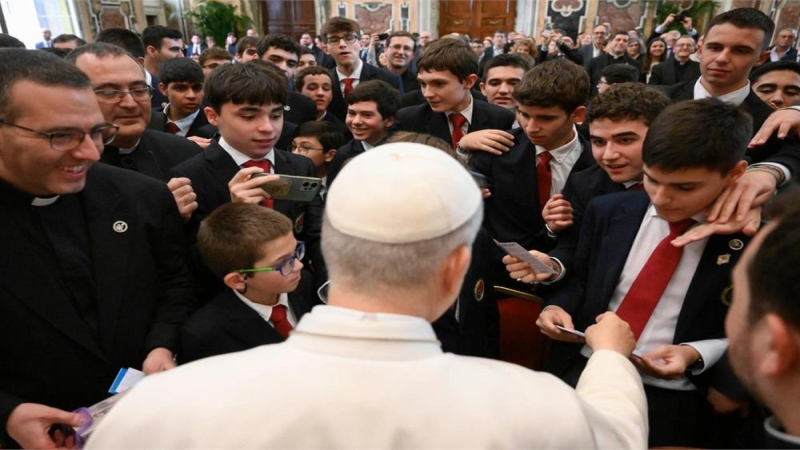
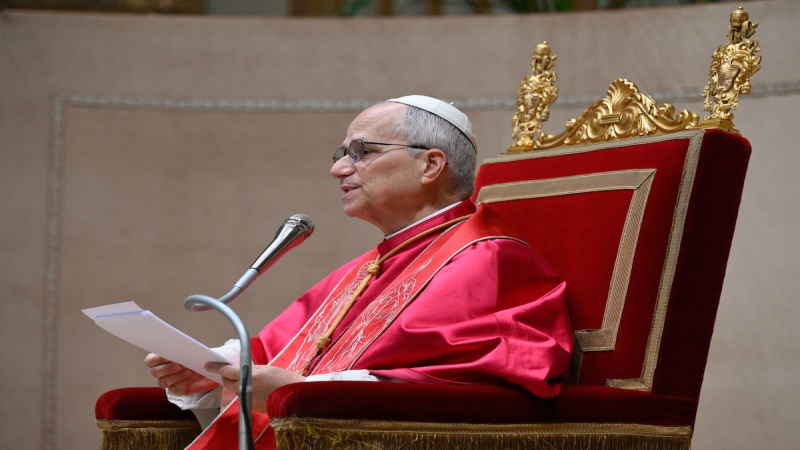

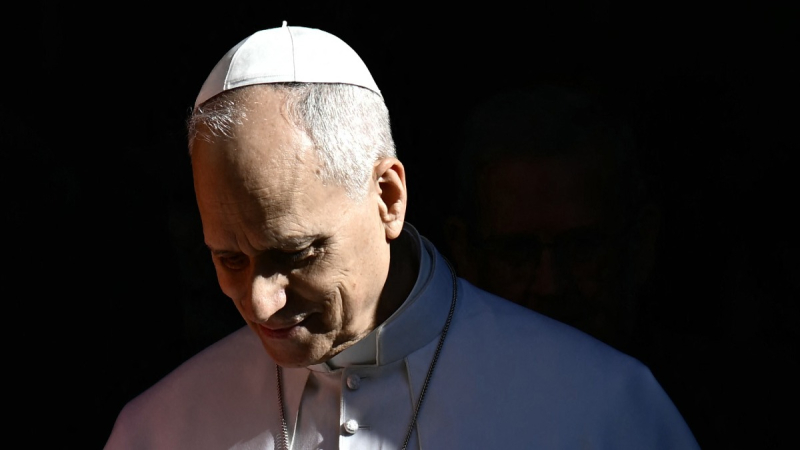
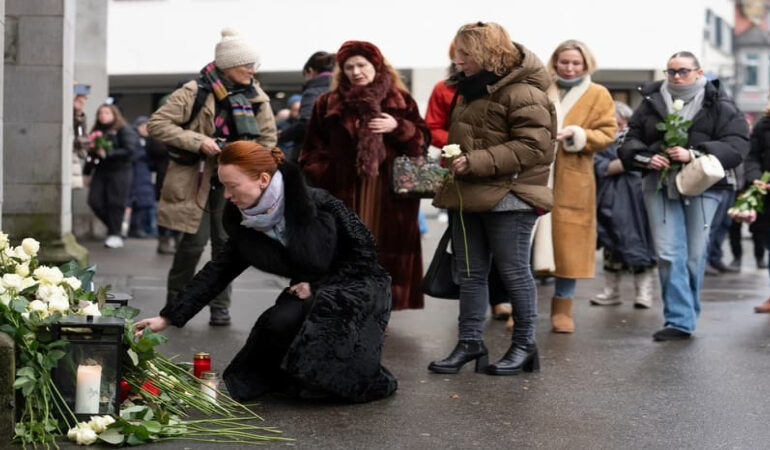

Pope Leo XIV received relatives of young Italian victims of the New Year’s Day fire in the Swiss Alps, offering a moment of presence rather than answers as families continue to grapple with sudden loss. The meeting took place in the Vatican days after the blaze at a bar in the Crans Montana resort claimed dozens of lives and left many more injured. Speaking to parents and relatives, the Pope acknowledged that grief of this kind tests belief itself, particularly when death arrives without warning during a moment of celebration. He told those gathered that no words could repair what had been taken from them, yet affirmed that faith remains a source of light even when meaning feels absent. His remarks reflected a pastoral approach centered on sharing sorrow rather than explaining it, recognizing that mourning unfolds slowly and resists resolution.
The families present represented a country still absorbing the shock of the disaster, which claimed the lives of several Italian teenagers and seriously injured others. Their loss has drawn national attention in Italy, where questions of accountability and safety have intensified public scrutiny. The Pope spoke candidly about the limits of consolation, describing his own words as insufficient to lessen their pain, while encouraging them not to abandon hope in the midst of despair. He framed faith as something that accompanies suffering rather than erases it, offering strength to continue when clarity is lacking. By stepping away from prepared remarks, he emphasized personal closeness over formality, reinforcing the Vatican’s role as a place where grief is received without conditions or expectations of closure.
Beyond the pastoral encounter, the tragedy has taken on a legal and political dimension as investigations unfold across borders. Authorities in Switzerland are examining whether safety standards were followed at the venue, while prosecutors in Italy and France have also opened inquiries. Italian officials have publicly described the fire as a national wound and are seeking full transparency regarding the circumstances that led to the loss of life. These parallel processes underscore how private mourning now exists alongside public demands for accountability. While the Pope did not address the investigations directly, his meeting occurred against this backdrop of unresolved questions, highlighting the tension between the search for responsibility and the human need for compassion that does not depend on outcomes.
The encounter concluded without ceremony, reflecting the reality that grief does not follow institutional timelines. Families left the Vatican to continue a series of meetings with government representatives, carrying both personal sorrow and public attention. The Pope’s intervention did not attempt to reconcile these dimensions, instead remaining firmly focused on the immediate human cost of the disaster. In doing so, he reinforced a model of leadership grounded in presence rather than commentary, offering the Church’s solidarity without entering political or judicial debates. The moment served as a reminder that amid investigations and national discourse, spaces of quiet recognition remain essential for those whose lives have been permanently altered by tragedy.