

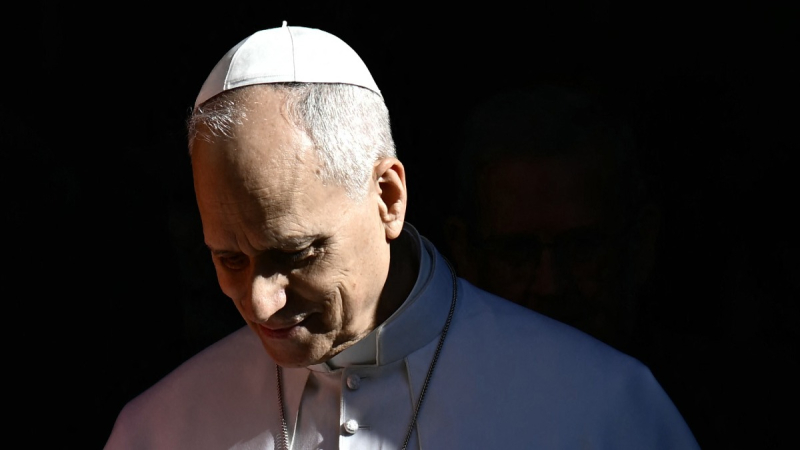
Pope Urges Intelligence Services to Uphold Peace and Human Dignity
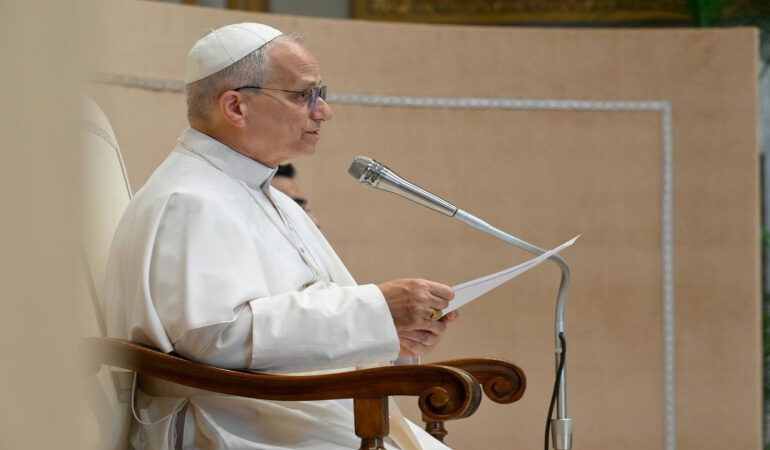

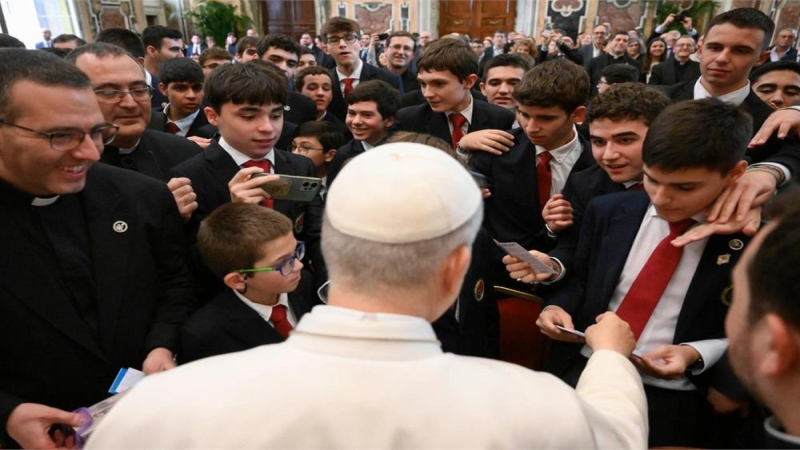
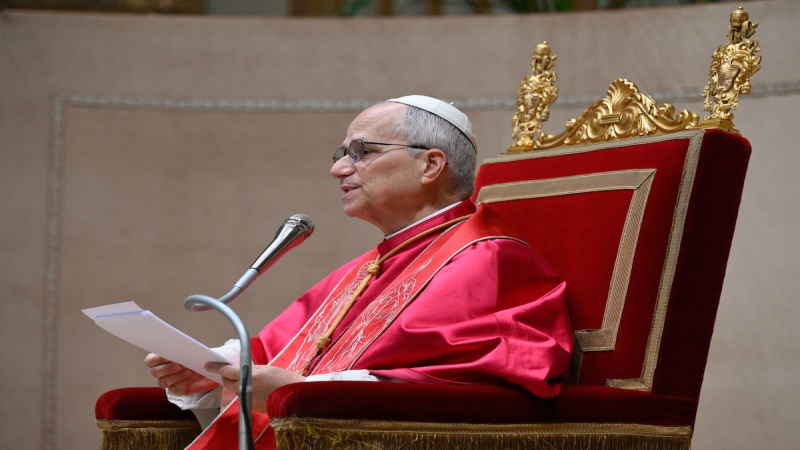
Pope Leo XIV has called on intelligence agencies to anchor their work in ethical responsibility, warning that the pursuit of security must never undermine human dignity or truth. Addressing senior figures from Italy’s intelligence services at the Vatican during the centenary of their institutional foundation, he reflected on how intelligence capabilities have expanded alongside technological change, increasing both their effectiveness and their moral weight. He described intelligence work as essential to preventing crises and protecting peace, while stressing that its discreet nature demands even stronger ethical discipline. According to the Pope, safeguarding the common good requires constant awareness of how surveillance and information gathering affect individual lives. He emphasized that intelligence activity must always be guided by law, proportionality, and respect for fundamental rights, including personal freedom and conscience, if public trust is to be preserved.
The Pope cautioned that secrecy, while necessary, can expose intelligence operations to misuse if not balanced by accountability and oversight. He warned against any temptation to bypass ethical limits during moments of urgency, noting that the effectiveness of security institutions depends on their moral credibility. Particular attention was given to the ethics of communication in a digital environment shaped by rapid information exchange. Pope Leo highlighted the risks posed by misinformation, manipulation, and the exploitation of data to intimidate or discredit individuals, including journalists and members of civil society. He stressed that confidential information must never be weaponized for political or institutional advantage. In this context, he underlined the importance of transparent governance and legal scrutiny, arguing that peace achieved at the cost of rights ultimately weakens the social fabric it seeks to protect.
Placing the issue within a broader global and ecclesial perspective, Pope Leo acknowledged that religious institutions themselves have, in some contexts, been subjected to improper intelligence activity that restricts their freedom. He urged intelligence professionals to cultivate what he described as high moral stature, combining technical competence with ethical discernment throughout their careers. The Pope also remembered those who have lost their lives in the course of sensitive missions, recognizing their contributions to stability and the prevention of conflict, even when their efforts remain unseen. Concluding his remarks, he expressed appreciation for the role intelligence services play in protecting the Vatican and supporting wider peace efforts, while reaffirming that lasting security depends on placing the dignity of the human person above all institutional or political objectives.