Pope’s Address on Financial Morality and Transparency
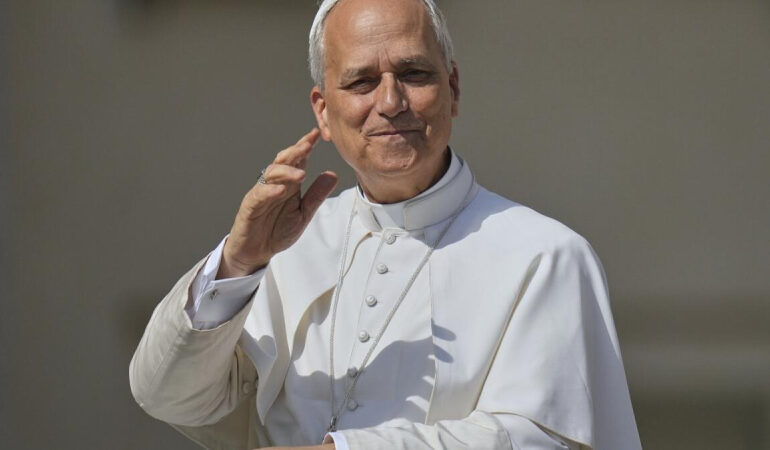

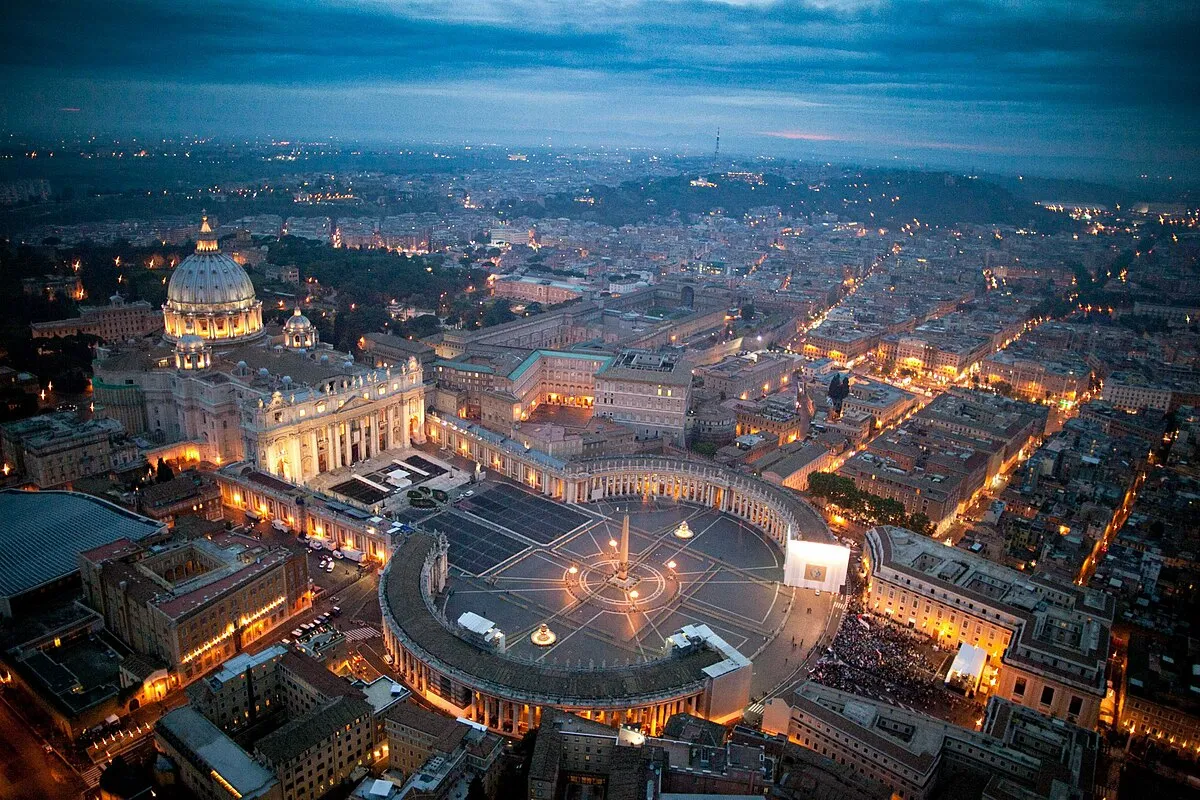
The global economy today operates at an extraordinary pace. Capital moves across borders in seconds, markets react instantly to news, and digital currencies redefine the concept of value. Yet behind this constant motion lies a fundamental question of morality. What purpose does finance serve, and how can it reflect justice, fairness, and human dignity? These were among the central themes of Pope Leo XIV’s recent address on financial morality and transparency, delivered to economic and religious leaders gathered at the Vatican.
In his remarks, the Pope called on both governments and private institutions to see finance not merely as an engine of profit but as a structure that should serve the common good. He reminded the audience that economic systems exist for people, not the other way around. The address came at a time when the world continues to grapple with economic instability, social inequality, and the growing dominance of financial systems disconnected from ethical responsibility.
The Moral Responsibility of Wealth
Pope Leo emphasized that financial success carries an inherent duty toward society. Wealth, he noted, must be used to create opportunity, not division. When the pursuit of profit becomes detached from moral values, it risks harming the very communities it should support. The Pope urged those in positions of financial power to examine not just the outcomes of their work but also the intentions that guide it.
He warned that unchecked speculation and manipulative practices can lead to the erosion of public trust and the marginalization of vulnerable populations. In this light, the Church continues to advocate for what it calls a moral economy, a system rooted in solidarity, sustainability, and respect for the human person. The Pope’s vision aligns with the long-standing teaching that the creation and use of wealth should contribute to human development, not inequality.
Financial institutions, he suggested, should commit to transparency not because it is fashionable, but because it reflects honesty, integrity, and respect for truth. Openness in transactions, fair lending practices, and responsible investment decisions are all expressions of moral accountability.
Transparency as a Foundation for Trust
Trust is the lifeblood of any financial system. Without it, economies falter and societies fracture. The Pope stressed that transparency is not only a technical requirement but a moral one. He called on policymakers to ensure that regulation and oversight go hand in hand with ethical education and cultural reform. Systems can be made transparent through law, but integrity must be cultivated within the human heart.
The Vatican itself has made significant progress in recent years toward financial transparency. Through reforms in governance, auditing, and accountability, it has sought to align its internal financial practices with the principles it promotes globally. The Pope acknowledged these efforts as an ongoing journey rather than a completed task, reinforcing that moral consistency must guide institutional as well as individual behavior.
The message also resonated with leaders in developing nations, where financial secrecy and corruption have often undermined social progress. The Pope noted that moral reform in global finance requires both technical capacity and moral courage, emphasizing the need for cooperation between faith communities, governments, and international organizations.
Building a Culture of Ethical Finance
Beyond institutions, the Pope focused on the cultural dimension of finance. He spoke about the need to nurture a sense of ethical awareness among future leaders in business and economics. Universities, seminaries, and professional schools were encouraged to integrate moral education into their financial training programs. The Church, he said, will continue to work with academic institutions to promote ethical formation in economic decision-making.
At the same time, he invited faith communities to reimagine their role as moral guides in the financial world. The aim is not to impose doctrine but to inspire reflection. Economic systems, like human societies, are built on trust, cooperation, and shared values. When these foundations weaken, prosperity becomes fragile. By renewing moral purpose, finance can once again become a means of service and solidarity.
Pope Leo also addressed the growing influence of new financial technologies, urging careful regulation that ensures innovation remains aligned with human values. While acknowledging the promise of digital finance and blockchain-based systems, he warned that such tools must not be allowed to deepen inequality or obscure accountability. The focus, he said, should remain on transparency, fairness, and the ethical use of technology for sustainable development.
The Road Ahead
The Pope’s call for financial morality is not a critique of wealth creation but an invitation to rediscover its purpose. His message reflects a broader concern within the Church that economic growth without ethical grounding cannot deliver lasting peace or justice. The moral reform of finance begins with recognizing that money, like power, is a means, not an end.
In closing, Pope Leo affirmed that faith and finance need not exist in separate worlds. When guided by conscience, economic systems can become instruments of inclusion rather than exploitation. This moral vision challenges both leaders and citizens to see finance as a sacred responsibility, one that demands transparency, compassion, and a deep commitment to the common good.