
Pope Leo’s Easter Message to the World
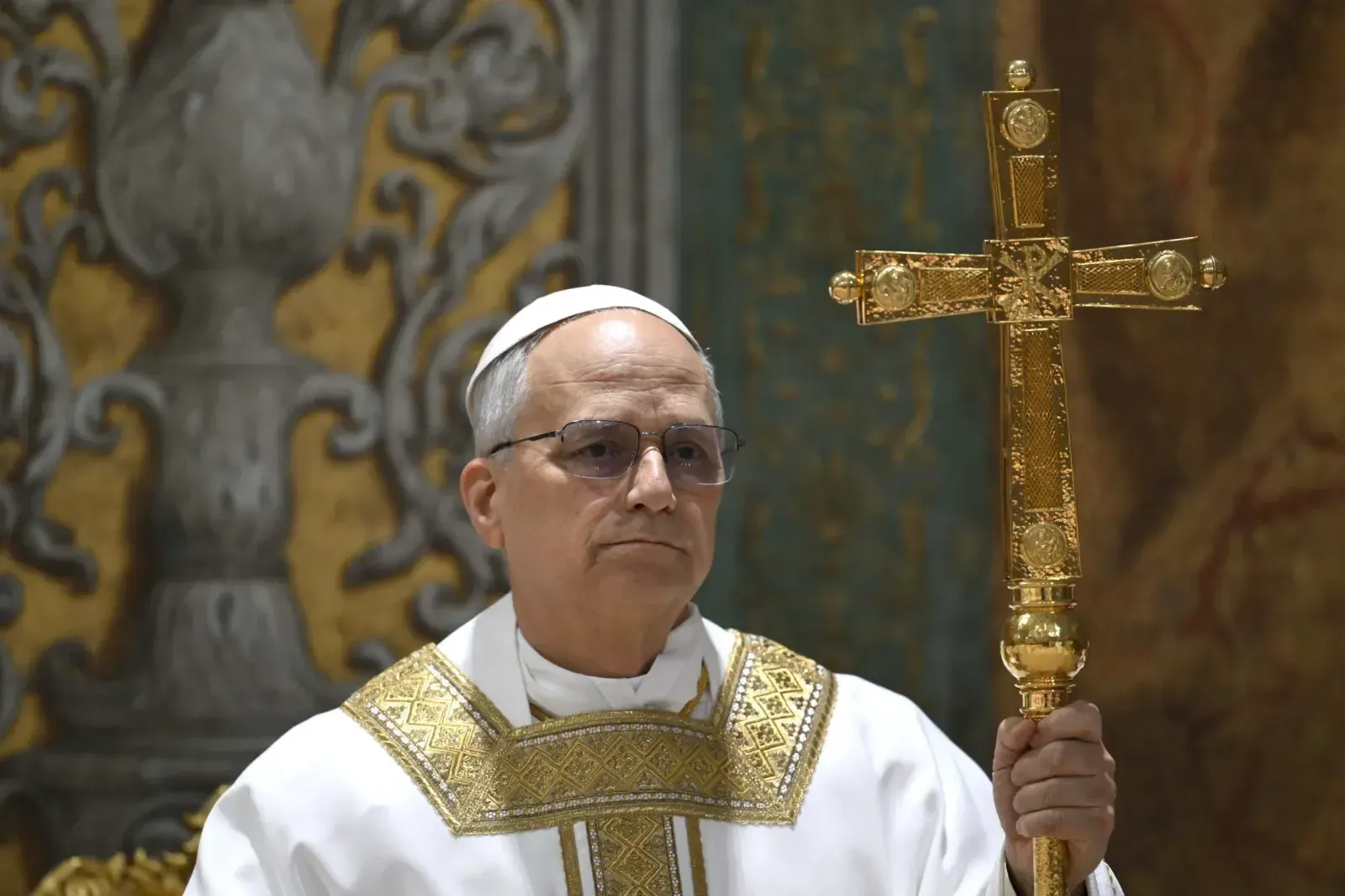
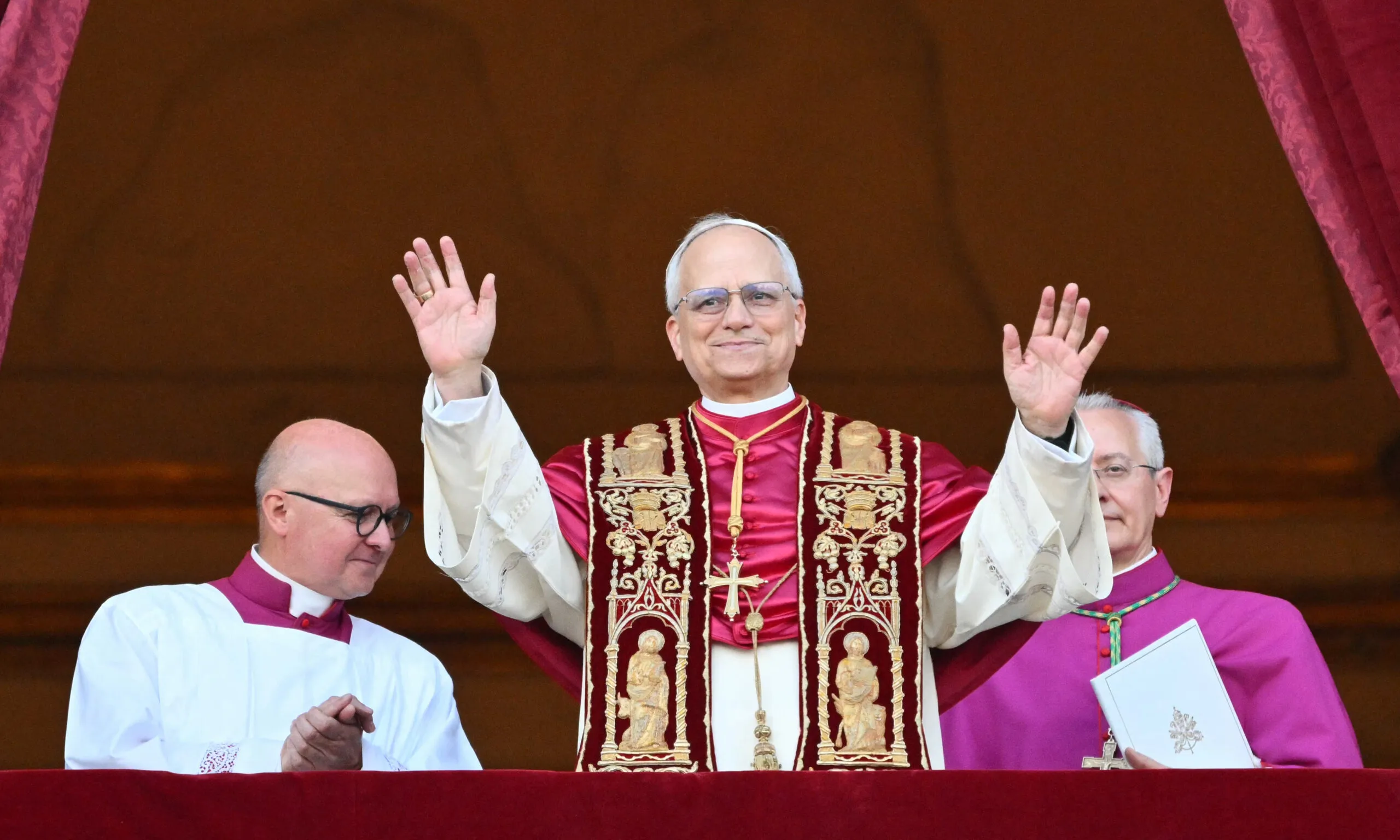
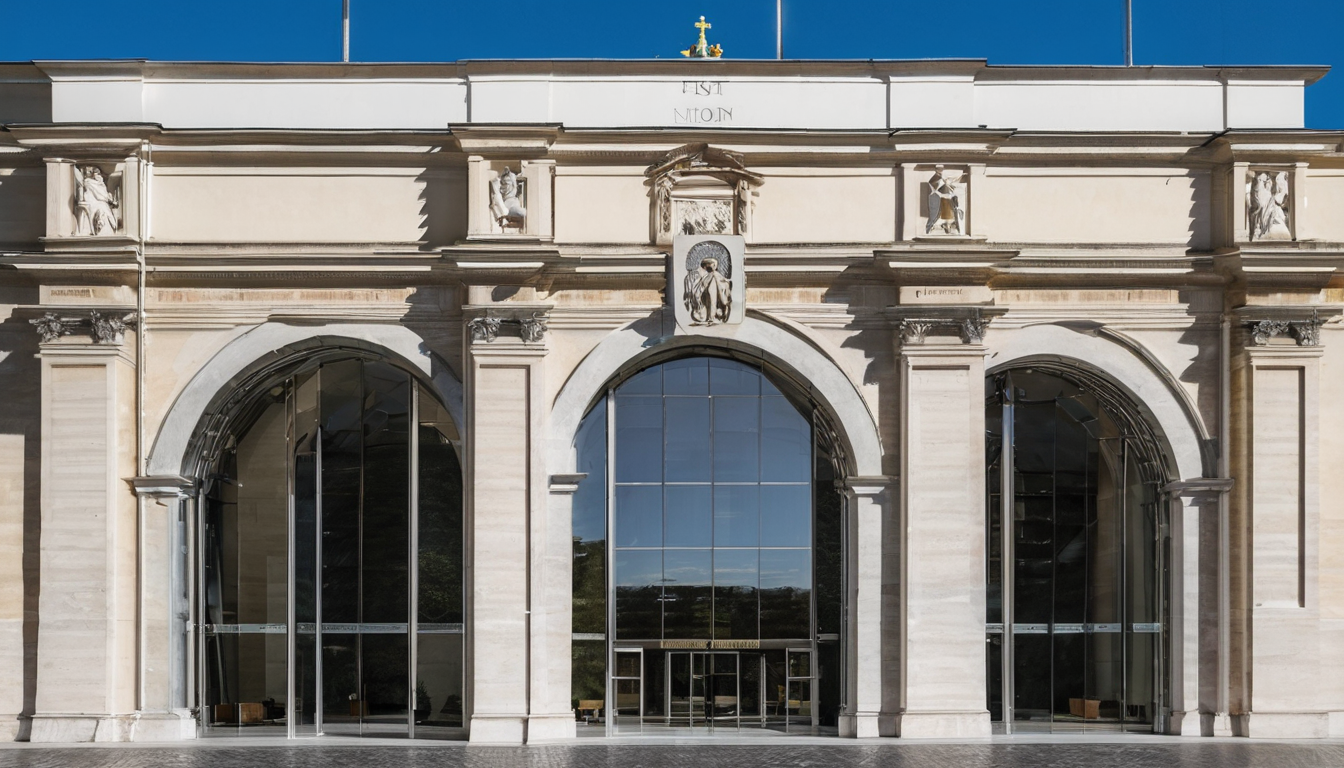
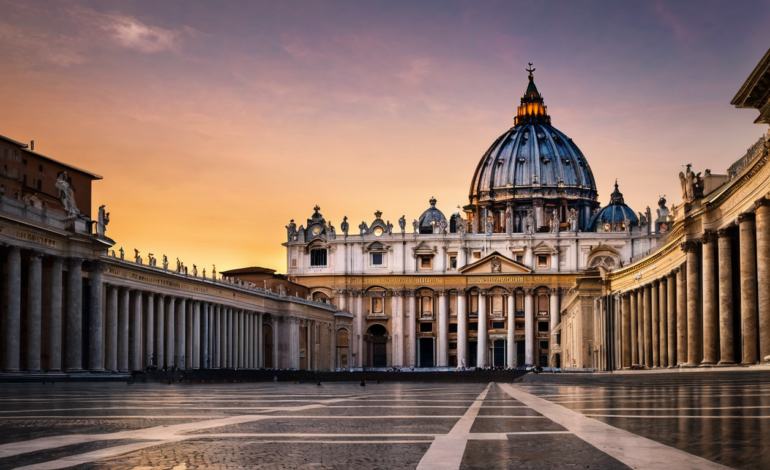
From the central loggia of St Peter’s Basilica, Pope Leo delivered his Urbi et Orbi blessing with a Pope Easter message that tied the Resurrection to a practical demand for peace where civilians are trapped by war. Today, he framed hope as a public duty, insisting that faith must translate into protection of life, respect for humanitarian corridors, and care for the displaced. In a Live atmosphere in the square and across global broadcasts, he spoke with a measured cadence, returning to the same insistence: suffering must not become normal. He avoided slogans, instead naming the moral cost of prolonged conflict and the responsibility of institutions to defend the vulnerable without delay.
Call for Weapons Down and Dialogue Open
In the sharpest lines of the address, the Pope directed a peace appeal at world leaders, urging them to lay down weapons and reopen channels that can stop escalation before it hardens into permanent hatred. The Vatican’s own Update on contacts and concerns remained diplomatic, but the message’s structure was unmistakably corrective: policy must be guided by the primacy of human life. He also stressed that negotiated outcomes require patience, verification, and safeguards for minorities, rather than triumphalist terms. As an aside that underlined how major stories compete for attention, a separate report on Enzo Fernandez’s suspension reshuffling Chelsea illustrated how quickly headlines rotate, while this appeal asked audiences to keep moral focus on the wars that do not pause for the news cycle.
Details of the Upcoming Prayer Vigil
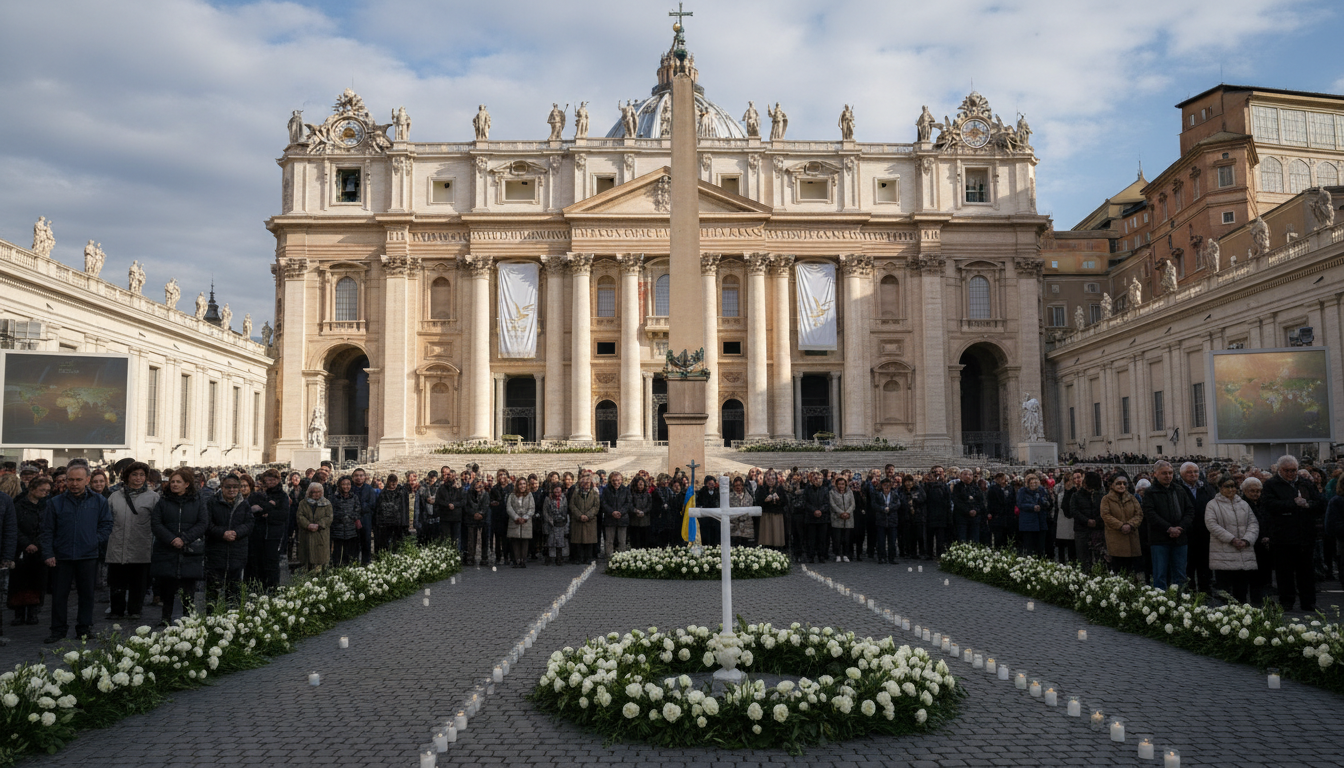
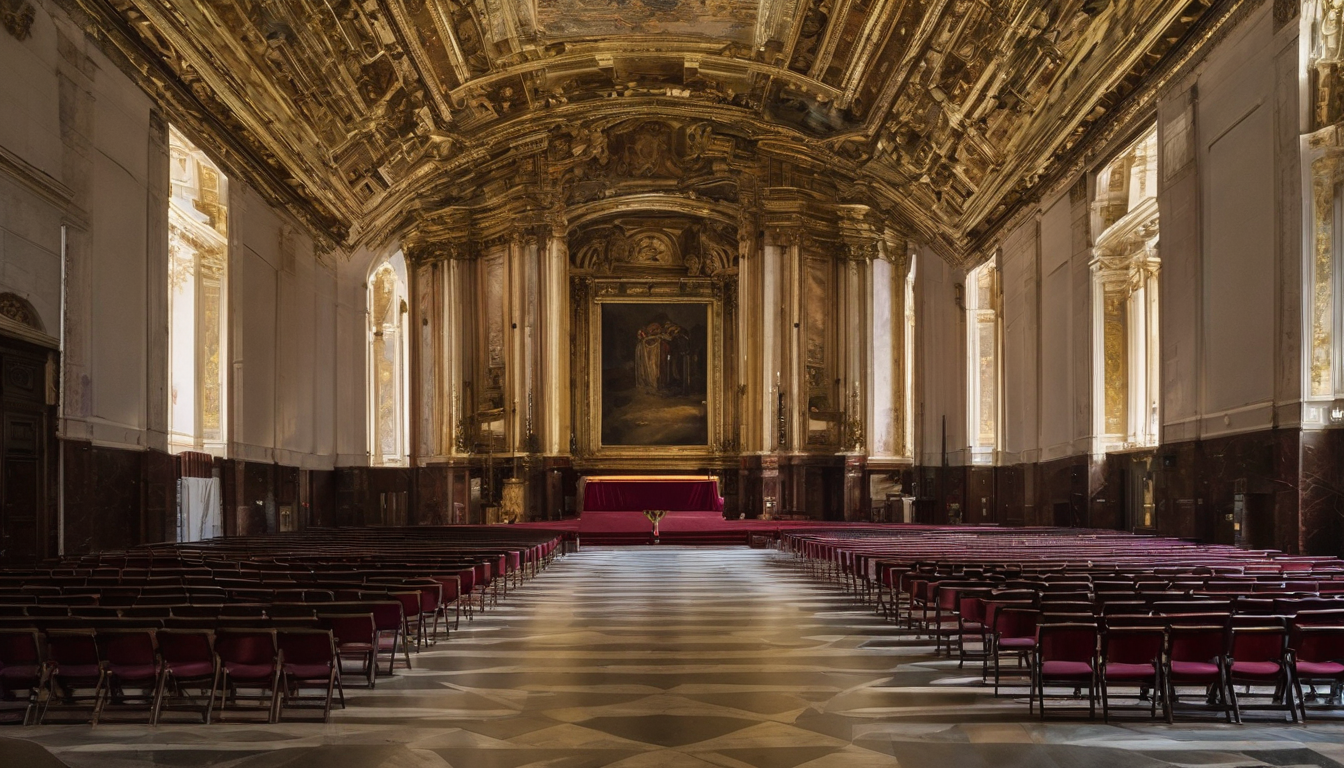
Vatican officials confirmed that the Easter vigil observances will be paired with a public prayer intention focused on reconciliation, with language aligned to the Pope’s call for de escalation and a return to dialogue. The Easter vigil will emphasize intercession for those in besieged areas, for prisoners, and for families separated by forced movement, while also highlighting the Church’s practical relief work coordinated through local dioceses. Today, organizers described a simple format that gives scripture primacy and avoids political grandstanding, yet it remains pointed in its insistence on conscience. A Live service does not change facts on the ground, but it can change the way communities support aid access, advocate for humanitarian norms, and resist the temptation to treat conflict as background noise.
Historical Context of Papal Peace Appeals
The Pope’s language sits in a long tradition of papal interventions that connect liturgical moments to urgent diplomacy, especially at Easter when the Church speaks most directly about life overcoming death. Rather than recycling earlier formulas, he leaned on a consistent Vatican method: name the human consequences, appeal to international law, and invite leaders to choose restraint publicly. A recent analysis of the Pope’s Easter message amid tensions noted how the Holy See tends to prioritize principles over partisan alignment, so its credibility rests on continuity more than novelty. The key Update in this year’s approach is the insistence that dialogue is not a reward for good behavior, but the minimum tool required to stop the killing and secure conditions for lasting guarantees.
The Global Role of the Vatican in Peace Efforts
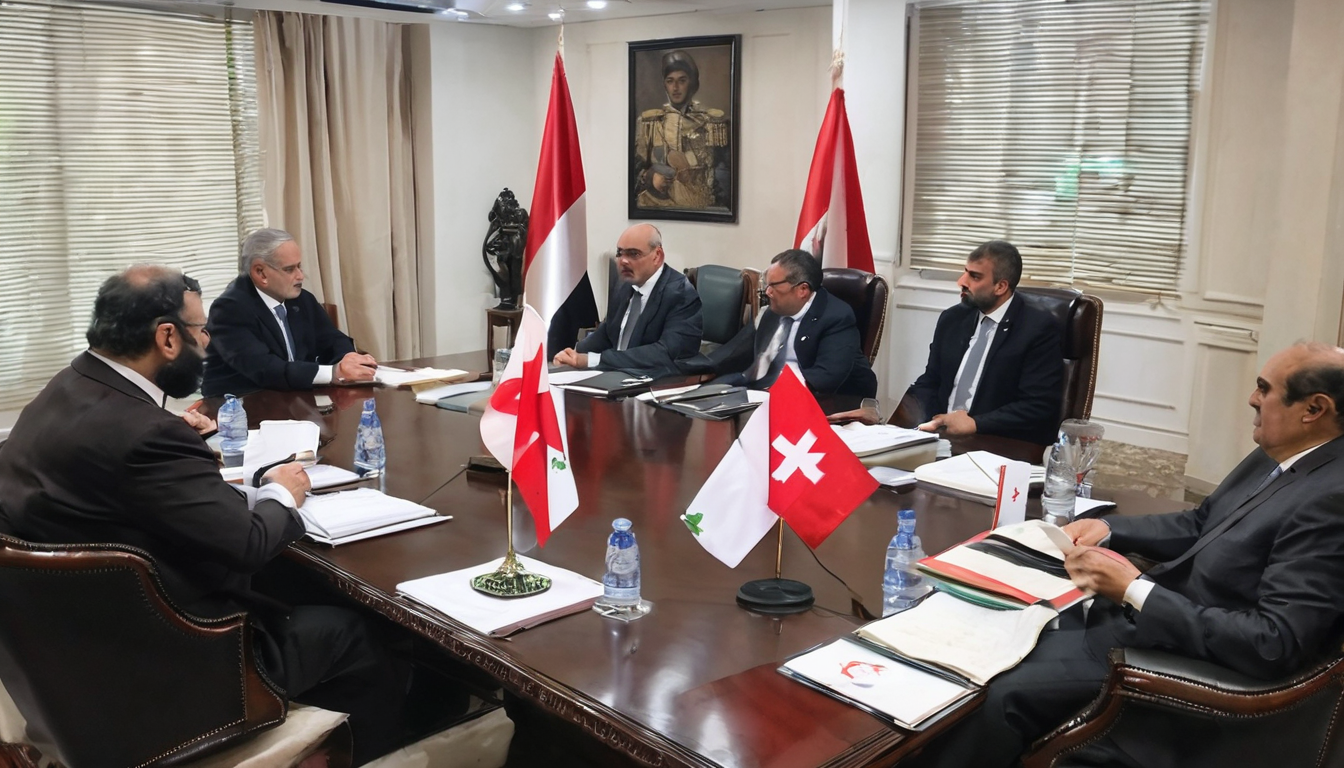
Behind the public address, the Vatican’s peace work functions through discreet channels, leveraging nuncios, episcopal conferences, and humanitarian partners to sustain contact even when formal diplomacy freezes. Reporting by Vatican News on the Urbi et Orbi appeal for weapons down and dialogue captured the Holy See’s intent to keep the moral frame steady while encouraging specific steps that reduce harm. A related briefing on Pope Leo XIV’s appeal amid the Iran conflict shows how the Vatican connects regional crises to the same ethical baseline: protect civilians, respect worship, and defend space for negotiation. In Live diplomatic terms, this means persistent engagement, careful wording, and support for mediators who can verify commitments on the ground.