
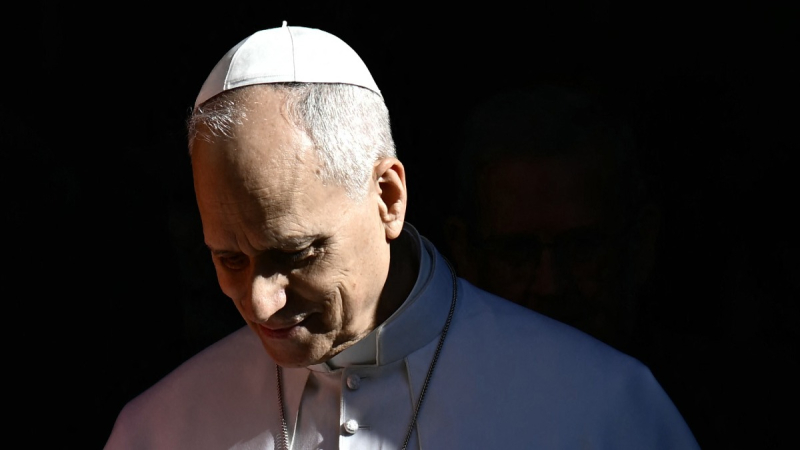
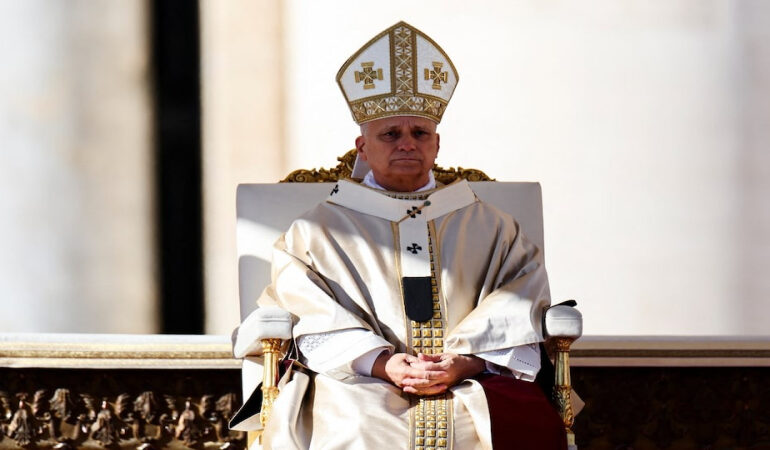

In the southern Lebanese town of Rmeich, anticipation surrounding the upcoming papal visit has taken on deep social and financial significance for local Christian families who have endured years of instability. The community, positioned between Israeli military posts and villages still marked by recent bombardments, views the visit as a rare moment of encouragement. Church leaders and residents say that the presence of the Pope could reinforce the long term prospects for Christian life in the region, especially as demographic shifts continue to erode Christian populations in the Middle East. Lebanon still has the largest Christian community in the region, but its size continues to shrink under economic pressure and persistent security concerns. For many families in Rmeich, attending the main Mass in Beirut represents not only a spiritual moment but also a signal of reassurance as they weigh whether to remain in the area or join the growing stream of emigrants searching for stability abroad.
The practical challenges facing Rmeich reveal how deeply conflict and economic deterioration have reshaped local life. Schools that once served both Christian and Muslim students have lost much of their enrollment as nearby villages were emptied, leaving institutions unable to generate sustainable tuition revenue. Agricultural activity has become heavily restricted, with residents unable to freely access olive groves and tobacco fields without security clearance from national forces and international peacekeepers. For farmers who have already lost multiple harvest seasons, the papal visit serves as a symbolic recognition of their resilience. Meanwhile, the damage to nearby churches illustrates the financial strain faced by religious institutions trying to preserve heritage sites without reliable funding. In Dardaghiya, the destruction of a parish hall that collapsed into the adjoining church has halted community worship entirely, leaving clergy to rely on temporary spaces while awaiting reconstruction support. Religious leaders say the broader region needs both renewed patience and tangible paths to recovery, and many believe that the Pope’s arrival could help draw international attention to the humanitarian and economic challenges shaping Christian life along the border.