
Quiet Renewal: Why the Global Church Is Prioritizing Formation Over Expansion
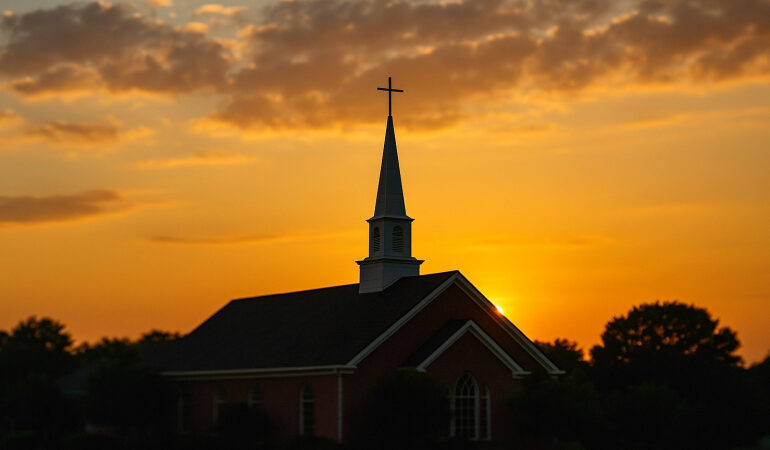

Across continents and cultures, the Catholic Church in 2026 is undergoing a recalibration that is more spiritual than structural. Rather than focusing on numerical growth or institutional visibility, Church leadership is increasingly directing its energy toward formation. This shift reflects a recognition that depth of faith now matters more than breadth of presence.
In a world shaped by rapid change, moral ambiguity, and digital saturation, the Church is responding not with expansionist ambition but with patient renewal. Formation of clergy, religious, and lay faithful is emerging as the cornerstone of sustainability, credibility, and mission in the years ahead.
Formation as the Foundation of Ecclesial Life
Formation has long been part of the Church’s life, but its renewed centrality in 2026 marks a significant change in emphasis. Seminaries, pastoral institutes, and parish programs are being reshaped to focus not only on knowledge but on discernment, character, and spiritual maturity.
This approach recognizes that faith is sustained through understanding and practice, not inheritance or habit. Well formed ministers and laity are better equipped to engage cultural complexity, ethical dilemmas, and pastoral challenges with confidence and humility. Formation is no longer treated as preparatory but as lifelong.
By prioritizing formation, the Church is investing in resilience. Communities rooted in understanding and prayer are more capable of withstanding social pressure and internal fragmentation than those built solely on numbers.
Moving Beyond Metrics of Growth
For much of the modern era, ecclesial success was often measured by attendance figures, institutional reach, or geographic expansion. In many regions, those metrics no longer reflect the realities of belief or commitment. The Church’s response has been to reconsider what growth truly means.
In 2026, growth is increasingly understood as interior rather than external. This includes deeper participation in sacramental life, stronger ethical formation, and greater engagement with Scripture and tradition. Such growth is less visible but more enduring.
This recalibration also guards against superficial expansion. Without formation, growth risks becoming hollow, leaving communities vulnerable to burnout, scandal, or disillusionment. The Church’s renewed focus seeks to build foundations before structures.
Strengthening the Role of the Laity
Lay formation has become a defining priority of this quiet renewal. As pastoral realities evolve, the Church increasingly depends on well prepared lay men and women to carry forward its mission in families, workplaces, and civic life.
Programs focused on theology, moral reasoning, and spiritual practice are expanding in dioceses worldwide. This reflects an understanding that the Church’s presence in society is mediated largely through the daily witness of its members.
Empowered laity do not replace ordained ministry but complement it. Formation equips lay faithful to act responsibly, avoiding both passivity and activism disconnected from ecclesial life. This balance strengthens unity and shared responsibility.
Formation in a Fragmented Culture
The cultural context of 2026 presents unique challenges. Rapid information flows, ideological polarization, and moral relativism place pressure on belief systems and identities. Formation offers a counterbalance by grounding individuals in tradition while encouraging thoughtful engagement.
Rather than retreating from the world, the Church’s formation focused approach prepares believers to navigate complexity without fear. It fosters dialogue rooted in conviction rather than reaction.
This strategy also reflects realism. In a fragmented culture, expansion without formation risks dilution. Renewal rooted in formation allows the Church to remain coherent while engaging diversity.
Conclusion
The Church’s turn toward formation over expansion in 2026 signals a mature understanding of renewal. By investing in depth, discernment, and lifelong learning, the global Church is choosing sustainability over spectacle. This quiet renewal may lack immediate visibility, but it lays the groundwork for a more resilient and credible witness in the world.