
Religious Freedom and the Church’s Growing Legal Challenges Worldwide
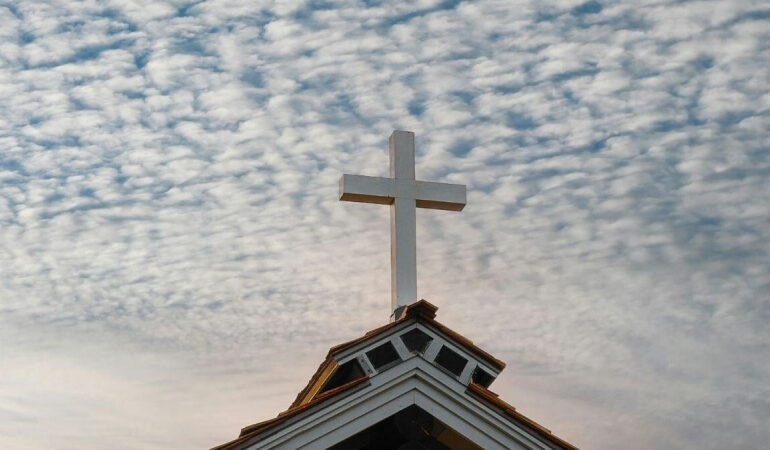

Across many regions, the Catholic Church is encountering an increasingly complex legal environment that affects how religious freedom is understood and practiced. Laws governing education, healthcare, speech, and institutional autonomy are evolving in ways that often place religious principles under legal scrutiny. These developments have raised important questions about the place of faith based institutions in modern legal systems.
For the Church, religious freedom is not limited to private belief. It includes the ability to live out faith publicly through service, teaching, and moral witness. As legal frameworks change, Church leaders and communities are navigating growing tension between civil authority and religious conviction. This reality has made legal engagement an essential part of protecting religious identity worldwide.
Religious Freedom as a Fundamental Human Right
The Church has consistently affirmed religious freedom as a core human right rooted in human dignity. This understanding goes beyond tolerance and emphasizes the freedom to act according to conscience. In many legal disputes, the Church’s position centers on the belief that faith cannot be confined solely to private life.
Legal challenges often arise when religious institutions operate schools, hospitals, or charities. In these contexts, faith based values can come into conflict with regulatory requirements. The Church’s response emphasizes that service to society should not require abandoning moral identity.
Expanding Legal Pressure on Faith Institutions
In several countries, laws affecting employment, education, and social services have increased pressure on religious organizations. These laws sometimes require compliance with standards that conflict with Church teaching. As a result, Catholic institutions face difficult decisions about how to remain faithful while operating within legal systems.
These pressures are not uniform worldwide. In some regions, legal systems remain supportive of religious autonomy. In others, secular frameworks increasingly define public life in ways that challenge faith based participation. This uneven landscape complicates the Church’s global response.
Courtrooms as New Arenas of Engagement
Legal challenges have brought the Church into courtrooms more frequently than in previous decades. These cases often focus on the balance between non discrimination laws and religious conscience. For the Church, legal defense is framed as a matter of protecting freedom rather than seeking privilege.
Engaging the legal system requires careful strategy. Church leaders emphasize respectful dialogue with civil authorities while asserting constitutional and human rights protections. This approach seeks to defend religious freedom without undermining social cohesion.
Impact on Local Catholic Communities
Legal challenges affect not only institutions but also local Catholic communities. Parish schools, charities, and healthcare providers may face operational uncertainty due to regulatory changes. This can create anxiety among those who depend on these services for education, care, and support.
At the community level, these challenges often strengthen awareness of religious freedom. Catholics become more conscious of how laws shape the practice of faith. This awareness has led to increased engagement with civic processes and public discussion about the role of religion in society.
Ethical Dimensions of Legal Conflict
Beyond legal arguments, these challenges raise ethical questions about pluralism and coexistence. How societies accommodate deeply held beliefs while respecting diversity remains unresolved. The Church argues that true pluralism allows religious perspectives to contribute openly to public life.
Ethically, the issue is not dominance but participation. When legal systems exclude religious voices, public discourse becomes narrower. The Church’s engagement highlights the ethical importance of protecting space for conscience in democratic societies.
Conclusion
The Church’s growing legal challenges reflect broader debates about religious freedom in a changing world. As laws evolve, the Church continues to assert that faith based institutions play a vital role in serving society without surrendering moral identity. Navigating these challenges requires legal engagement, ethical clarity, and commitment to dialogue. The outcome will shape not only the Church’s future, but also how societies balance freedom, belief, and public life.