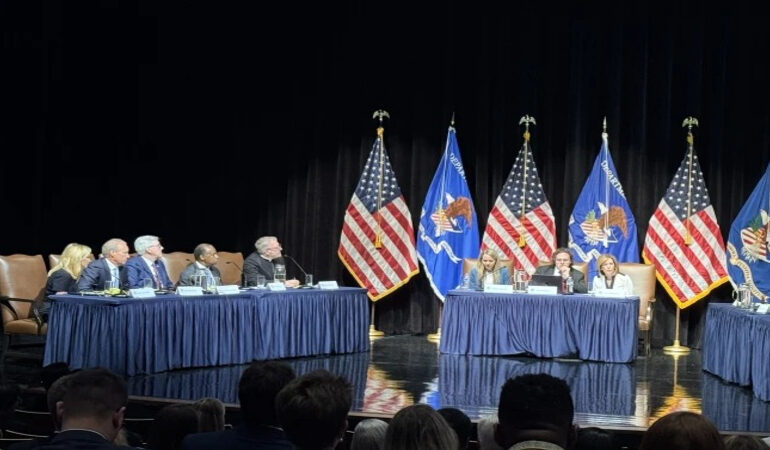

The U.S. Religious Liberty Commission convened its fourth hearing on December 10, focusing on reports of restrictions against religious expression in the military. Testimonies highlighted challenges faced by servicemembers, particularly chaplains, whose traditional roles in spiritual guidance and moral instruction have been curtailed in recent years. Retired Army chaplain Major General Doug Carver recalled that since 1775, religious support has been integral to the military, providing moral grounding for those defending the nation. Recent practices, including changes to training and the removal of religious references in various programs, have prompted concern among advocates. Observers emphasized that these limitations not only affect the spiritual wellbeing of military personnel but also intersect with broader questions about the preservation of religious freedom and the role of faith in national service and public life.
Analysts and commission members noted historical patterns showing the importance of chaplaincy for both morale and ethical development. Historian David Barton recounted how policies in recent administrations have reduced chaplain engagement, limiting opportunities for instruction in religiously-informed principles, including just war theory. Witnesses described how chaplains have been reassigned to roles emphasizing general wellness or crisis management, rather than spiritual leadership. Marine veteran Mike Berry highlighted instances where religious convictions affected eligibility for military benefits, including the impact of mandatory vaccination policies. He argued that respect for religious liberty is essential to maintain enlistment, morale, and the ethical foundation of military service, framing it as a matter of both individual conscience and national security.
Commission members, including Bishop Robert Barron, emphasized that education and training regarding religious freedom are critical to restoring balance. Proposals included integrating constitutional principles of religious liberty into military instruction and reviewing materials that may inadvertently suppress faith-based practices. Witnesses asserted that the preservation of religious liberty strengthens moral character and resilience among servicemembers. The hearings underscored a broader concern about maintaining ethical and spiritual standards within institutions tasked with defending national security. By documenting these challenges, the commission seeks to inform policy decisions that safeguard faith expression while ensuring operational readiness, reflecting the Catholic Church’s longstanding advocacy for religious freedom and moral integrity in both civic and institutional contexts.