Religious Symbols Found in Cartel Leader’s Hideout Raise Questions About Faith and Violence in Mexico
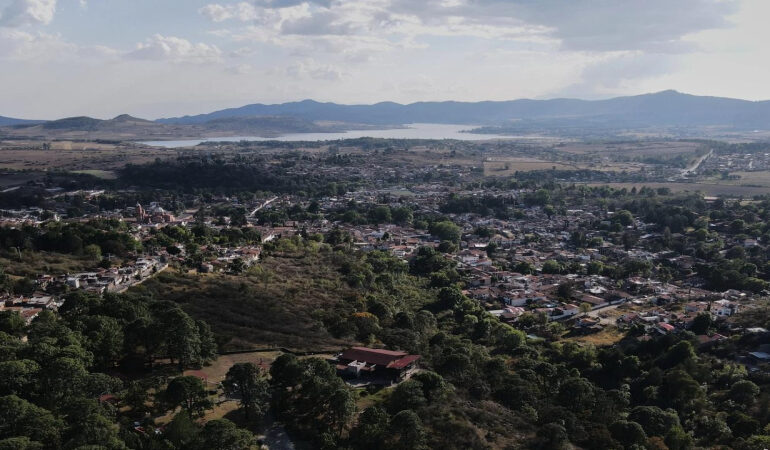

After Mexican authorities confirmed the death of Nemesio Oseguera Cervantes, known as El Mencho, images from his final hideout in Jalisco have revealed an unexpected presence of Catholic religious symbols, sparking renewed reflection on the complex relationship between faith and organized crime in Mexico.
Mexican special forces surrounded and captured the longtime leader of the Jalisco New Generation Cartel following a firefight near Tapalpa. Authorities reported that he died while being transported to a hospital. Inside the residence where he had taken refuge, investigators and local media documented religious items including a crucifix, candles bearing images of saints, and figurines of Our Lady of Guadalupe, Saint Jude Thaddeus, and Saint Charbel Makhlouf.
In the backyard, images of the Virgin Mary and Saint Jude were carved into large stones. Photographs also showed a handwritten copy of Psalm 91, a biblical text frequently invoked by believers seeking protection in times of danger. Letters found in the house reportedly addressed Oseguera Cervantes in familiar terms and referenced Saint Jude, a figure widely venerated in Mexico, particularly among people facing desperate or difficult circumstances.
Scholars who study religion and violence in Mexico say such findings are not unusual. Fabián Acosta Rico of the University of Guadalajara noted that religious symbolism has long appeared in the culture of criminal organizations. He described this phenomenon not as deep theological devotion but as a form of popular religiosity rooted in immediate needs, fear, and the search for protection.
Mexico remains a predominantly Catholic country, and religious imagery permeates many aspects of social life. Over the years, other figures linked to drug trafficking have publicly displayed devotion to traditional Catholic saints. At the same time, some have been associated with folk religious practices that blend Catholic elements with other cultural influences.
The Catholic Bishops Conference of Mexico has previously spoken out against the misuse of religious symbols by criminal groups. Church leaders have clarified that violence and organized crime stand in direct contradiction to Catholic teaching. The bishops have also distanced the Church from devotions that distort Christian doctrine, including the cult of Santa Muerte, which is not recognized by the Catholic Church.
Observers say the presence of crucifixes and saints in the hideout does not imply ecclesial endorsement but reflects the broader reality of religious freedom in Mexico, where individuals may adopt symbols and practices in personal or cultural ways. Analysts argue that this blending of faith language and criminal life reveals deeper social tensions, including poverty, insecurity, and the search for meaning amid violence.
The discovery inside El Mencho’s final refuge highlights the enduring visibility of Catholic imagery in Mexican society, even in contexts marked by crime and bloodshed. It also underscores the continuing challenge for the Church to witness clearly to a faith that upholds human dignity and rejects violence.