

Religious Symbols Found in Hideout of Mexican Cartel Leader Spark Debate on Faith and Violence
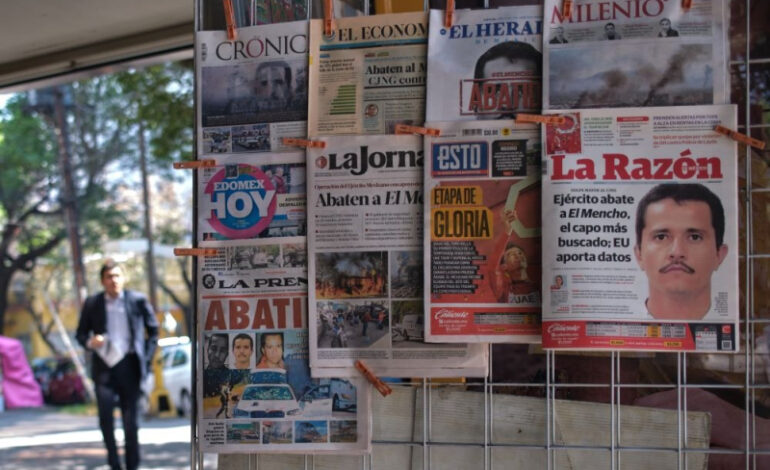

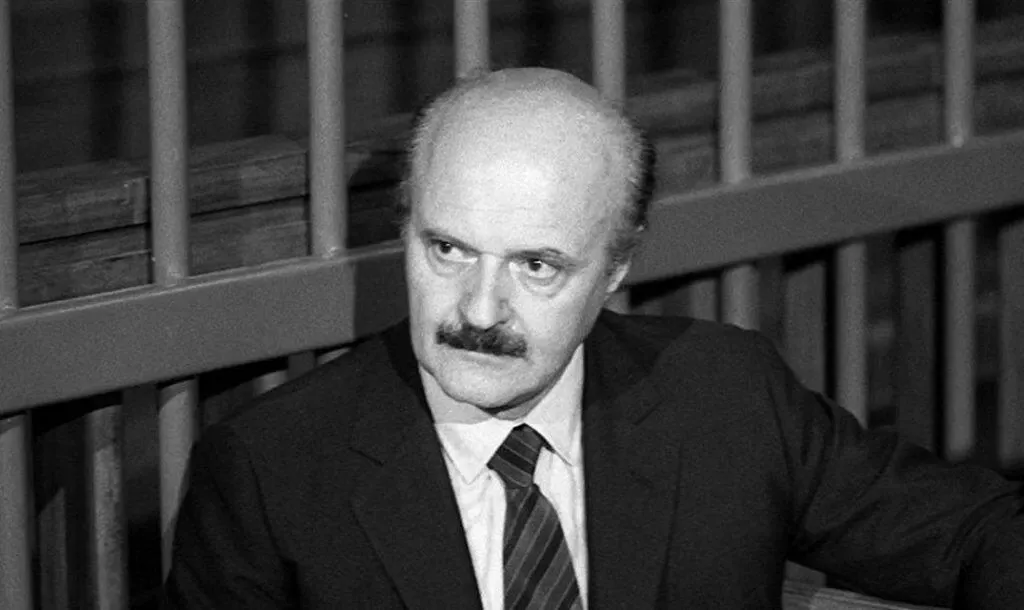
The discovery of religious objects inside the final hideout of Nemesio Oseguera Cervantes, known as El Mencho, has reignited debate in Mexico about the complex relationship between faith and organized crime. The leader of the Jalisco New Generation Cartel was killed on February 22 following a military operation in Jalisco state, according to Mexican authorities.
After security forces secured the property in a residential area near Tapalpa, images circulated in local media showed a home containing multiple Catholic devotional items. Among them were a crucifix, figurines of Our Lady of Guadalupe, St. Jude Thaddeus, and St. Charbel Makhlouf, along with votive candles bearing images of saints. A handwritten copy of Psalm 91, a biblical passage traditionally associated with divine protection, was also reportedly found inside the residence.
In the backyard, carvings of the Virgin Mary and St. Jude appeared etched into large stones. Letters addressed to Oseguera Cervantes were discovered, some referencing St. Jude, a saint who in Mexico is widely venerated as a patron of desperate causes and has also become associated in popular culture with marginalized communities.
Oseguera Cervantes led one of Mexico’s most powerful criminal organizations for nearly two decades. The Jalisco New Generation Cartel expanded rapidly and was linked to numerous violent incidents. Despite his prominence in organized crime, little was publicly known about his personal life.
Scholars who study religion and criminal culture note that the presence of devotional items among cartel figures is not unprecedented. Fabián Acosta Rico, a researcher at the University of Guadalajara and the Center of Religious Studies in Mexico, has explained that such displays often reflect what he describes as popular religiousness. In this form of devotion, religious symbols are invoked for immediate protection or security rather than theological reflection.
Mexico remains a predominantly Catholic country, and religious imagery is deeply embedded in social life. Over the years, several high profile drug traffickers have been linked to visible expressions of faith. Items such as scapulars, saint medals, and small home altars have appeared in previous investigations involving criminal leaders.
The Catholic Bishops Conference of Mexico has previously distanced the Church from the misuse of religious symbols by criminal groups. Church officials have also rejected the Santa Muerte cult, which blends pre Hispanic and Catholic elements and is not recognized by the Roman Catholic Church.
Observers note that in a context of religious freedom, the institutional Church has limited authority over how individuals use religious imagery. The coexistence of devotion and criminal activity raises ongoing ethical and cultural questions about how faith is interpreted in different social realities.
The discovery in Jalisco highlights a broader phenomenon in Latin America where expressions of belief can intersect with violence, reflecting complex layers of identity, culture, and spirituality within contemporary society.