


Retired Albany Bishop Files for Personal Bankruptcy After Pension Ruling
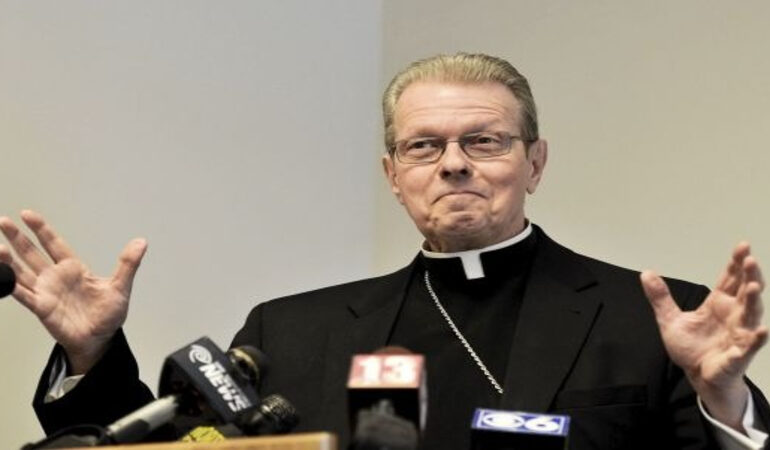

A retired Catholic bishop in the United States has filed for personal bankruptcy following a civil court ruling that found him partially liable in the collapse of a hospital pension fund that left more than a thousand retirees without expected benefits. Bishop Edward Scharfenberger, who served as bishop of Albany from 2014 until his retirement earlier this year, submitted a Chapter 13 bankruptcy filing in federal court in New York. The filing comes days after a state jury found him ten percent responsible in a multimillion dollar judgment connected to the failed pension plan of St Clare’s Hospital in Schenectady, which closed in 2008. The pension collapse affected approximately 1,100 former hospital employees who were relying on lifetime monthly payments. The bankruptcy filing lists debts in excess of one million dollars and a large number of creditors, while asset details were not publicly disclosed.
The jury verdict, issued in mid December, assigned liability to multiple parties linked to the hospital’s governance and administration, while determining that the Diocese of Albany itself bore no legal responsibility. The judgment addressed compensatory damages related to financial harm suffered by retirees, with the possibility of additional punitive damages still unresolved. The bankruptcy filings by Scharfenberger and another defendant triggered a pause in proceedings related to punitive damages. During testimony earlier in the trial, Scharfenberger stated that pension matters were never discussed during his participation on boards connected to the hospital. Church officials have maintained that the diocese exercised only canonical oversight of the hospital and did not control its financial operations. The hospital pension plan, which operated for decades under a religious exemption from federal pension regulations, developed a significant funding shortfall before being terminated in 2019.
The case has drawn wider attention because personal bankruptcy filings by individual bishops are highly unusual, even as diocesan bankruptcies have become more common in recent decades. Scharfenberger’s filing differs from diocesan Chapter 11 proceedings, as it involves an individual repayment plan based on personal income rather than institutional restructuring. Legal experts note that such filings do not automatically resolve all financial obligations and may face challenges from creditors. Church leaders in Albany have expressed concern for affected retirees while emphasizing the limits imposed by ongoing bankruptcy processes. The pension fund failure remains a sensitive issue within the local Catholic community, touching on questions of accountability, governance, and care for long serving employees. As the legal process continues, the case stands as a rare intersection of personal liability, Church affiliated institutions, and long running disputes over financial stewardship and justice for retirees.